Why Trout Follow But Don’t Bite (And How to Fix It)
When trout follow but don’t bite, it’s usually because speed, fall rate, movement, or visibility doesn’t match real water conditions.
(And How to Fix It)
Trout following your lure without striking is one of the most common and misunderstood problems in fishing. It is not random. A trout that follows your bait has already seen it, tracked it, and shown interest. That means one thing: you are close — but one key variable is wrong. Understanding what caused the rejection is what turns occasional interest into consistent strikes.
This guide is part of a complete trout fishing system that breaks down how visibility, fall rate, movement, and material affect strike behavior. → Start with the complete trout fishing system
What a Trout Following Actually Means
A following trout is not a failure — it is feedback. Different types of follows indicate different problems.
- Slow Follow (Inspection Behavior): The trout is tracking carefully without committing. Usually points to excessive or unnatural movement, incorrect profile or size, or material that does not collapse naturally.
- Fast Chase Without Strike (Trigger Failure): The trout reacts aggressively but does not commit. Common causes: retrieve speed too fast, bait exits strike zone too quickly, fall rate is unnatural.
- Last-Second Turn Away (Rejection): The most important signal. Usually indicates unnatural movement, incorrect contrast or visibility, or bait that feels wrong (material issue).
Why Trout Follow But Don’t Bite (The Real Causes)
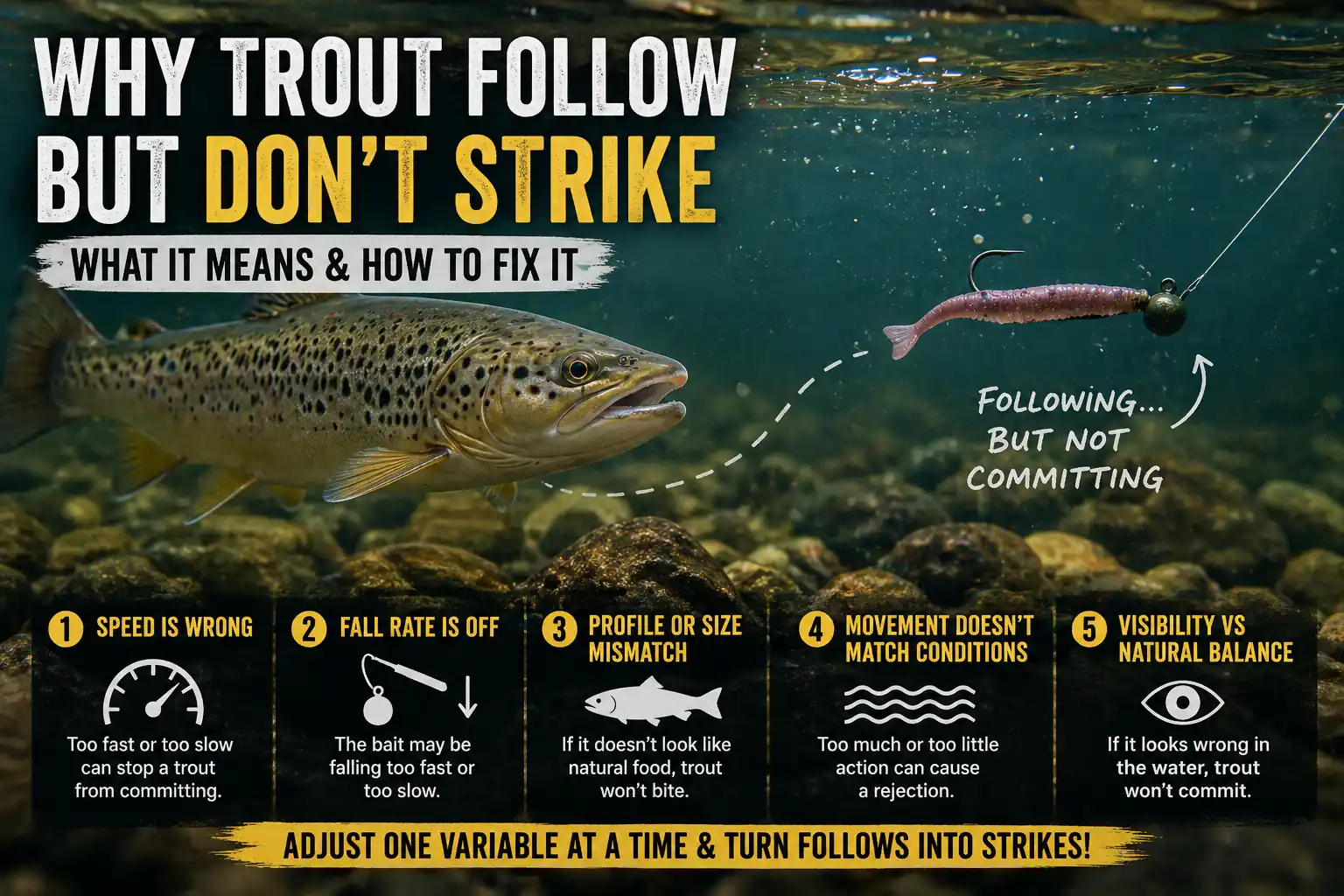
When trout follow but don’t bite, it usually means the fish is interested but detects something unnatural in the presentation. Every missed strike comes back to one of these variables. → See how all variables work together in the complete trout fishing guide
1. Speed Is Wrong
Trout are extremely sensitive to speed. Too fast: looks unnatural, fish cannot commit. Too slow: fails to trigger a response. In pressured water, slower presentations often work — but only if they still maintain a trigger. → For a full breakdown of retrieve control, see: How Retrieve Speed Changes Trout Behavior
2. Fall Rate Is Off
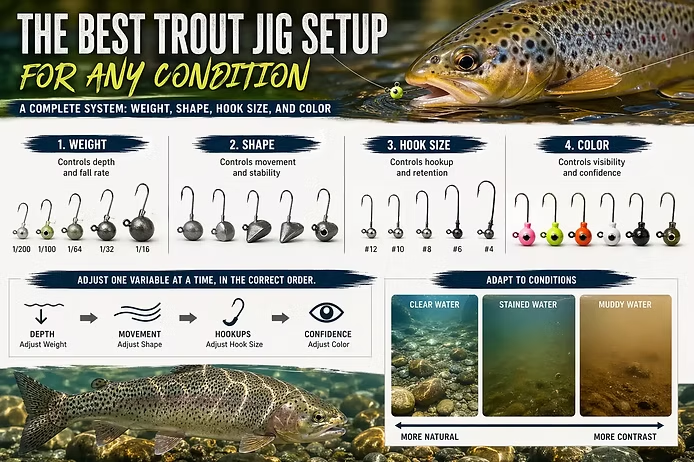
Fall rate controls how long your bait stays in the strike zone. If your bait falls too fast → trout follow but lose interest. If too slow → never reaches feeding depth. Many trout follow but refuse when the drop looks unnatural or the bait exits their zone too quickly. → Learn how to balance this correctly: How to Choose Jig Head Weight for Trout
3. Profile or Size Mismatch
Trout are highly sensitive to size and shape. Common issues: bait is too large, silhouette does not match natural food, profile looks unnatural. Smaller, simpler profiles consistently convert more follows into strikes. → See: Best Trout Worm Sizes (When Size Matters)
4. Movement Doesn’t Match Conditions
Movement must match water conditions and fishing pressure. Too much movement spooks fish in clear or pressured water. Too little fails to trigger aggressive trout. Cold water → subtle movement (marabou excels). Active feeding → more defined motion works. → For comparison: When to Use Marabou vs Soft Plastics
5. Visibility vs Natural Balance Is Wrong
Trout must both see and accept the bait. If a trout follows but doesn’t strike: visibility is sufficient but something appears unnatural. Color too bold in clear water, contrast too weak in stained water, or visibility does not match depth or light conditions. → See: How Water Clarity Changes Trout Vision
Why Material Matters More Than Most Anglers Realize
Even when everything else is correct, trout may still reject a bait if it feels wrong. Material affects collapse rate during the bite, hook exposure, and realism of movement. Softer plastics collapse more naturally and improve strike-to-hookup conversion. Firmer plastics reduce natural movement and increase rejection rates — often the difference between repeated follows and consistent hookups. → See: How Softness Affects Hookup Ratio
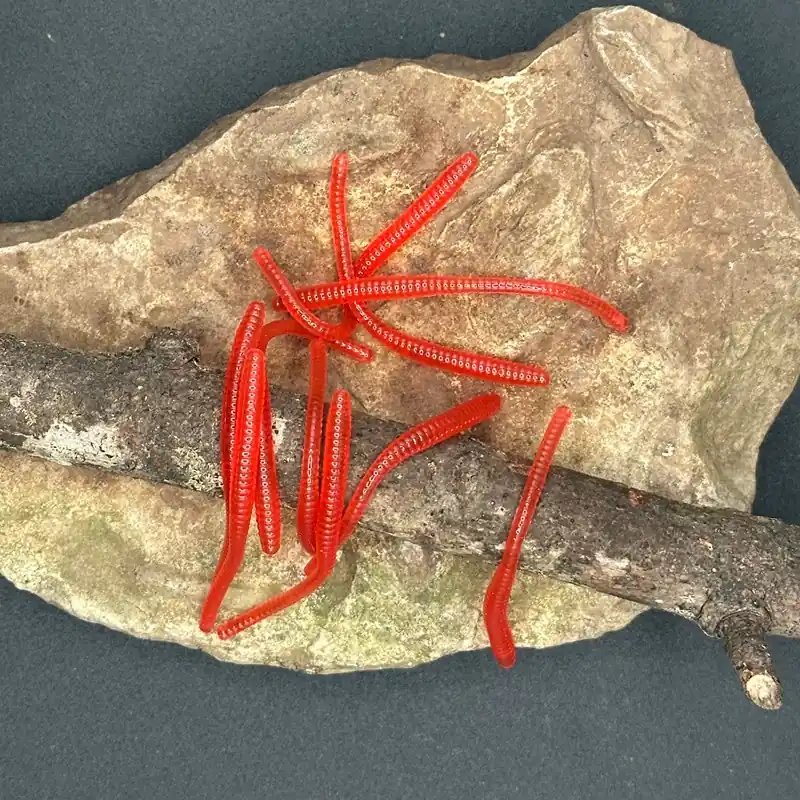
This is exactly why we designed the Ribbed Trout Worm around a softer material: it collapses naturally on the bite instead of fighting the strike, turning more of those follow-but-don’t-bite moments into solid hookups.
How to Fix It (Step-by-Step)
Instead of changing everything at once, adjust one variable at a time.
- Step 1 — Identify the Type of Follow: Slow inspection → reduce movement and simplify profile. Aggressive chase → adjust speed or fall rate. Last-second refusal → adjust material or contrast.
- Step 2 — Adjust Fall Rate First: This fixes more problems than color changes. Use lighter jig heads to slow the drop. Keep the bait in the strike zone longer.
- Step 3 — Reduce Profile: If trout hesitate, downsize your bait and simplify shape. Smaller baits are easier for trout to commit to.
- Step 4 — Match Movement to Conditions: Pressured/clear water → subtle, natural movement. Active fish → slightly increased motion. Avoid overworking the bait.
- Step 5 — Fine-Tune Visibility: Clear water → natural, translucent tones. Stained water → stronger contrast. Avoid extremes unless conditions demand it.
The Real Pattern Behind Missed Strikes
Most anglers respond to missed strikes by changing color. That is usually the wrong adjustment. In most cases: missed strikes are caused by fall rate, movement, or material — not color.
Final Breakdown
If trout are following but not striking: you are in the correct location, using a relevant bait, and are close to the correct presentation. The issue is almost always fall rate, speed, profile, movement, or material. Fix those and follows turn into strikes.
Understanding why trout follow but don’t bite comes down to identifying which variable is off — speed, fall rate, movement, or visibility. To understand how these adjustments fit into the full approach, see the → complete trout fishing system
Frequently Asked Questions About Trout Following But Not Biting
Is it bad if a trout follows my bait but doesn’t strike?
No — it’s useful information. A following trout has already seen, tracked, and shown interest in your bait. That means you’re close on most variables and only one thing is wrong, not everything.
What’s the most common reason trout follow but don’t bite?
Fall rate and speed cause more missed strikes than color does. If the bait falls too fast, trout lose interest before committing. If it falls too slow, it never reaches feeding depth. Adjusting fall rate — often just switching to a lighter jig head — fixes more follow-refusal problems than any color change.
How do I know if the problem is speed or profile?
Watch how the trout follows. A slow, careful follow usually points to excessive movement or the wrong profile. A fast chase with no commitment usually means retrieve speed or fall rate is off. A last-second turn-away usually means material or contrast is wrong.
Does bait material really affect whether a trout strikes?
Yes. Even when speed, fall rate, and profile are right, a bait that feels wrong on the take gets rejected. Softer plastics collapse naturally during the bite and convert more follows into solid hookups; firmer plastics resist that natural collapse and increase rejection.
Should I change lure color if trout keep following without biting?
Usually not first. Color is the adjustment most anglers reach for, but it’s rarely the actual cause. Work through fall rate, profile, and movement before changing color.
Summary
A trout following your bait is not a missed opportunity — it is a diagnostic signal. It tells you what is working and what needs adjustment. When you identify and correct the mismatch, consistent strikes replace inconsistent follows.
Recommended Next Reads
- How to Choose Jig Head Weight for Trout
- How Water Clarity Changes Trout Vision
- How Softness Affects Hookup Ratio
- When to Use Marabou vs Soft Plastics
- How Retrieve Speed Changes Trout Behavior