Why Marabou Jigs for Trout Are Deadly (Cold Water & Pressured Fish Guide)
When trout get cold, pressured, and selective, most anglers downsize their soft plastics and slow everything down. But in clear water and tough conditions, marabou jigs for trout often outproduce plastics—not because they’re old-school, but because they solve a specific problem trout create. Marabou moves without force. It breathes without speed. And it draws strikes when trout refuse everything else. Here’s why.
Why Marabou Works in Cold Water
Many anglers discover that marabou jigs for trout continue producing bites long after soft plastics stop getting attention. Below about 50°F, soft plastics stiffen and lose flexibility, so they need more rod input to look alive. Marabou doesn’t. Its fibers stay soft and reactive even in winter, and every micro-current pulse makes them expand and contract on their own. For a cold, sluggish trout, that’s the difference between a lure that looks alive on a dead drift and one that looks like a piece of rubber.
That’s why feather jigs shine in winter tailwaters, early-spring stocking situations, cold clear creeks, and slow reservoirs. When trout are neutral or negative, movement without speed wins.
Pressured Trout Strike Subtle Movement
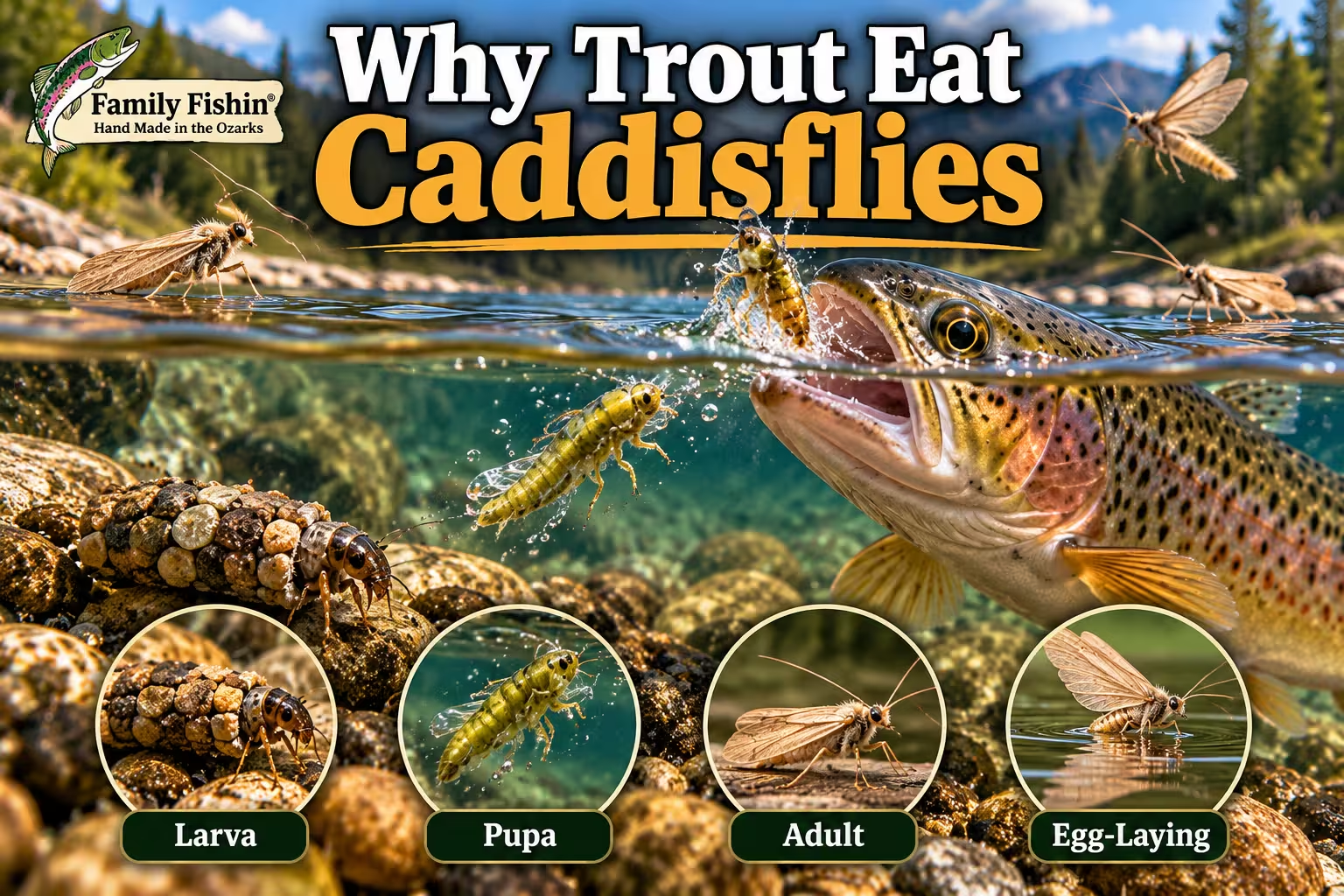
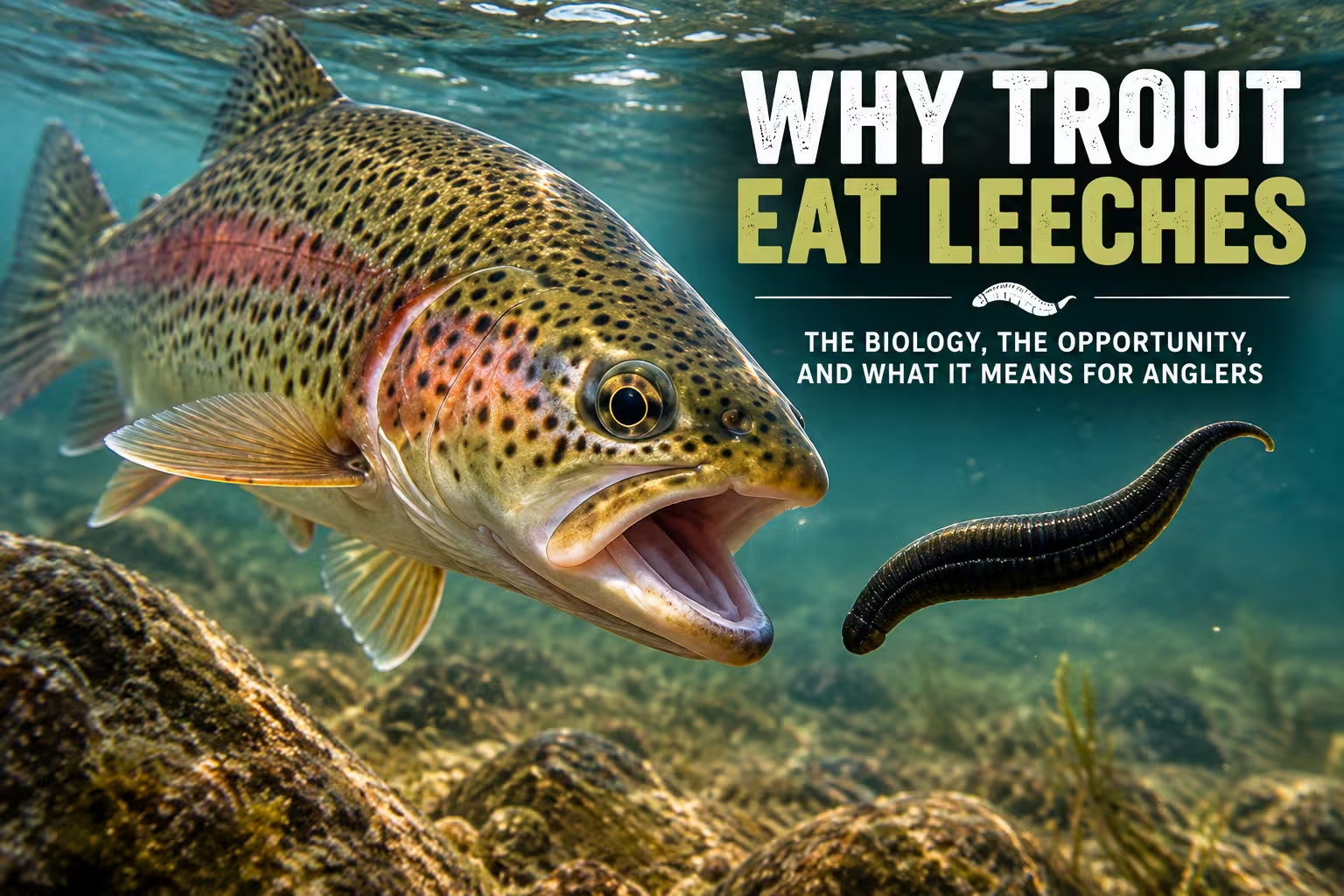
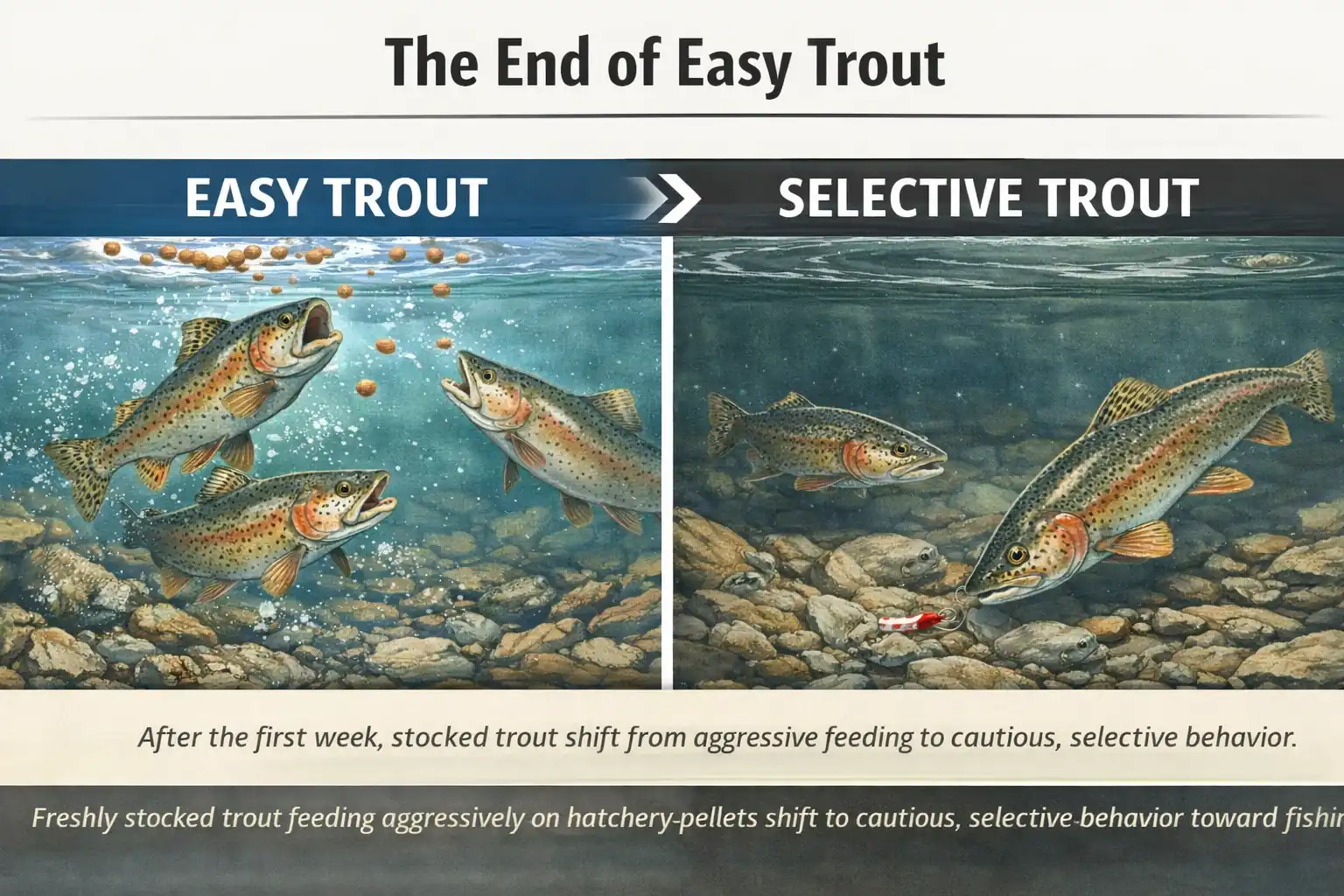
Heavily pressured trout learn fast. They’ve seen hard plastic outlines, aggressive vibration, and flash-heavy presentations — and they start refusing them. Marabou shows them something different: a soft, breathing silhouette instead of a rigid shape. It imitates small baitfish, aquatic insects, leeches, fry, and the micro-prey trout eat every day. Predators key on vulnerable movement, and marabou delivers exactly that without over-triggering wary fish. In clear water and high-traffic fisheries, that subtlety produces more consistent bites than a bulkier plastic.
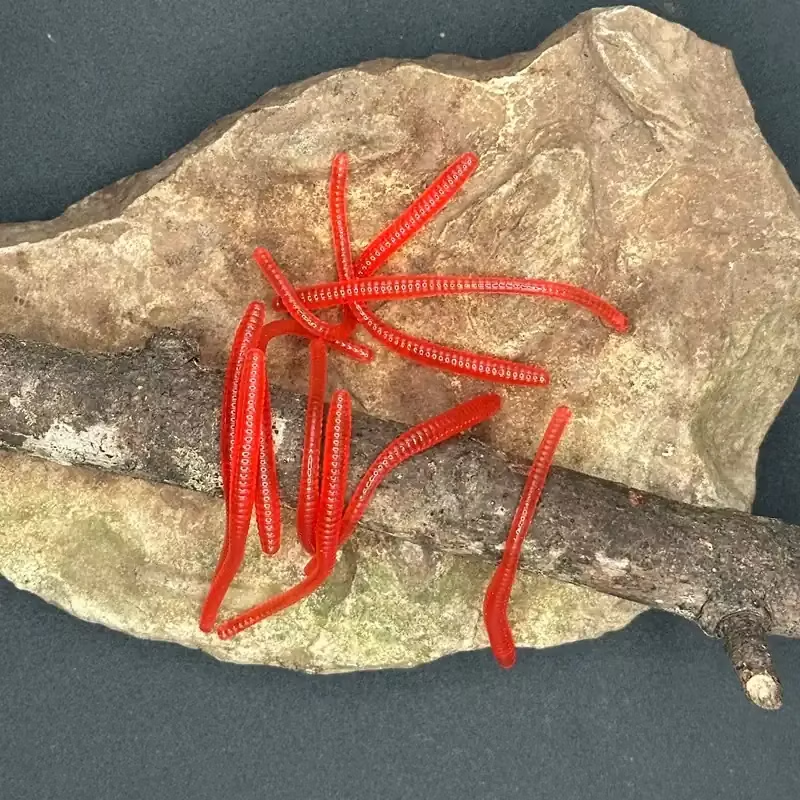
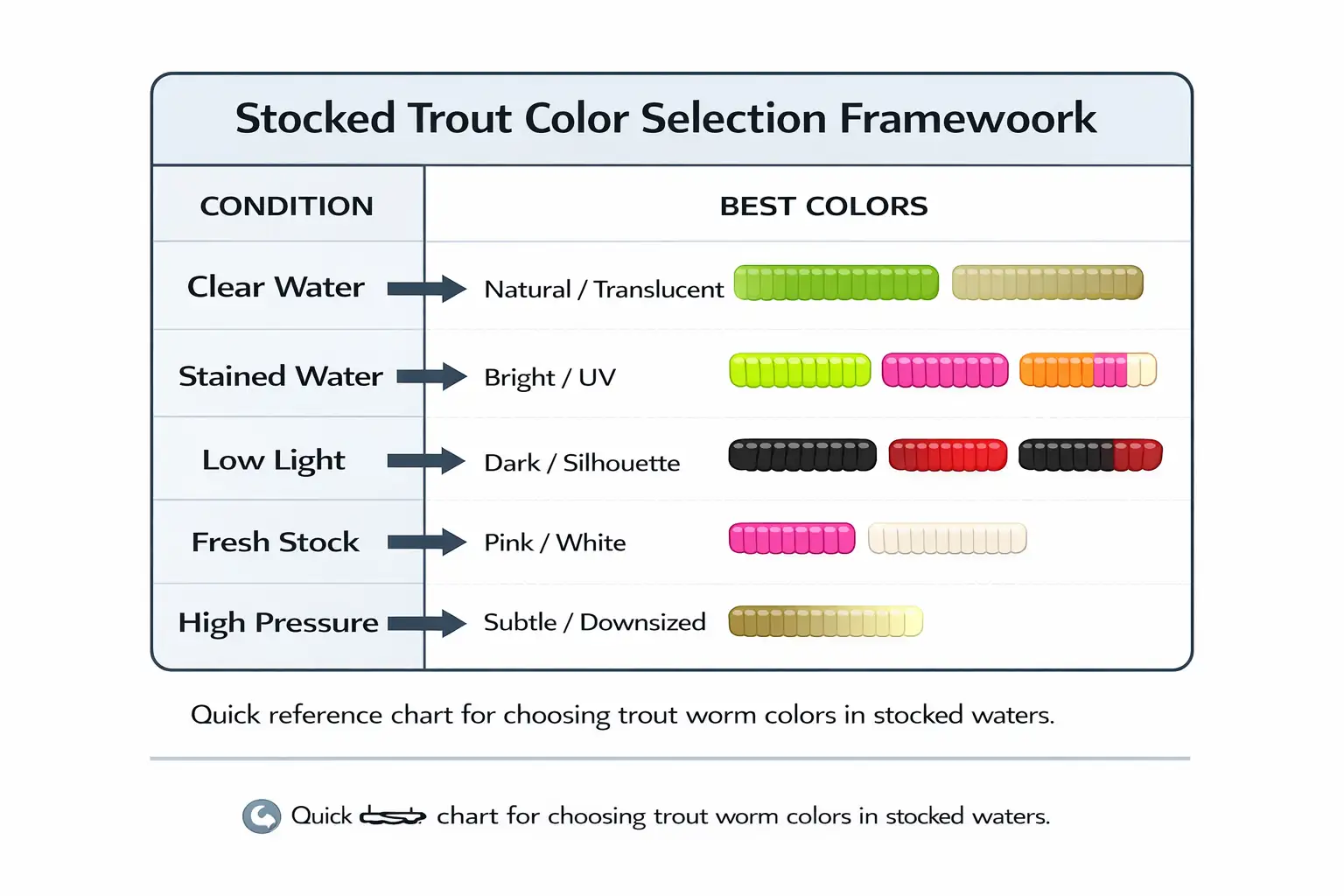
(For freshly stocked or heavily pressured fish, color selection gets even more important — see our Best Trout Worm Colors for Stocked Trout guide.)
The Fall-Rate Advantage
With trout, fall rate is everything. Marabou doesn’t drop like a weight — it falls like a living thing. The fibers slow the descent, creating a gliding, drifting fall, longer hang time in the strike zone, and a natural drop that mimics real prey. That matters most in river seams, eddies, stillwater drop-offs, and vertical jigging — anywhere trout suspend and inspect a bait before committing. The controlled fall is often what tips an inspecting fish into eating.
Best Colors for Marabou Jigs for Trout
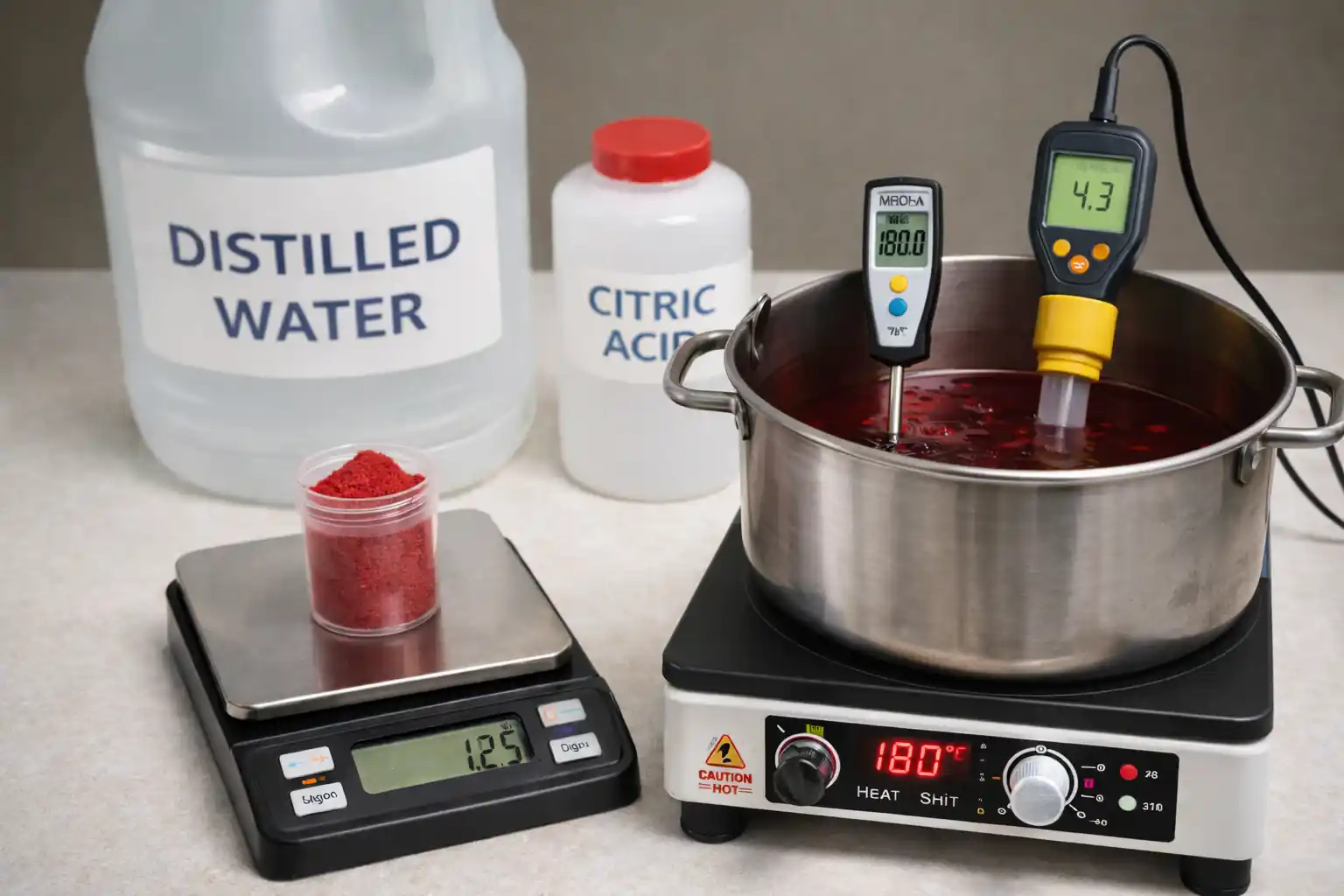
Color matters, especially in clear water, and marabou has an edge here: because feather absorbs dye differently than synthetics, it produces richer tones, softer gradients, and more natural transitions. Top trout colors:
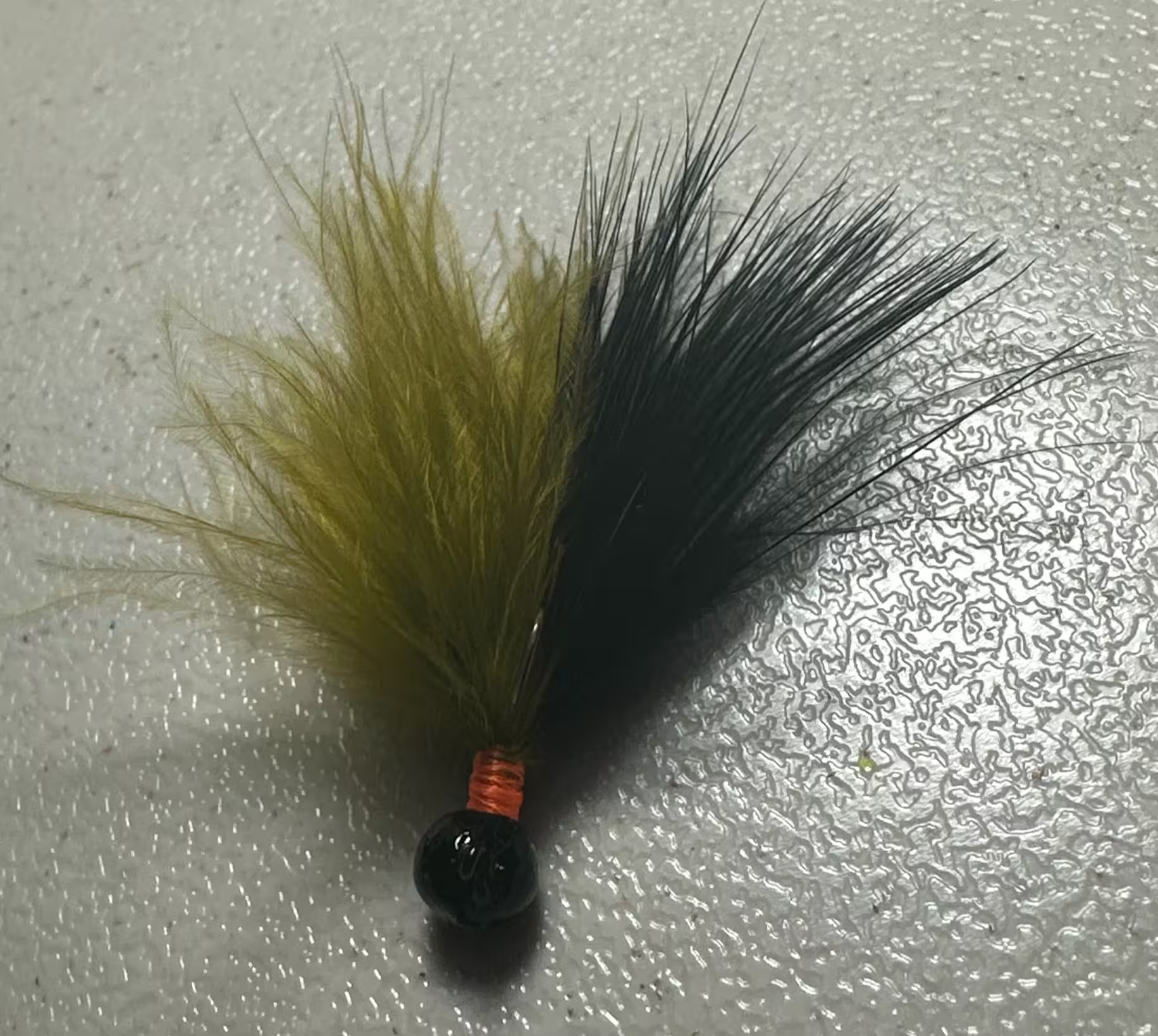
- Black / olive — strong silhouette in low light or overcast
- Brown / natural — clear-water realism
- White — baitfish imitation
- Chartreuse — reaction trigger in stained water
Marabou color follows the same visibility principles as any lure; for the deeper breakdown of how light, depth, and contrast affect what fish see, read our Soft Plastic Lure Color Guide, and for color by season and clarity, see Best Trout Worm Colors for Each Season.
How to Fish Marabou Jigs for trout
Marabou is at its best with simple, controlled presentations — and the cardinal rule is don’t overwork it, because it provides movement on its own.
- Float & drift. Light jig head, natural current presentation, minimal rod movement.
- Micro jigging. Vertical presentation with a slow lift and controlled drop — ideal for suspended trout.
- Slow swim retrieve. A light, steady retrieve with occasional pauses; let the fibers work between moves.
Pairing the right jig head weight is critical, since that’s what controls your fall rate and presentation depth.
When Marabou Beats Soft Plastics — and When It Doesn’t
Soft plastics win when fish are aggressive, when you need profile bulk, or when you want durability. Marabou wins when the water is clear, the fish are pressured, the temperature is cold, you need subtle action, or trout are inspecting rather than chasing. Plenty of strong trout anglers carry both and reach for marabou when the bite slows down.
The Real Reason Marabou Still Wins
This isn’t nostalgia — it’s physics and fish behavior. The continued success of marabou jigs for trout comes from their ability to create natural movement with almost no angler input. Marabou gives you natural compression in the strike, a controlled fall rate, micro-movement without rod input, and a soft visual profile. Those four traits directly answer the four problems trout throw at you: pressure, cold water, clear visibility, and short-strike behavior. When you want to catch trout while everyone around you struggles, a feather jig is often the highest-percentage choice on the water.
Frequently Asked Questions About Marabou Jigs for Trout
Are marabou jigs good for trout?
Yes. Marabou jigs are highly effective for trout because the feathers create natural movement with very little rod action. They excel in cold water, clear water, and heavily pressured fisheries where trout often reject more aggressive lures.
What size marabou jig is best for trout?
Most trout anglers use marabou jigs ranging from 1/64 oz to 1/16 oz. Smaller jigs generally work best in clear water and for pressured trout, while slightly heavier jigs help maintain depth and control in deeper water or stronger current.
Why do marabou jigs work so well in cold water?
Unlike many soft plastics, marabou fibers remain soft and responsive in cold temperatures. Even slight water movement causes the feathers to pulse and breathe naturally, creating lifelike action when trout are sluggish and unwilling to chase faster presentations.
What are the best marabou jig colors for trout?
Black, olive, brown, and white are among the most productive colors for trout. Natural colors typically perform best in clear water, while brighter colors such as chartreuse can help trigger strikes in stained water or low-light conditions.
How should you fish a marabou jig for trout?
Marabou jigs work best with subtle presentations. Effective techniques include drifting beneath a float, slow swimming retrieves, and gentle lift-and-drop presentations. In most situations, less action produces better results because the marabou provides movement on its own.
When should you choose a marabou jig over a soft plastic?
A marabou jig is often the better choice when trout are pressured, water temperatures are cold, visibility is high, or fish are inspecting lures closely before striking. Soft plastics generally perform better when trout are actively feeding and willing to chase larger or more aggressive presentations.
About Family Fishin
Family Fishin is a family-owned fishing tackle company dedicated to designing, testing, and producing high-quality fishing lures — inspired by generations of fishing tradition and driven by a passion for innovation. Every product is developed with one goal in mind: helping anglers spend more time doing what they love, catching fish and creating memories on the water.
Tags: #marabou jigs #trout fishing #cold water trout #pressured trout #finesse fishing #feather jigs