Fishing Tackle Making
Building fishing tackle combines craftsmanship, engineering, materials science, and on-the-water testing.
Whether you’re pouring soft plastics, designing custom molds, creating new color formulas, building jigs, painting crankbaits, or experimenting with lure action, understanding the principles behind tackle making helps produce better-performing fishing gear.
This section organizes tackle-making knowledge into practical categories that guide beginners and experienced makers through the design, construction, testing, and refinement process.
Lure Design and Manufacturing
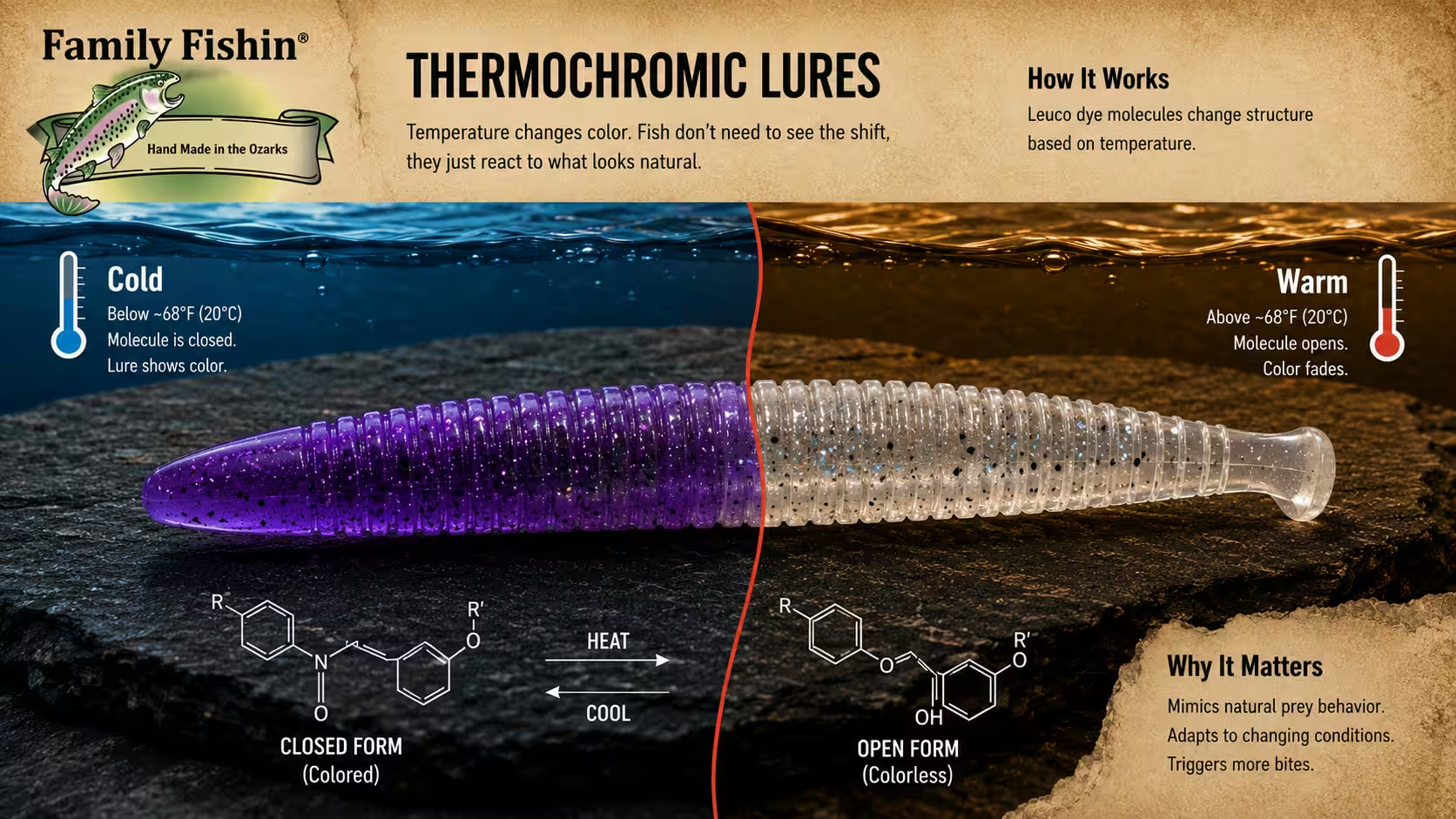
Thermochromic Lures: How Temperature-Triggered Color Change Works
June 25, 2026
Temperature changes color. That is the entire idea behind thermochromic lures — and it sounds like a gimmick right up until you understand what is actually happening inside…
Read more
Lure Design and Manufacturing
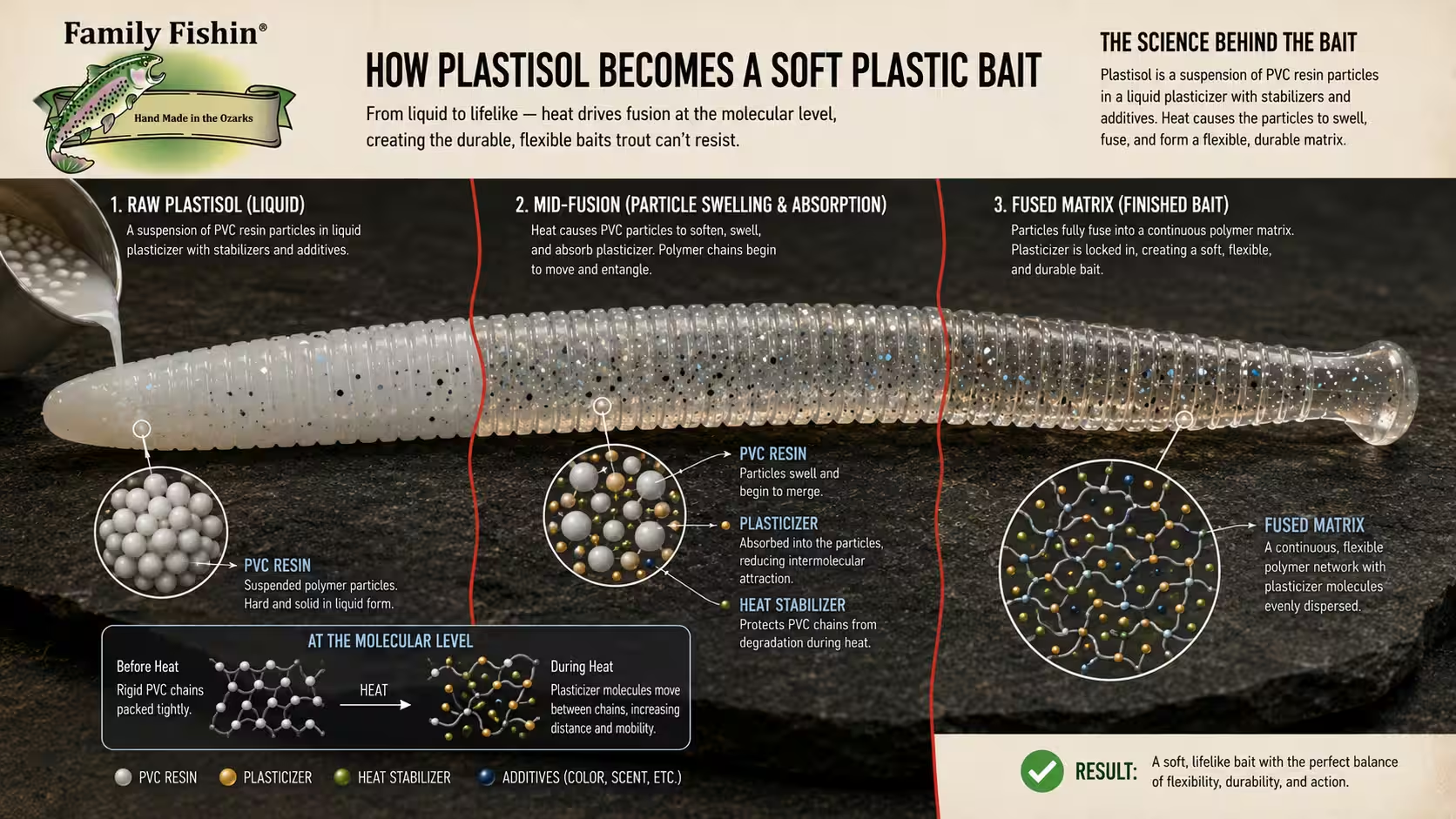
The Science of Plastisol: Complete Guide to Soft Plastic Lure Materials
June 25, 2026
The science of plastisol explains much of what makes a soft plastic fishing lure behave the way it does—from softness and flexibility to color, action, durability, and special…
Read more
Plastisol
Color-Changing Lures: How Photochromic Lures (Sun-Activated) Actually Work
June 3, 2026
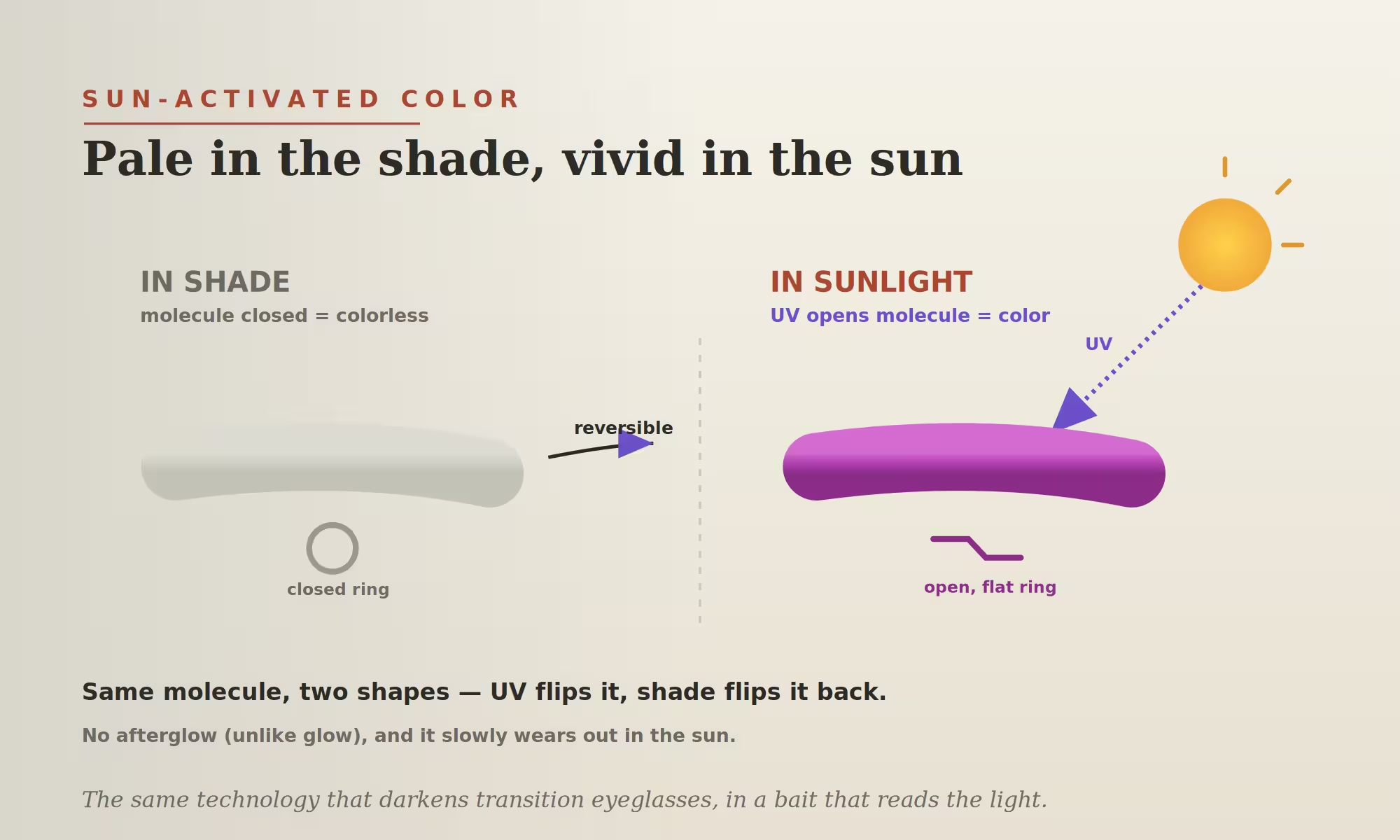
Same bait, two states — UV light flips a molecular switch that turns the color on, and shade turns it back off. Photochromic lures can look completely different…
Read more
Plastisol
Why Fluorescent Lures Pop So Hard (Fluorescent vs UV vs Glow, Sorted Out)
June 3, 2026
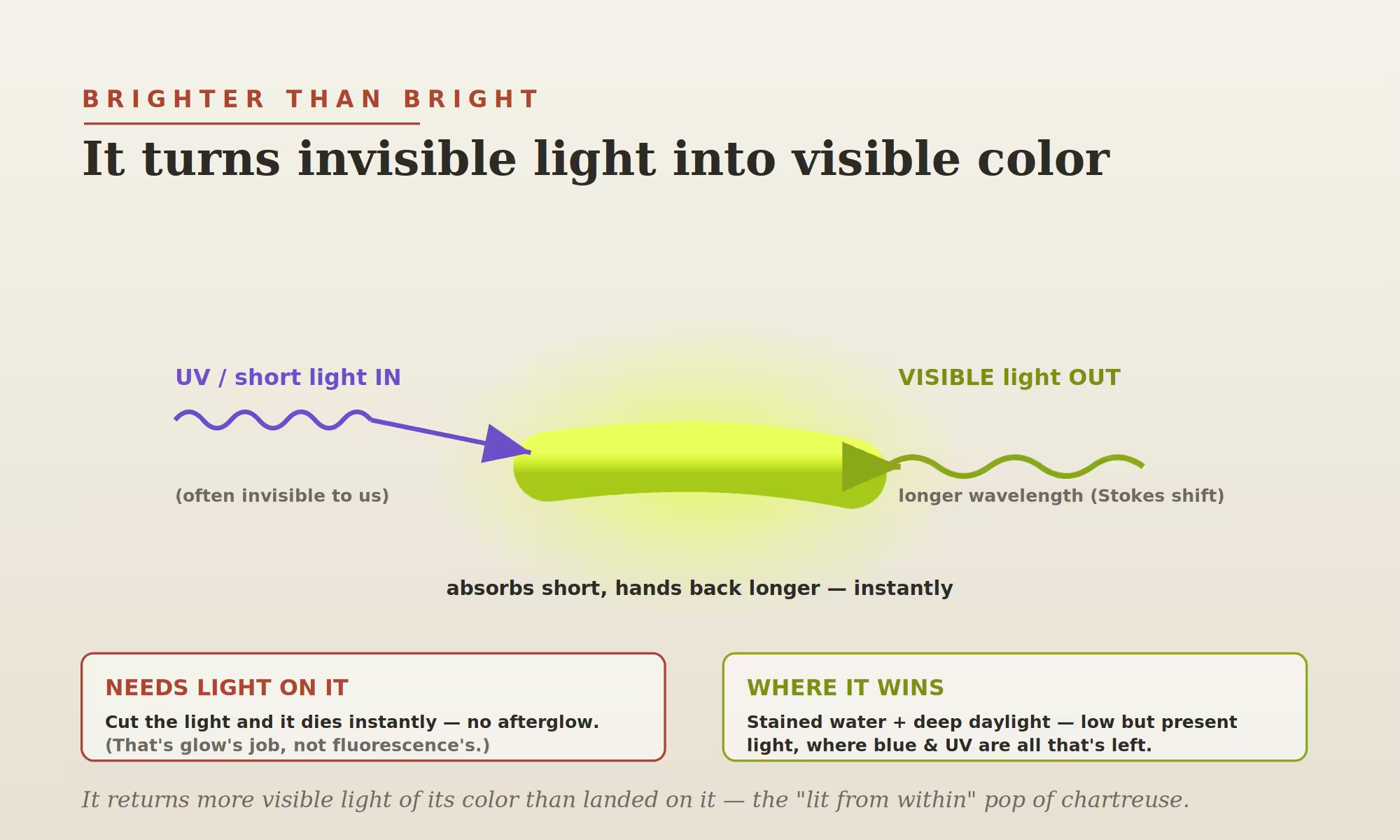
A fluorescent color cheats — it returns more visible light than fell on it by converting invisible light you can’t see. Fluorescent fishing lures can look almost lit…
Read more
Plastisol
Glow-in-the-Dark Fishing Lures: How Glow Pigments Actually Work (and How to Use Them)
June 2, 2026
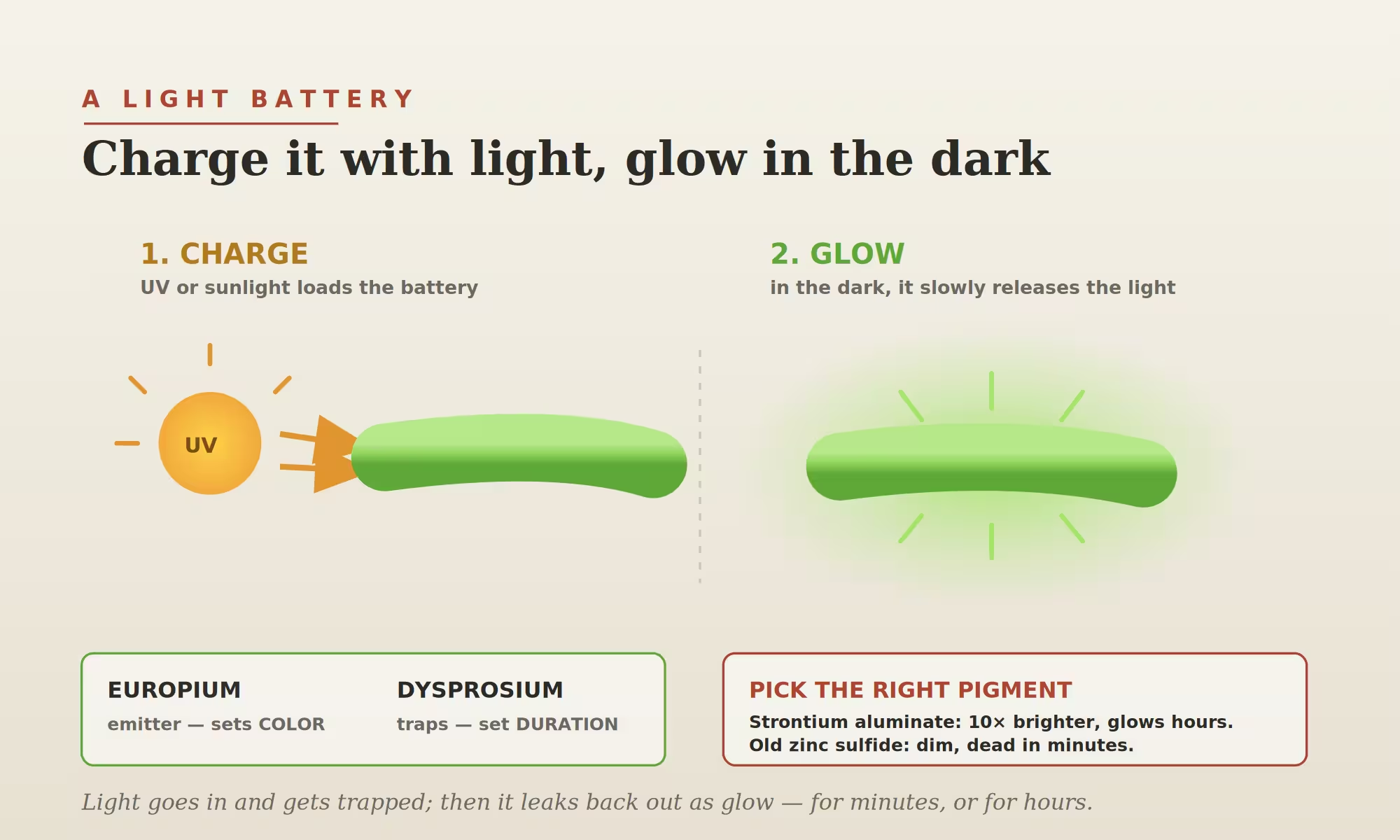
A glow bait is a light battery — you charge it with light, and it discharges as glow in the dark. Glow-in-the-dark fishing lures are deadly in deep…
Read more
Plastisol
Why Plastisol Yellows, Smells, and Scorches (The Degradation Problem)
June 2, 2026
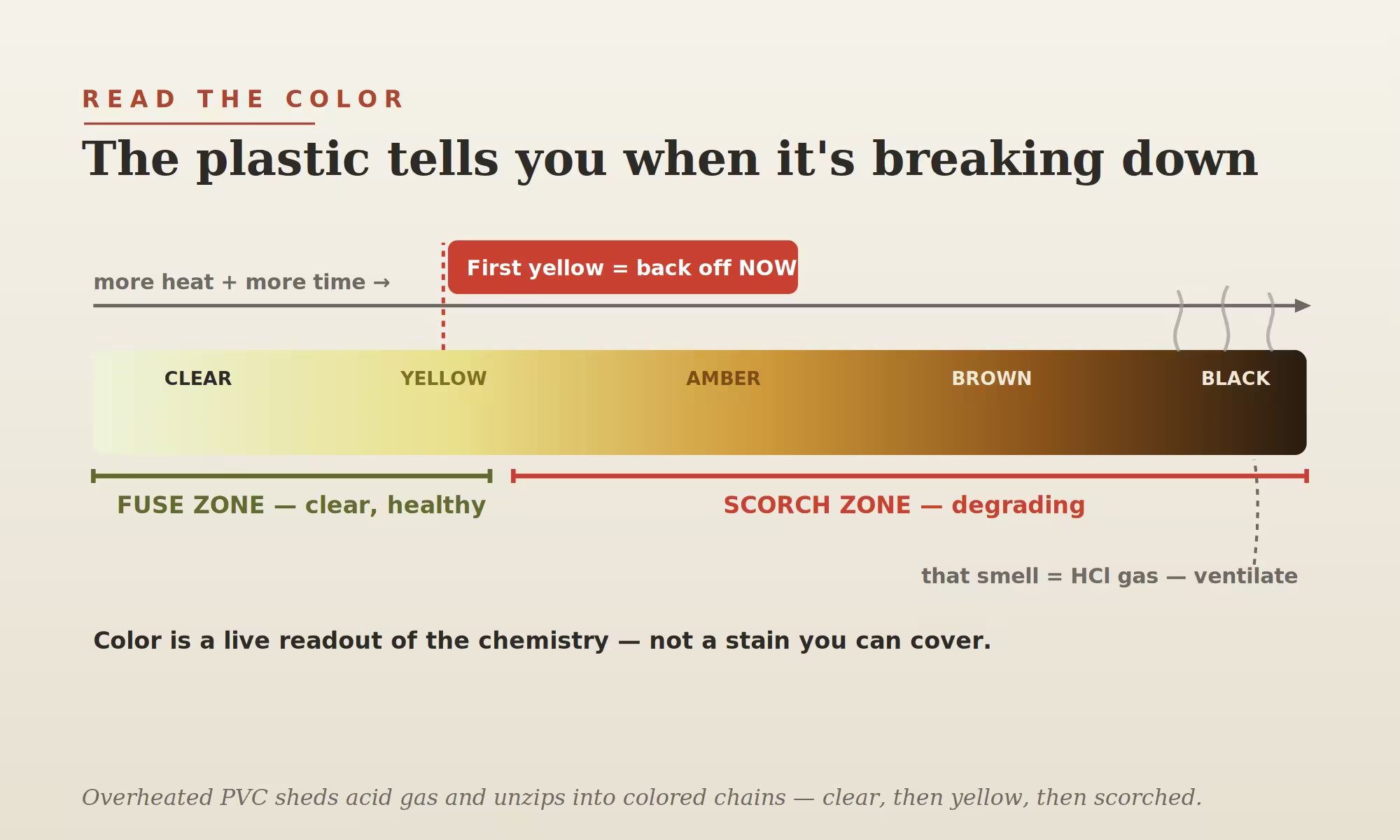
The color is a gauge. Clear is healthy; yellow is the warning; amber and brown mean the plastic is breaking down. Why plastisol turns yellow is one of…
Read more
Plastisol
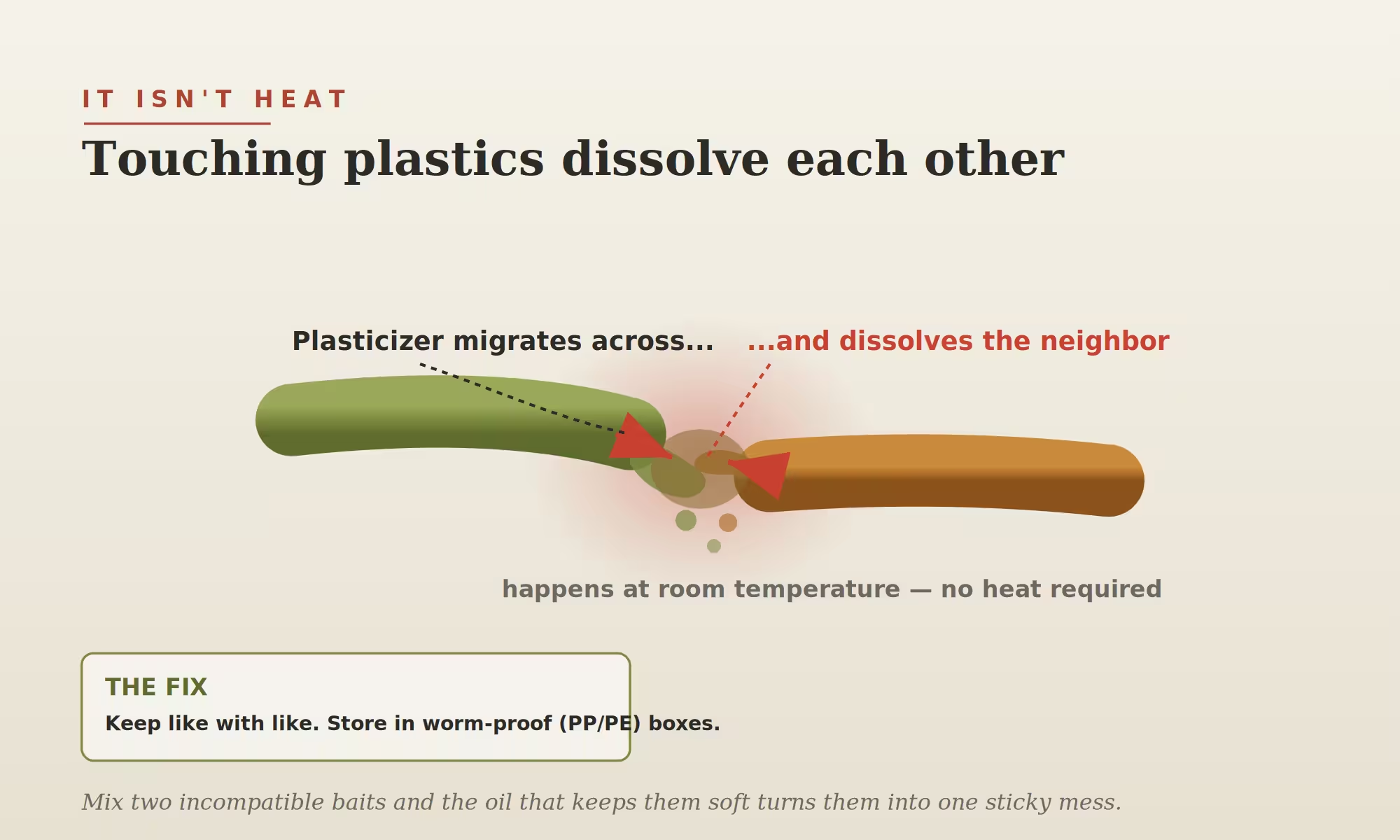
Why Soft Plastic Baits Melt Together (and How to Store Them So They Don’t)
June 1, 2026
It isn’t heat — it’s chemistry. Touching the wrong two plastics is enough to turn a bait to mush at room temperature. You open the tackle tray after…
Read more
Plastisol
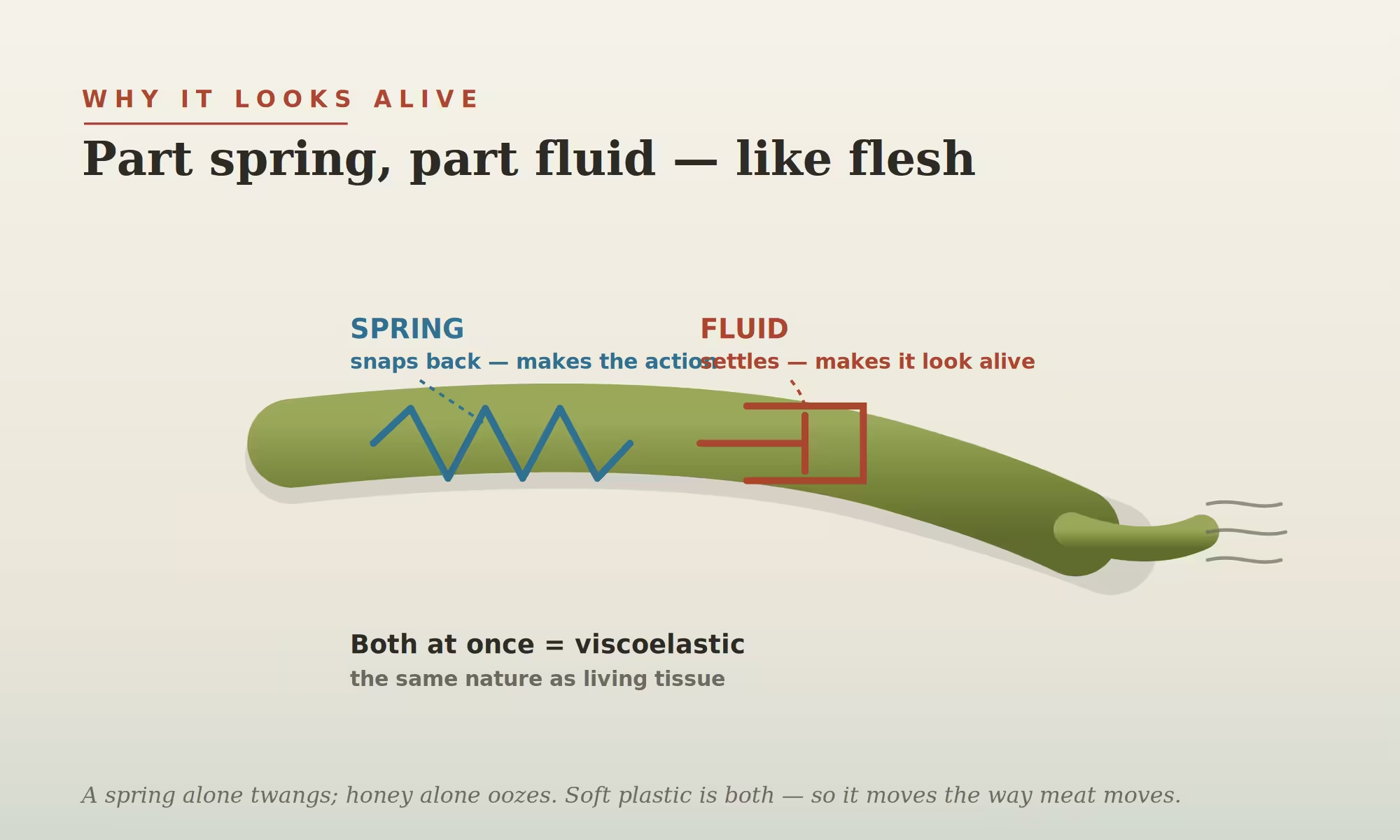
What Actually Makes a Soft Plastic Lure “Come Alive” (The Science of Action)
June 1, 2026
Soft plastic lure action is what makes a bait look alive in the water. You can nail the color. You can match the shape to the forage perfectly.…
Read more
Plastisol
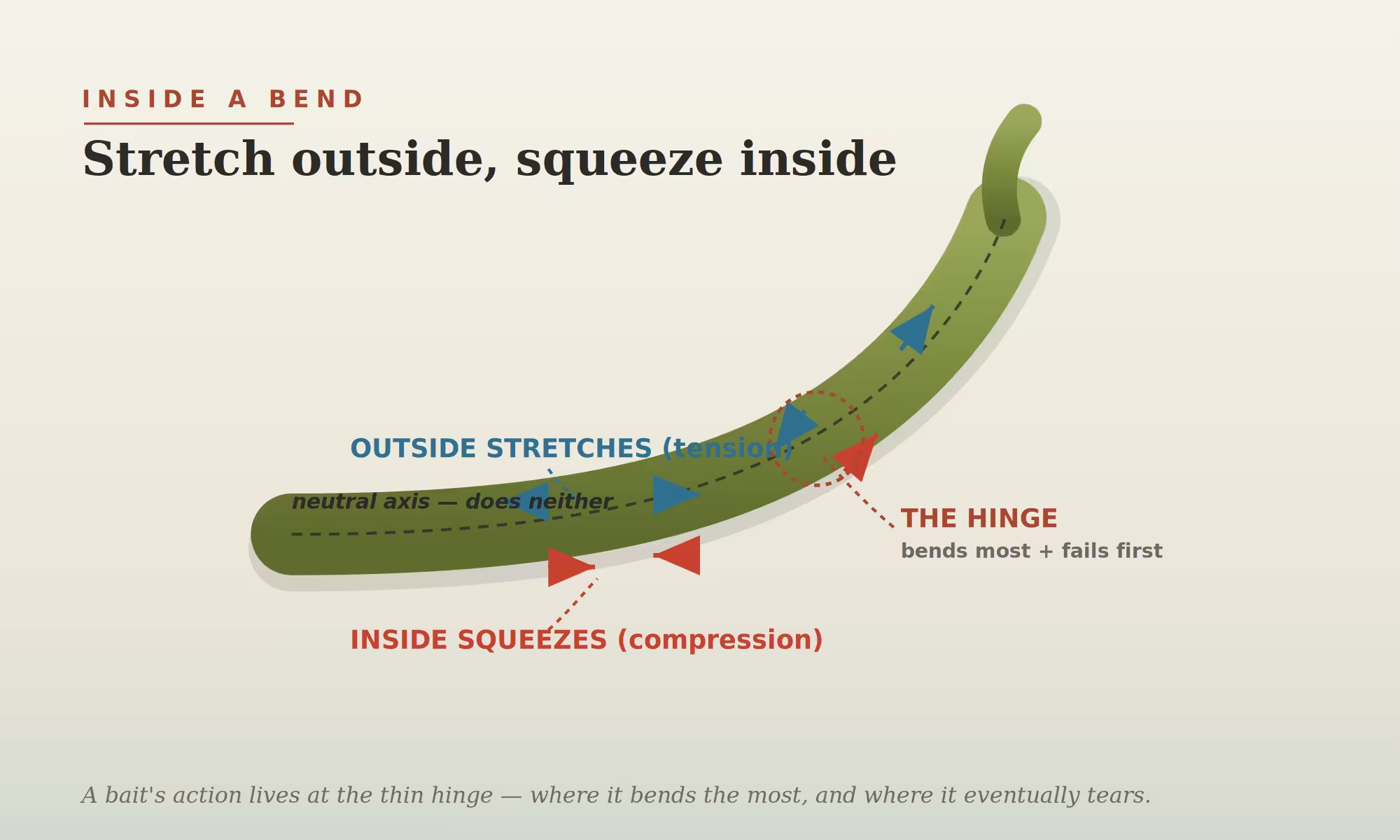
Why Soft Plastic Lures Bend the Way They Do (and How to Tune the Action)
June 1, 2026
When a tail bends, the outside stretches and the inside squeezes — and almost all of it happens at the thin hinge. Understanding soft plastic lure action begins…
Read more
Plastisol
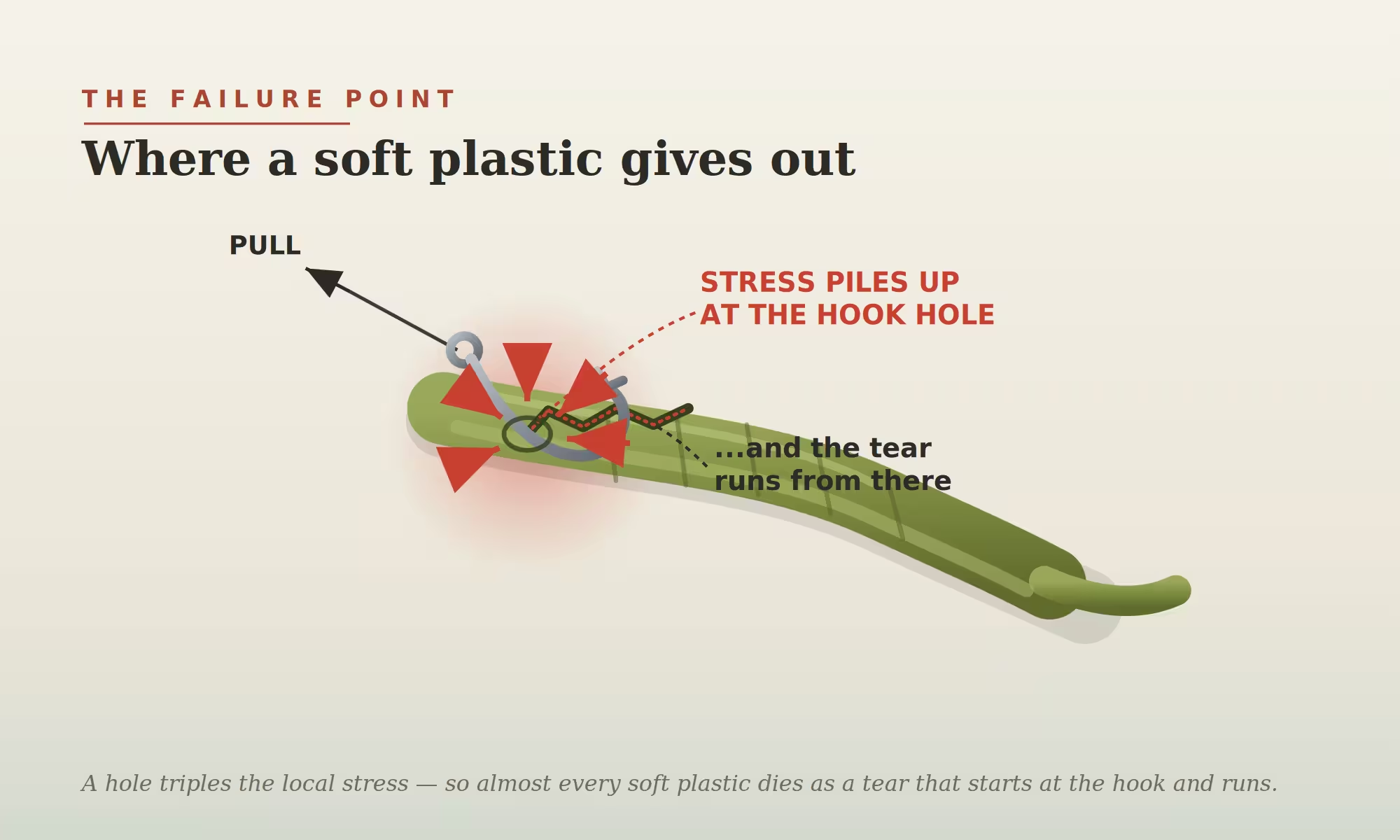
Why Soft Plastic Baits Tear (and How to Make Them Last)
May 31, 2026
Almost every time soft plastic baits tear, the damage starts at the hook hole and spreads through the body of the lure. You’ve seen it a hundred times.…
Read more
Plastisol
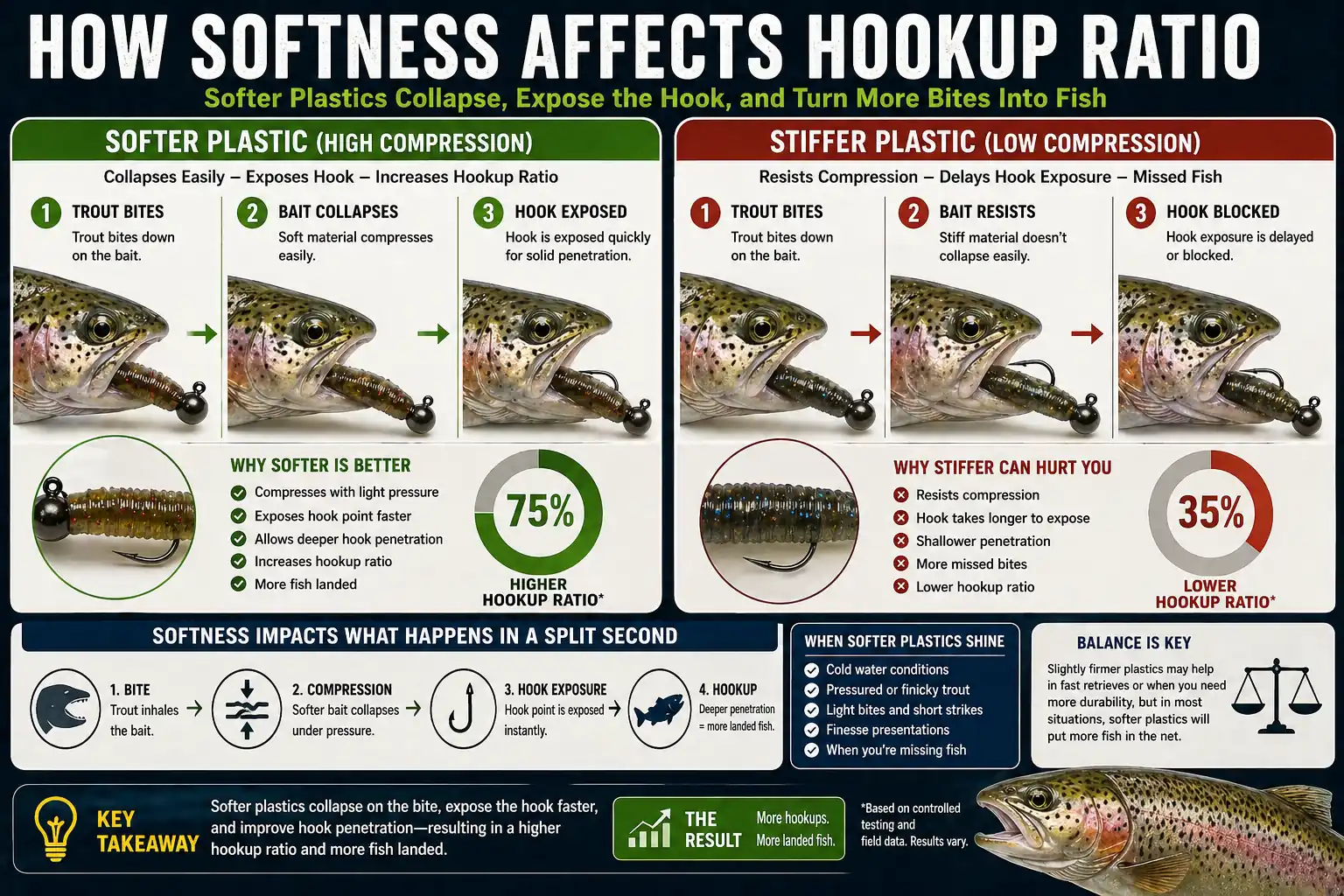
How Softness Affects Hookup Ratio
April 29, 2026
Softer plastics collapse on the bite and expose the hook faster, increasing hookup ratio. A complete breakdown of how material softness affects strike conversion, with step-by-step adjustment guide.
Read more
Lure Design and Manufacturing
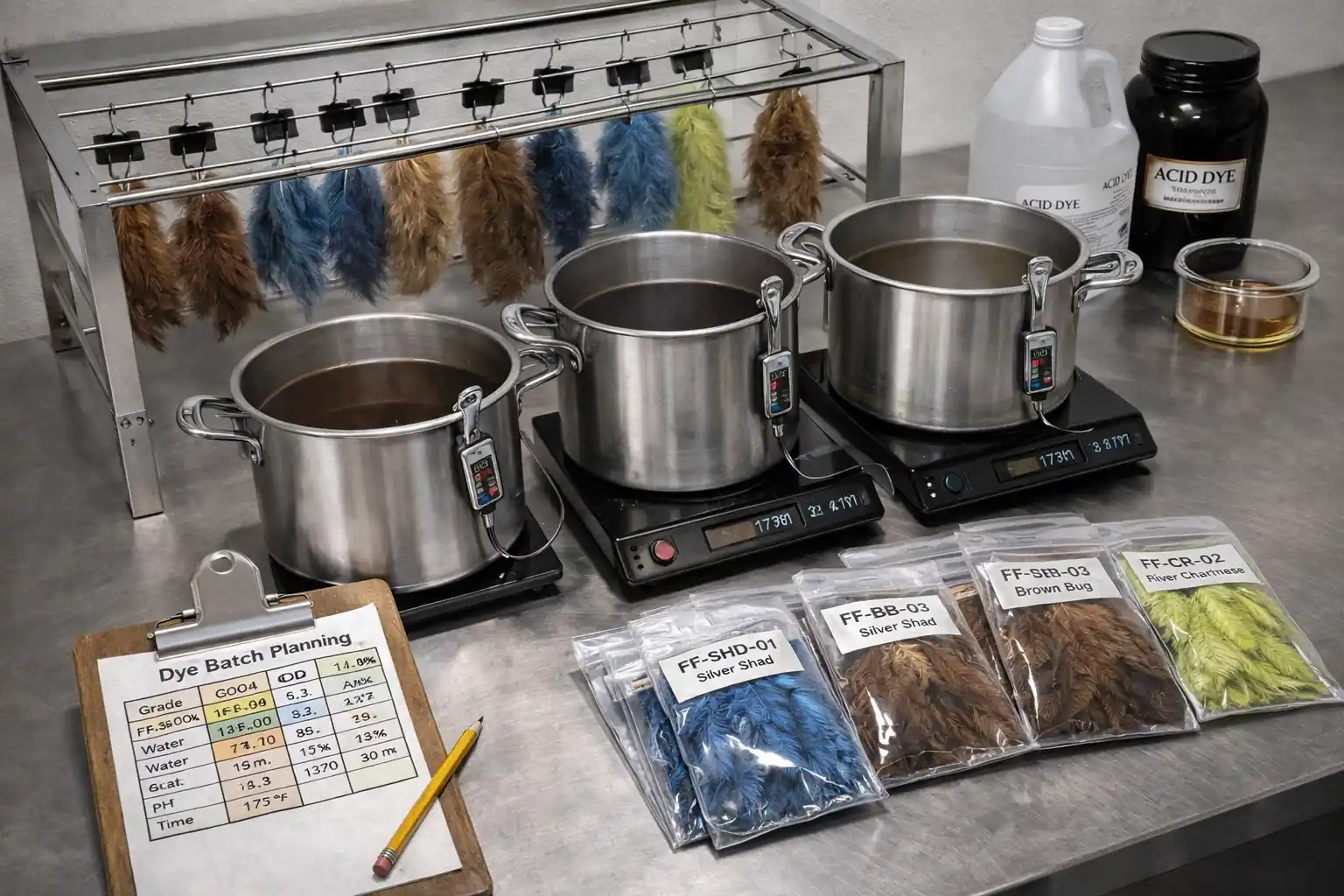
Part 7 — How to Dye Marabou Feathers at Commercial Scale
April 29, 2026
Scaling marabou dye production from small batches to commercial output requires control, documentation, repeatability, and margin discipline. A complete system covering batch planning, cost calculations, heating systems, chemical…
Read more