Life Cycle of Crawfish in Missouri
Understanding the life cycle of crawfish in Missouri is essential for both ecological study and making better decisions about color, profile, and presentation when using crawfish-imitating soft plastics.
The Life Cycle of Crawfish in Missouri: Stage by Stage
1. Egg Stage
Crawfish reproduction typically occurs in fall. In spring (March or April), females lay eggs attached to the underside of the tail in a “berry” cluster. The dark brown to black eggs incubate for several weeks while the female carries and aerates them.
2. Larval Stage
After 2–3 weeks, eggs hatch into tiny, initially transparent larvae. They molt multiple times while remaining with their mother for about 2–3 weeks before developing juvenile coloration.
3. Juvenile Stage
Juvenile crawfish are 0.5 to 1 inch in length, light brown to olive-green, blending into surroundings to avoid predators. They grow rapidly, molting every few days to weeks during early life.
4. Adult Stage
Most Missouri crawfish reach sexual maturity within their first year. Adults range from 2 to 6 inches with more pronounced colors than juveniles.
Seasonal Color Changes
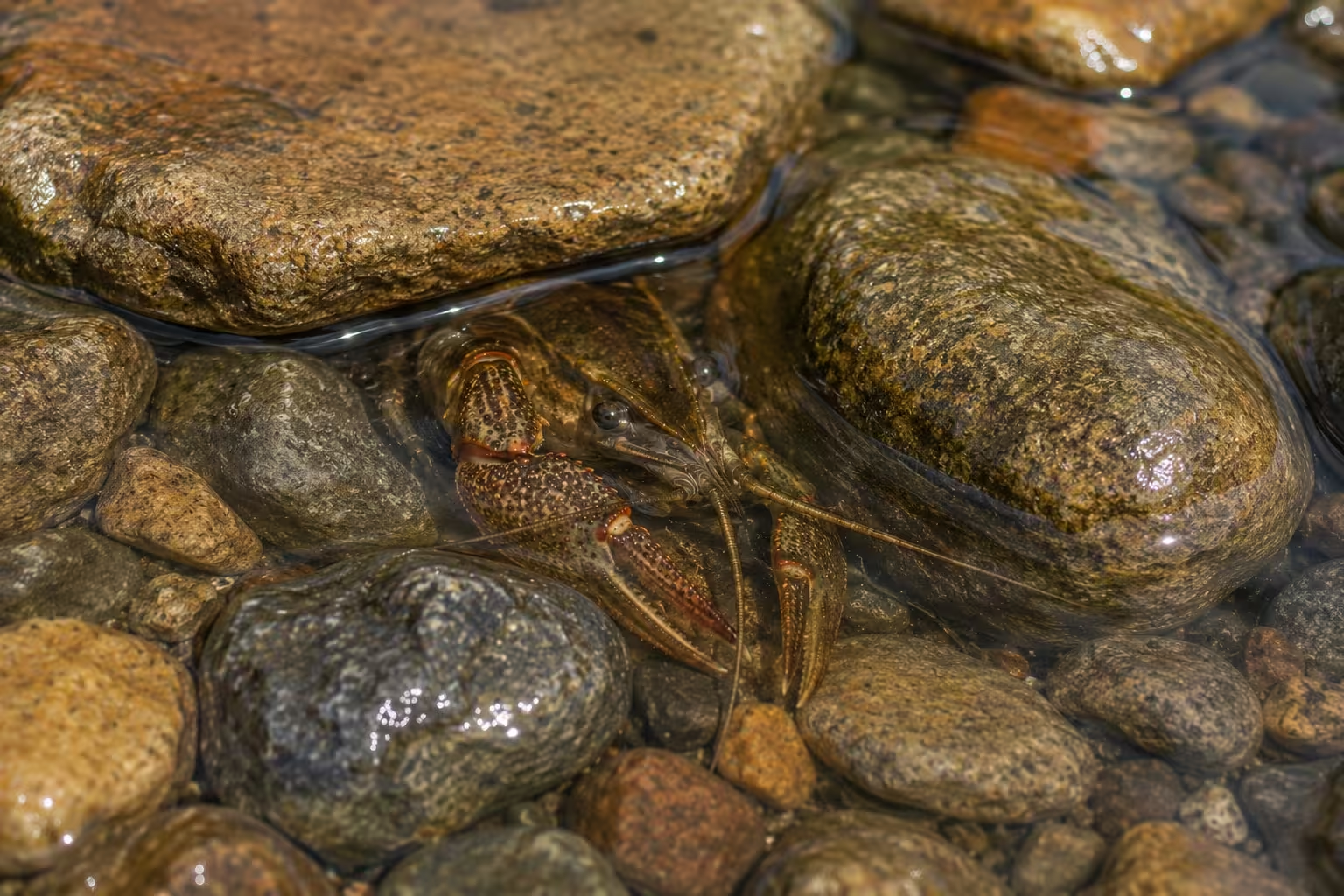
- Spring and Summer: Greens, olives, and browns blending with lush aquatic vegetation
- Fall: More reddish or orange hues as vegetation dies back and diet changes
- Winter: Darker, more subdued coloration in murky leaf-covered waters
Water Temperature Effects on Color
- Warm Water: Brighter, more vibrant colors due to higher metabolic rate and active molting
- Cool Water: Darker, more muted colors due to slower metabolism and less frequent molting
5. Senescence and Death
Missouri crawfish typically live 2 to 3 years. Molting frequency decreases with age until natural death or predation.
Ecological Role
Crawfish are found in Missouri rivers, streams, ponds, and wetlands. They are both predators and prey — providing a critical food source for bass, trout, catfish, and wildlife. Some species burrow in mud, impacting soil structure and water filtration.
What This Means for Soft Plastic Color Selection
Understanding the life cycle of crawfish in Missouri directly informs soft plastic selection. In spring and summer, olive and brown imitations match natural forage. In fall, orange and red tones become more accurate. In winter, darker muted tones work best. Juvenile profiles (1–2″) often outperform full adult profiles in pressured or clear water.
Frequently Asked Questions About Crawfish in Missouri
How long do crawfish live in Missouri?
Missouri crawfish typically live 2 to 3 years. Molting frequency decreases as they age, and most die of natural causes or predation by the end of that window rather than living much longer.
When do Missouri crawfish lay eggs?
Reproduction typically occurs in fall, with females laying eggs in spring (March or April). The dark brown to black eggs attach to the underside of the tail in a “berry” cluster, where the female carries and aerates them for several weeks until they hatch.
Why do crawfish molt so many times?
Molting is how crawfish grow — their exoskeleton doesn’t stretch, so they must shed it periodically to increase in size. Molting frequency is highest during the larval and juvenile stages and slows considerably as they reach adulthood and again as they age.
Does water temperature really change crawfish color?
Yes. Warmer water speeds up metabolism and molting frequency, producing brighter, more vibrant coloration. Cooler water slows metabolism and molting, producing darker, more muted tones. This is a direct, observable link between season and the color Missouri crawfish actually display.
What fish eat crawfish in Missouri?
Crawfish are a major food source for bass, trout, and catfish across Missouri’s rivers, streams, ponds, and wetlands, alongside other wildlife. Their role as both predator and prey makes them a key part of the food web in these waters.
How should the crawfish life cycle change which soft plastic color I use?
Match color to season: olive and brown in spring and summer, orange and red tones in fall, and darker muted tones in winter. In pressured or clear water, sizing down to a juvenile profile (1 to 2 inches) often outperforms a full adult-sized imitation.
What do juvenile crawfish look like compared to adults?
Juveniles hatch nearly transparent and gradually develop juvenile coloration over several weeks as they molt repeatedly while still with their mother. Full adult coloration and size typically aren’t reached until well into the juvenile-to-adult transition, which is part of why smaller, paler soft plastic profiles can outperform full-size adult imitations for much of the year.
Do all Missouri crawfish species follow the same life cycle?
The broad stages — egg, larval, juvenile, adult, and senescence — hold across Missouri’s crawfish species, though exact timing, size, and typical lifespan can vary somewhat by species and by the specific water body they inhabit. The general pattern of seasonal and temperature-driven color change described here applies broadly across those species.
Where in Missouri are crawfish most common?
Crawfish are widespread across Missouri’s rivers, streams, ponds, and wetlands statewide, with especially strong populations in the Ozark region’s clear, spring-fed streams. Some species burrow into mud along banks, which also affects local soil structure and water filtration.