From Feathers to Soft Plastics: The Story of Fishing Lures
By Rodney & Natalia Abel | Family Fishin
Thousands of years ago, an angler tied feathers and fiber to a hook and cast it into the water, hoping to fool a fish into striking. The history of fishing lures begins right there — with innovation, observation, and one endless question.
That angler wasn’t trying to build a business, create a brand, or invent an industry. He was trying to catch a fish. That simple act began a journey that continues today.
For thousands of years, anglers have studied the creatures beneath the surface and asked the same thing: what will make a fish bite? Every lure ever made — carved from wood, fashioned from bone, molded from rubber, or poured from soft plastic — has been someone’s answer to that question.
At Family Fishin, we think that’s one of the greatest stories ever told: a story of observation, craftsmanship, innovation, and a deep respect for the waters that sustain both fish and fishermen. It’s also a story we’re proud to be part of.
The First Lure Makers

Long before tackle shops existed, anglers built their own gear from whatever they could find. Ancient Egyptians decorated hooks with feathers and fibers to imitate small prey. Chinese fishermen crafted artificial baits from bamboo and silk. Across North America, Indigenous peoples developed ingenious fishing systems from wood, bone, shells, and natural materials gathered from their surroundings.
They had no sonar, no underwater cameras, no fish-behavior studies. What they had was patience. They watched, learned, and adapted — noticing what fish were feeding on and trying to imitate it. That process is still the foundation of lure design today, and every modern lure traces back to those early craftsmen standing beside the water, trying to understand what fish wanted.
The Rise of Artificial Lures
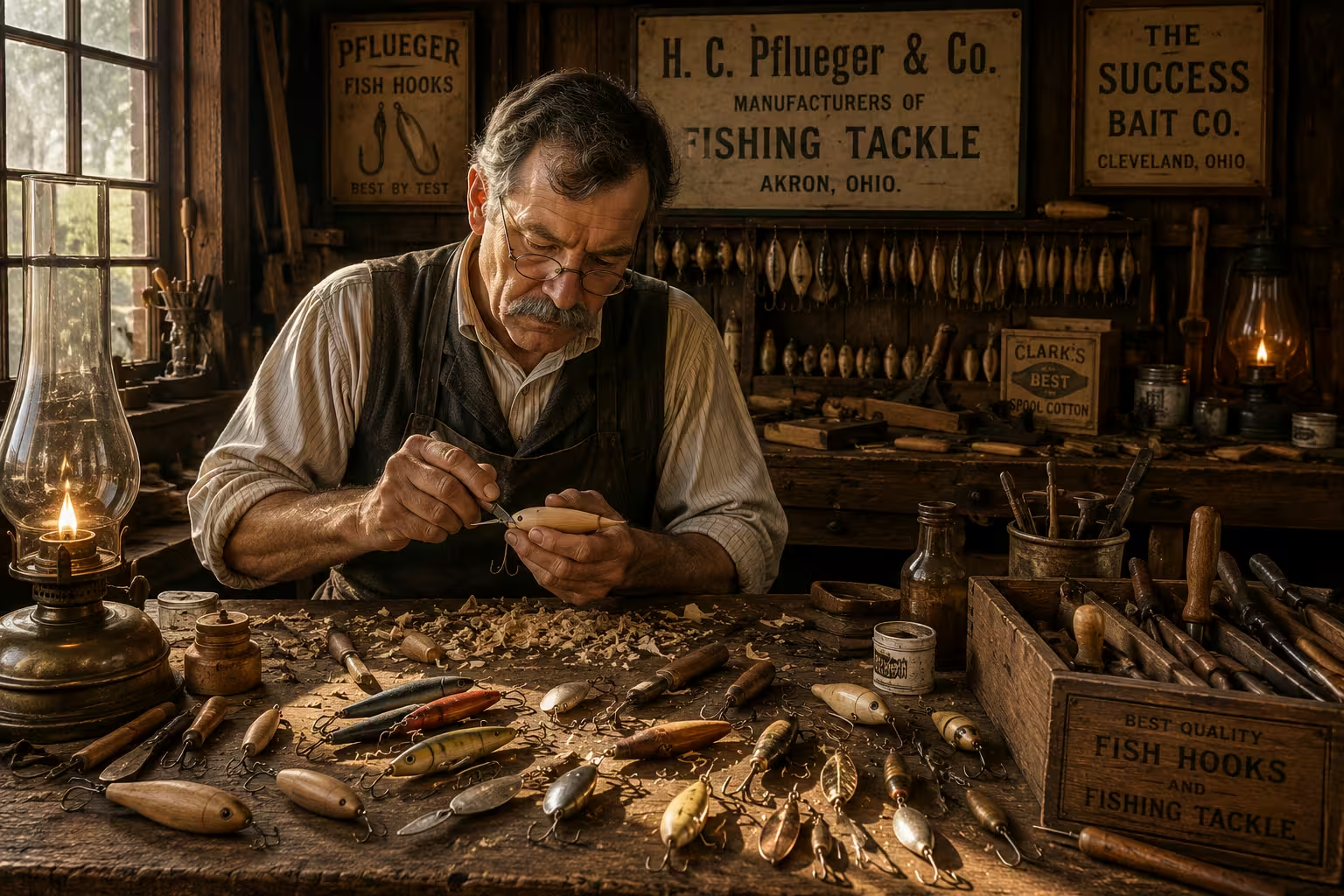
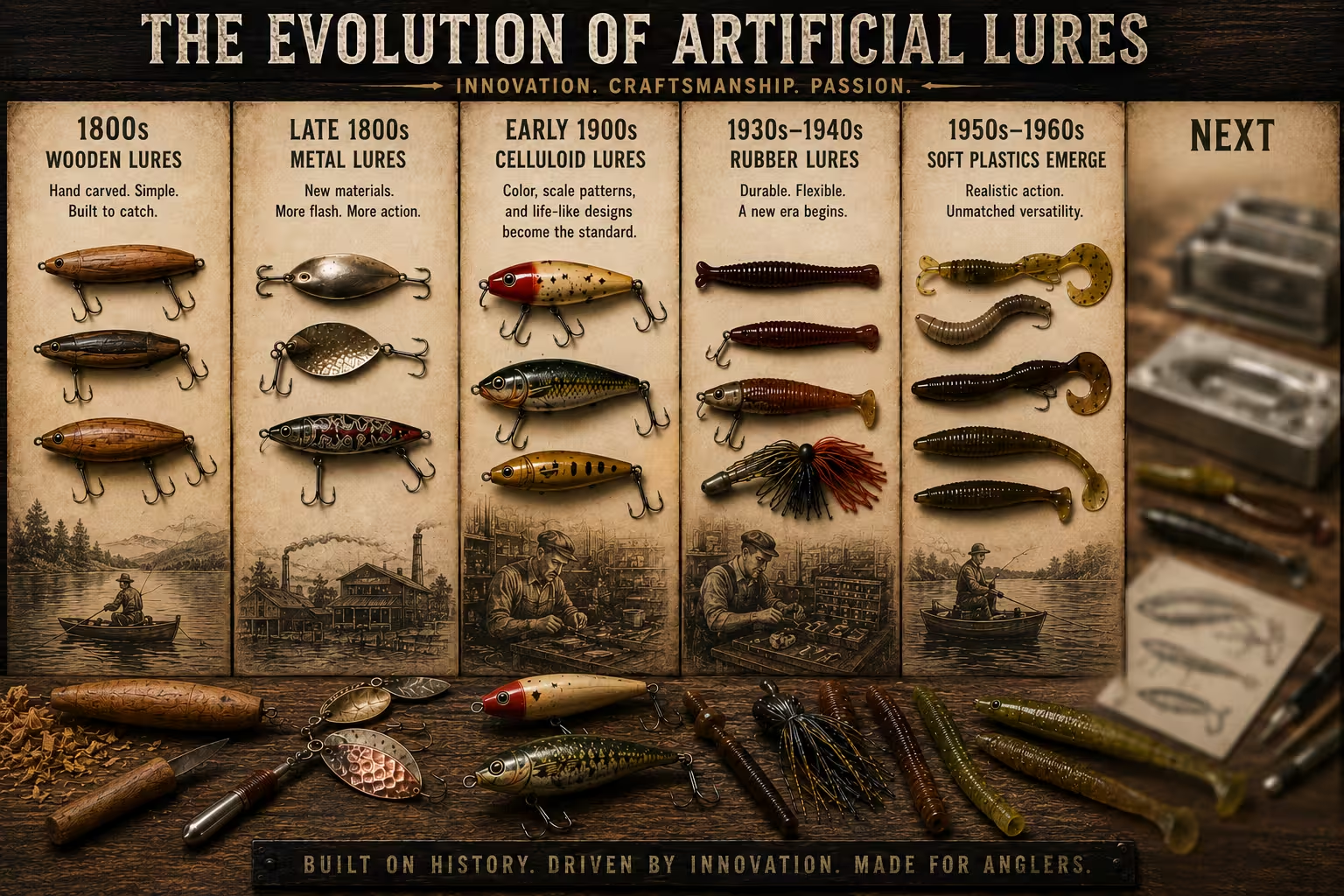
As fishing grew in popularity through the 1700s and 1800s, lure makers grew more sophisticated. Wooden plugs appeared, then metal spoons and spinners. Inventors experimented with new shapes, sizes, and actions — some worked brilliantly, others failed completely. But every success and every failure taught anglers something about fish behavior.
The goal was no longer simply to imitate nature. It became understanding how fish reacted to movement, vibration, flash, and presentation. For the first time, lure makers designed specifically to trigger strikes — and the modern fishing tackle industry was born.
Rubber Changed Everything
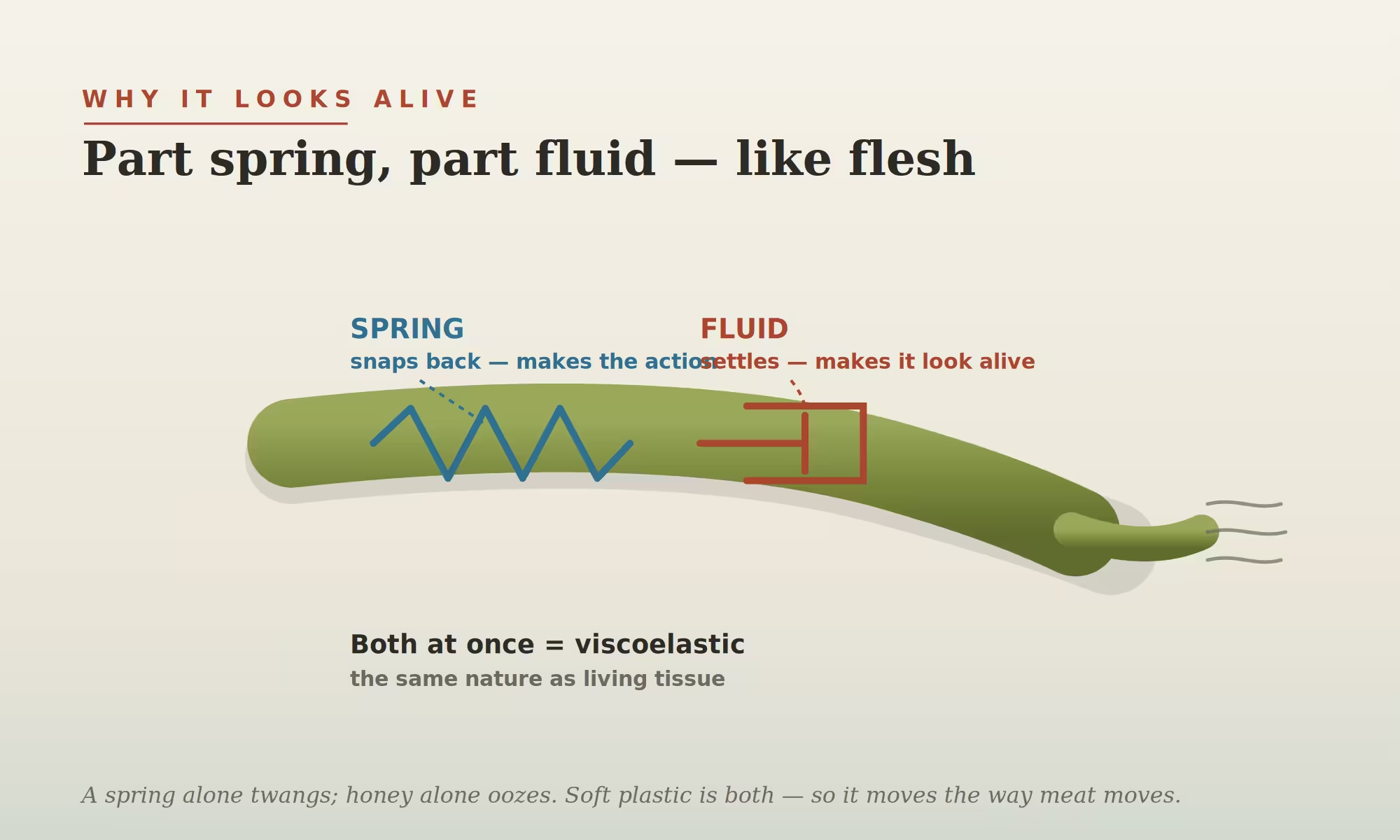
The invention of vulcanized rubber in the late 1800s opened entirely new possibilities. Unlike wood or metal, rubber moved — it flexed, stretched, and behaved more like living prey. For anglers, that was revolutionary: artificial baits could suddenly create lifelike movement that rigid materials never could.
It taught the fishing world a lesson that still drives lure development today: action often matters more than appearance. A lure doesn’t have to look perfect; it has to move convincingly. That realization paved the way for one of the most important innovations in fishing history.
The Soft Plastic Revolution
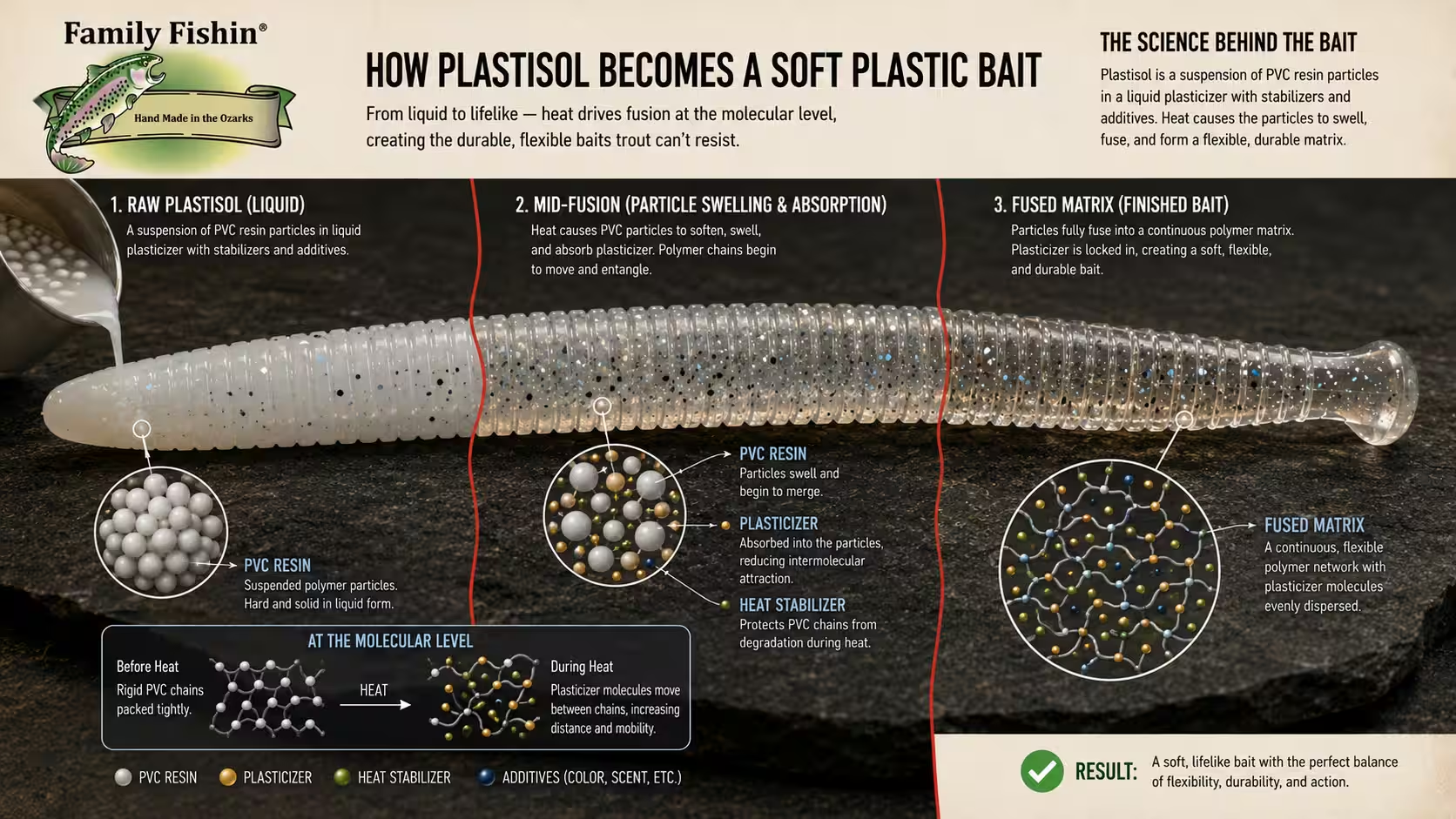
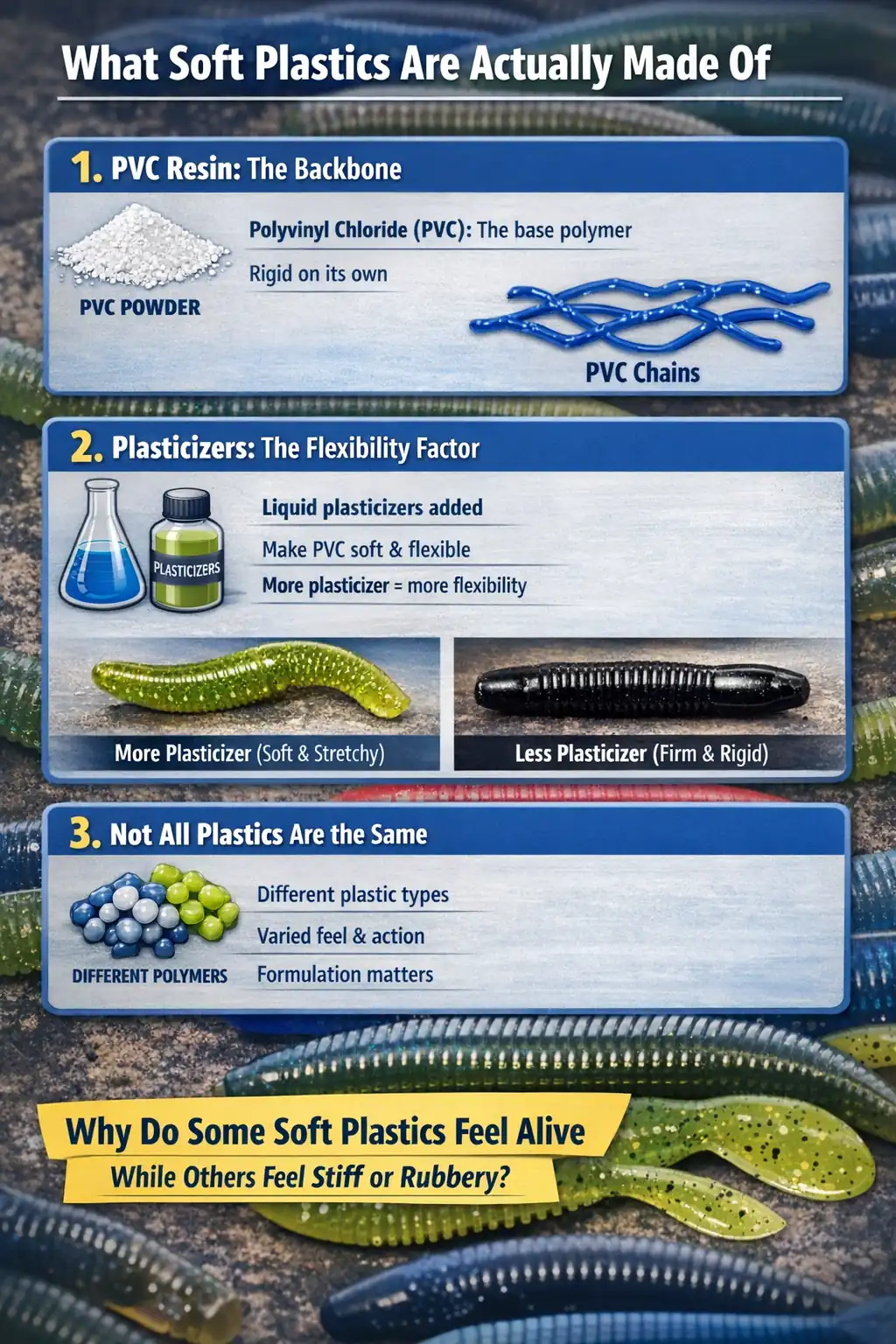
When soft plastic lures emerged in the mid-twentieth century, fishing changed forever. For the first time, lure makers had nearly unlimited freedom — worms, minnows, crawfish, grubs, swimbaits, tubes, creatures, and designs nobody had ever seen before. Colors became more realistic, actions more natural, profiles more specialized.
Soft plastics let anglers target specific species under specific conditions with incredible precision. Bass anglers embraced them, trout anglers adapted them, crappie anglers refined them, and walleye anglers trusted them. Today it’s hard to imagine fishing without them — what started as a simple innovation became one of the most versatile tools ever placed in a tackle box.
Fishing Has Always Been About Innovation
When people think about tradition, they often picture things staying the same. Fishing tells a different story. The anglers who shaped this sport were innovators — they experimented, modified, and improved. Every major advancement happened because someone believed there was a better way: a better action, a better material, a better design, a better understanding of fish.
Innovation isn’t separate from fishing tradition. Innovation is fishing tradition. The history of fishing is the history of anglers refusing to stop learning.
Where Family Fishin Fits Into the Story
Family Fishin didn’t begin in a boardroom. It began on the water. Like a lot of anglers, we spent years hunting for lures that matched the situations we faced. Sometimes we found them; often we didn’t. So we started experimenting — adjusting colors, modifying profiles, changing actions, testing different materials. Eventually we started making our own.
What began as curiosity became a passion, then an obsession. Every lure we create still starts the same way: with a fishing problem that needs solving. We don’t begin by asking what will sell. We begin by asking what will help anglers catch more fish — and that philosophy guides every mold we pour, every color we develop, and every product we test.
Built on the Water
One thing we’ve learned is that fish are remarkably honest. A fish doesn’t care about advertising, packaging, or social media. Either a lure works or it doesn’t. That’s why every product we develop spends time where it matters most — on the water: Ozark streams, trout waters, farm ponds, reservoirs, creeks, and rivers. Real fishing conditions reveal truths that laboratories and marketing departments never can. The fish make the final decision. They always have.
Looking Toward the Future
The next chapter of fishing is still being written. New materials keep emerging, new manufacturing techniques become possible every year, and new understandings of fish behavior reshape how we design and fish lures. We see our job as continuing to explore those possibilities. Some ideas become products; others stay experiments. Some focus on performance, some on durability, some on environmental impact — and many pursue all three. What matters is continuing the pursuit of improvement, the same pursuit that has driven lure makers for thousands of years. Standing still has never been part of fishing’s history.
More Than Catching Fish
Fishing has always been about more than fish. It’s about mornings on the water, family traditions, stories passed between generations, the thrill of discovering something new, and the responsibility of caring for the places we love. Every angler inherits a legacy built by those who came before — and every lure maker does too.
We respect the craftsmen, inventors, and fishermen who brought us this far. Their work built the foundation we stand on, and our job is to keep building: better products for anglers, better stewardship of the waters we fish, and a sport left stronger than we found it. The future of fishing depends on both innovation and conservation.
The fish don’t care about our logos. The water doesn’t care about our marketing. What matters is whether what we make genuinely improves the experience for anglers while protecting the places that make this sport possible. That’s the standard we hold ourselves to at Family Fishin — and the future we’re working toward every day.
Frequently Asked Questions About the History of Fishing Lures
What is the oldest known fishing lure?
Archaeological evidence suggests anglers were using rudimentary artificial lures thousands of years ago. Ancient Egyptians, Chinese fishermen, and Indigenous peoples crafted lures from feathers, bone, wood, shells, and natural fibers to imitate prey and attract fish.
When were the first artificial fishing lures invented?
Artificial fishing lures have existed for thousands of years. While the exact origin is unknown, historical evidence shows that early civilizations were creating lure-like tackle long before the modern fishing industry existed.
How did fishing lures evolve over time?
The history of fishing lures reflects continuous innovation. Early anglers used natural materials such as feathers and bone. Later developments introduced carved wooden plugs, metal spoons, rubber lures, and eventually the modern soft plastic lures that dominate many fisheries today.
Who invented soft plastic fishing lures?
Nick Creme is widely credited with creating the first modern soft plastic worm in 1949 in Akron, Ohio. His Creme Wiggle Worm launched the soft plastic revolution and forever changed how anglers target bass and many other species.
Why are soft plastic lures so effective?
Soft plastic lures let anglers create lifelike movement, realistic profiles, and highly specialized presentations. Their versatility makes them effective for species ranging from bass and trout to crappie and walleye.
What is the future of fishing lure design?
The future will likely involve new materials, improved manufacturing, more realistic actions, and innovations that balance performance with environmental responsibility. Throughout the history of fishing lures, progress has always been driven by anglers searching for better ways to catch fish.
How does Family Fishin approach lure development?
At Family Fishin, every lure begins on the water. New designs, colors, and materials are tested under real fishing conditions to make sure they perform for anglers. We believe the best way to honor the history of fishing lures is to keep learning, experimenting, and building better products for the next generation.
About Family Fishin
Family Fishin is a family-owned fishing tackle company dedicated to designing, testing, and producing high-quality fishing lures — inspired by generations of fishing tradition and driven by a passion for innovation. Every product is developed with one goal in mind: helping anglers spend more time doing what they love, catching fish and creating memories on the water.
Tags: #artificial fishing lures · #family fishin · #fishing history · #history of fishing lures · #lure innovation · #soft plastic fishing lures