The Chemistry Behind Crawfish and Shrimp Oil: Why Crustacean Scent Runs on Betaine, Not Trimethylamine
Crawfish and shrimp oil for trout is one of the most scientifically supported natural scent categories because it contains high concentrations of betaine, glycine, and other compounds found in real crustacean prey. Fish oil’s signature comes from trimethylamine. Crustacean tissue runs on an almost entirely different chemistry — dominated by glycine and betaine instead — and that difference is exactly why crawfish and shrimp oil smell distinctly different from fish oil, and why one of them comes with a natural color cue the other scents in this series don’t have.
1. Why Crawfish and Shrimp Oil for Trout Is Different
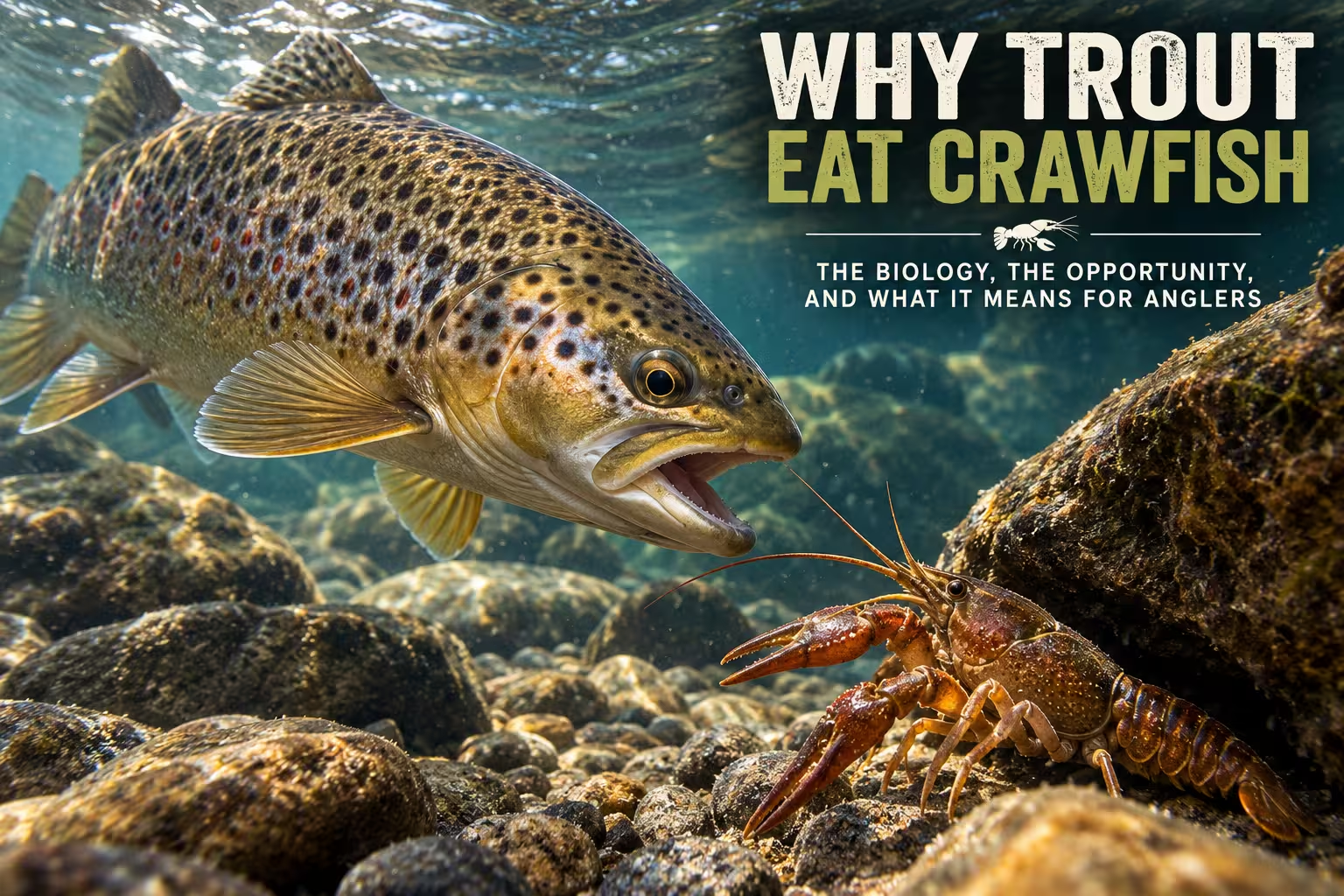
The fish oil post covered baitfish tissue chemistry. Crawfish and shrimp are a different branch of the animal kingdom entirely — crustaceans, not fish — and crustacean tissue breaks down into a noticeably different chemical signature. That matters because crawfish specifically are a real, everyday part of a wild or stream trout’s diet, which puts this post’s central compounds in the same “genuine natural signal” category as fish oil, just built from a different biochemical starting point.
2.What’s Actually in Crustacean Tissue
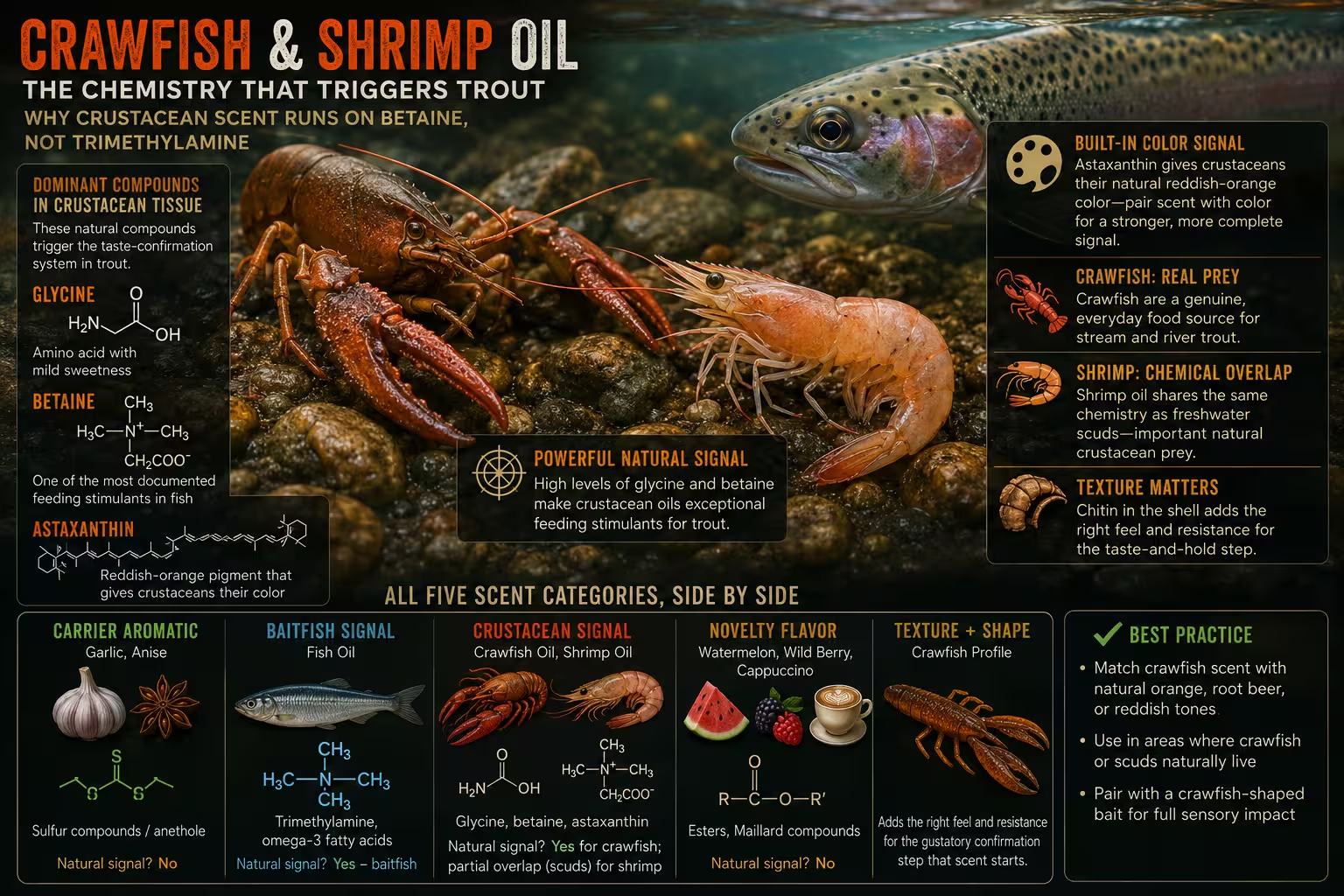
The effectiveness of crawfish and shrimp oil for trout comes from the natural chemistry found in crustacean muscle tissue. These are part of why shrimp and crab taste distinctly sweet to humans — glycine itself has a mild sweetness, and betaine (a compound closely related to the amino acid glycine) is concentrated at levels well above what’s typical in fish muscle tissue.
Betaine specifically has one of the best-documented track records as a feeding stimulant across a wide range of fish species in aquaculture and bait research — often cited alongside amino acids like alanine and proline (covered in the garlic post) as one of the most reliable compounds for triggering a feeding response. Crustacean-derived oils carry naturally high concentrations of it, without needing to be synthetically added.
Core principle: where fish oil’s identity comes from a single standout volatile (trimethylamine), crustacean oil’s effectiveness leans more heavily on concentration of feeding-stimulant compounds already covered elsewhere in this series — it’s less a unique new molecule and more a naturally concentrated dose of the same amino-acid-family chemistry that does the real work at the taste-check step.
3.Astaxanthin: The One Scent With a Built-In Color Cue
Crustacean tissue and shell also contain astaxanthin, a reddish-orange carotenoid pigment. It’s the same pigment responsible for a boiled shrimp or crawfish turning red, and it’s the same compound that gives farmed salmon their pink color, since salmon accumulate it by eating crustaceans.
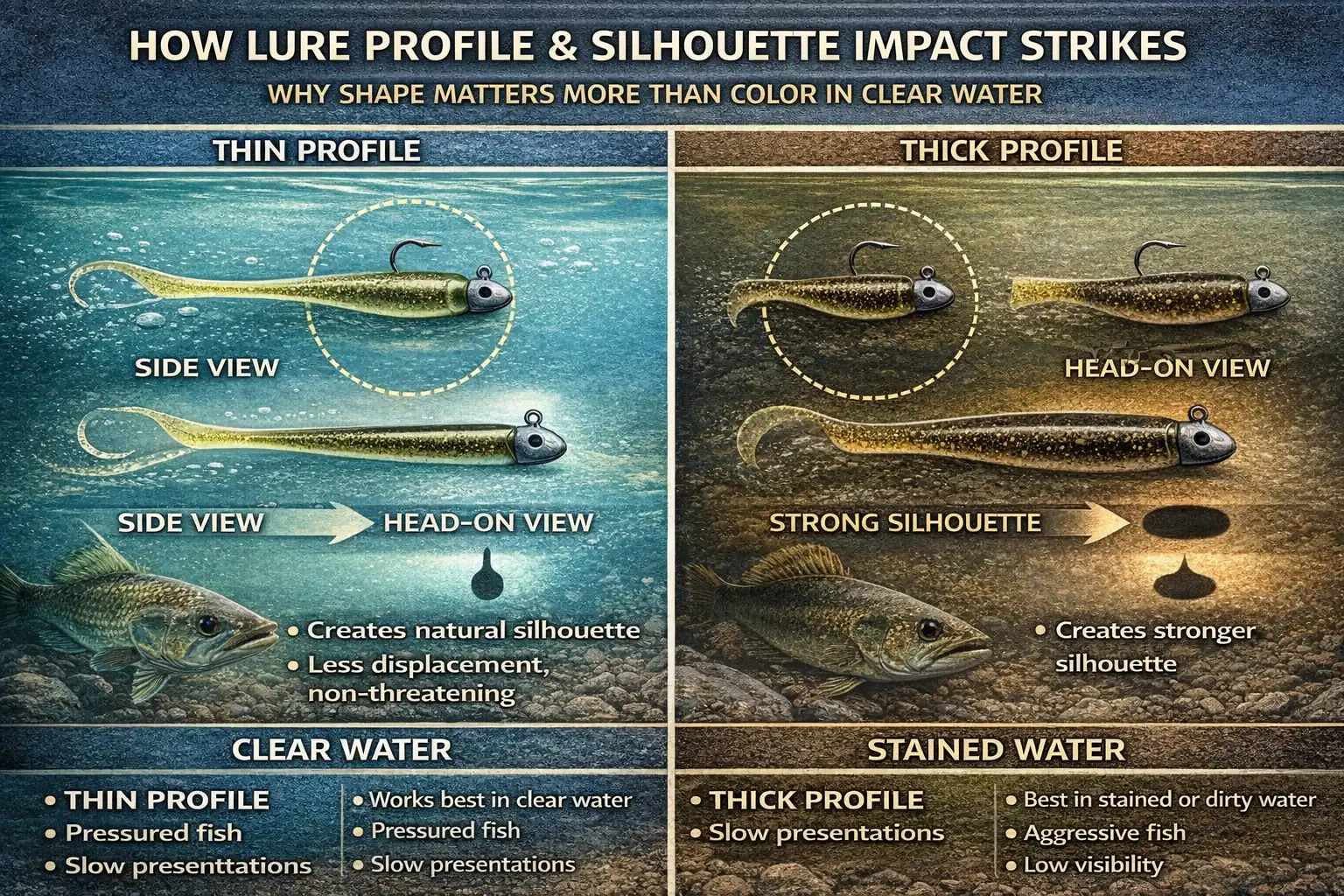
None of the other scents in this series carry a built-in color signal. Garlic, anise, fish oil, and the novelty flavors are purely chemical — they say nothing about what a bait should look like. Crustacean oil is different: in nature, astaxanthin-rich tissue and reddish-orange coloration go together, which means a crawfish or shrimp-scented bait in a natural reddish, orange, or root-beer color tone is reinforcing the same signal on two separate senses at once, connecting directly to the water-clarity and light-based color choices covered in our soft plastic color guide.
Tactical adjustment: this is the one scent in the series where matching color to scent isn’t just aesthetic — it’s chemically consistent with what a trout naturally encounters. A crawfish-scented bait in a natural orange, root beer, or reddish tone lines up scent and visual signal in a way a fluorescent or unrelated color choice doesn’t.
4.Crawfish vs. Shrimp: Not Quite the Same Claim
Crawfish and shrimp oil share the same underlying crustacean chemistry (glycine, betaine, astaxanthin), but they don’t carry identical weight as a “natural signal” claim.
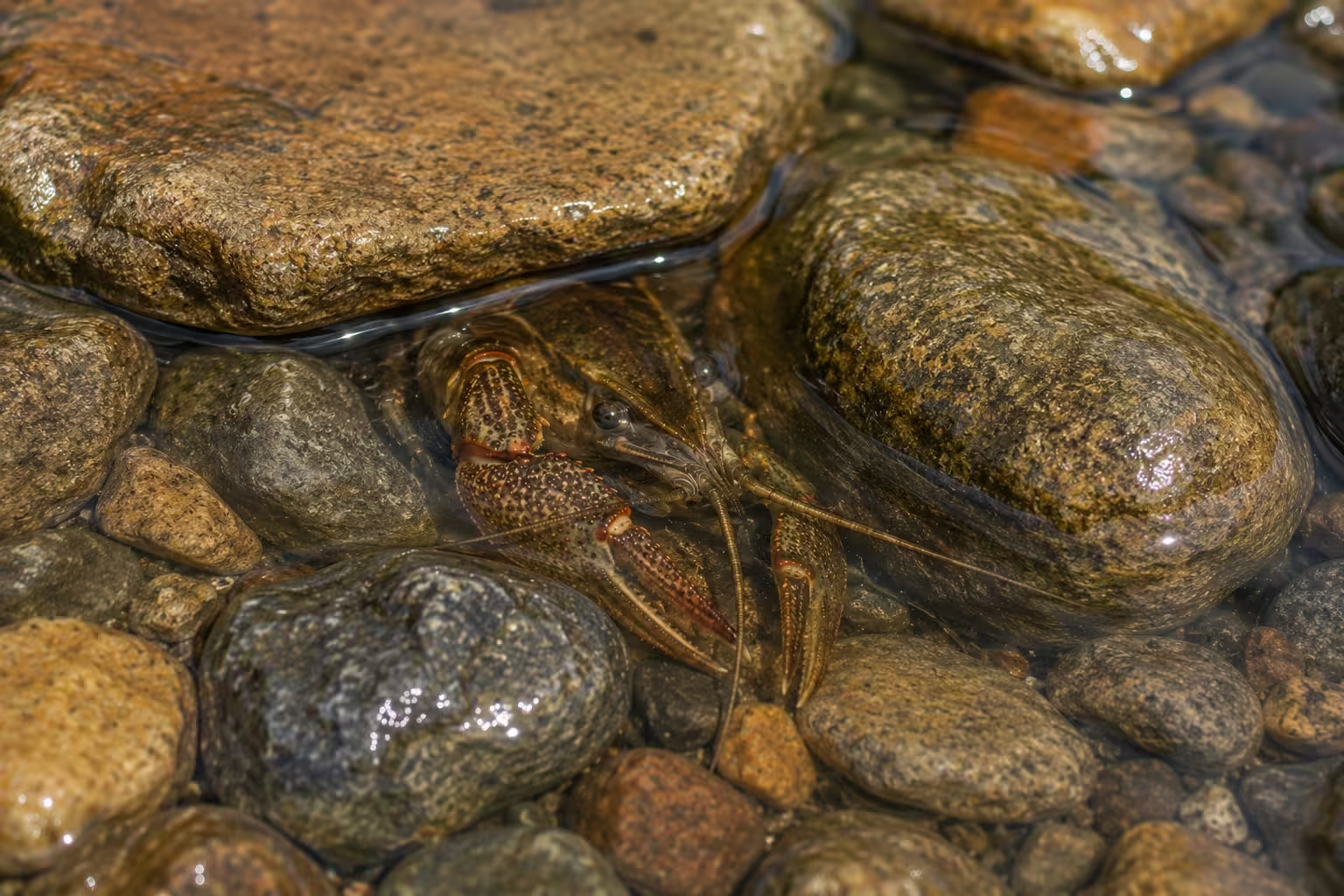
Crawfish are genuine, common trout prey in the streams, rivers, and lakes this bait is built for — a crawfish-scented bait is about as close as scent gets to matching an actual, everyday food source.
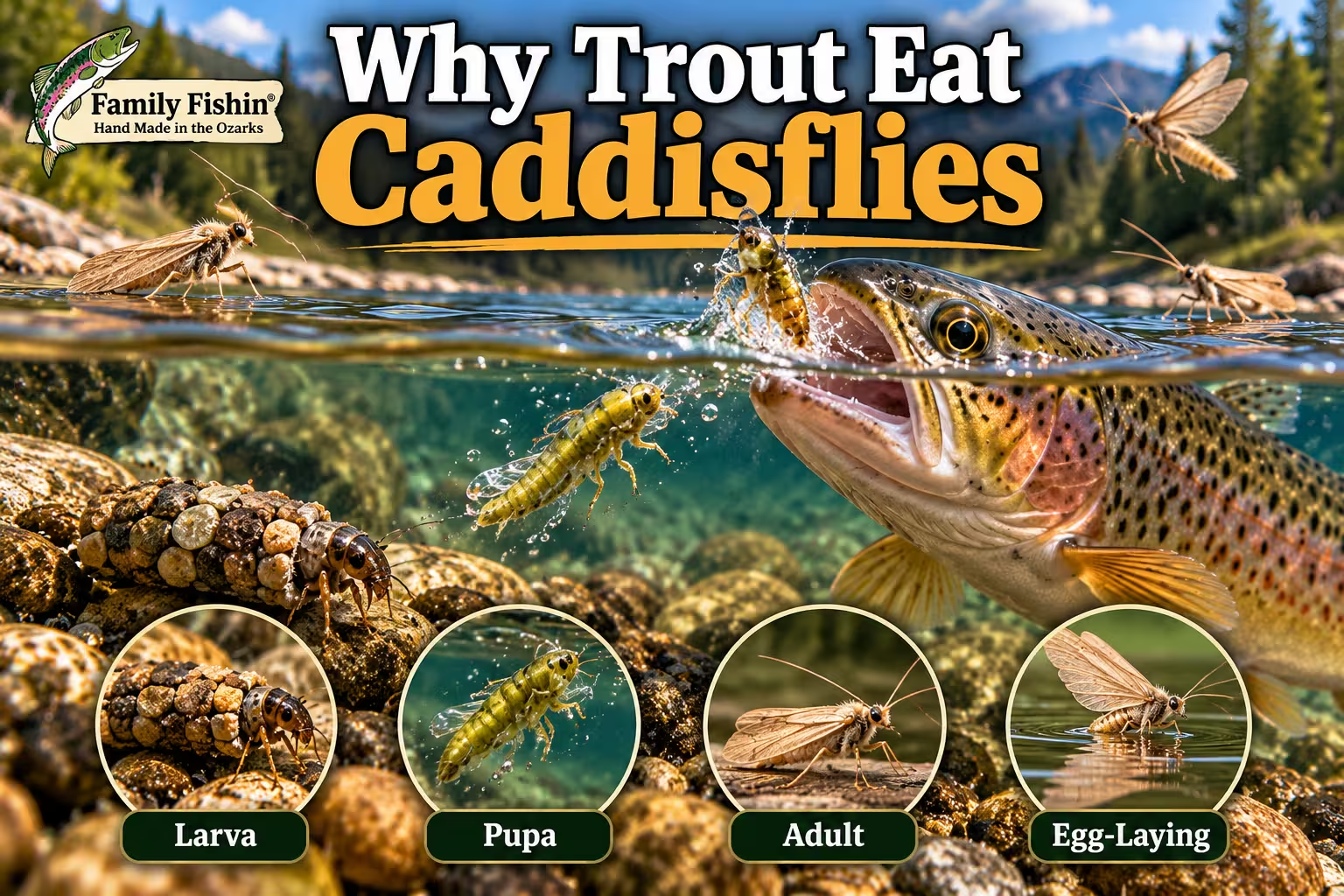
Shrimp, in the sense of true marine shrimp, aren’t part of a freshwater trout’s natural environment. But freshwater scuds — small crustaceans that are a documented, significant part of a stream trout’s diet — share the same broad amino acid chemistry (glycine, betaine) as marine shrimp, since both are crustaceans. So while “shrimp” itself is a borrowed identity the way watermelon or cappuccino is, shrimp oil’s underlying chemistry plausibly overlaps with a genuine natural food source (scuds) more closely than a pure novelty flavor does — a middle ground between fish oil’s direct match and a purely synthetic flavor.
Common mistake: treating crawfish and shrimp oil as interchangeable “crustacean scent.” They share a chemical family, but crawfish is a direct natural-prey match for stream and river trout, while shrimp’s relevance depends on whether scuds or similar freshwater crustaceans are active in that specific water.
5.Texture and the Gustatory Step
Crustacean shell contains chitin, the structural material that also makes up insect exoskeletons. It doesn’t carry a scent signal of its own, but it’s part of why a genuine crawfish or scud has a specific texture and resistance when a trout mouths it — a factor in the taste-and-hold step covered in the garlic post, separate from the chemical scent trail itself. This is one more reason bait shape and texture matter alongside scent: a soft plastic built to mimic a crawfish’s profile gives the gustatory system something consistent to confirm, on top of the amino acid chemistry doing the initial detection work.
6.All Five Scent Categories, Side by Side
| Where each scent category gets its effectiveness | |||
| Category | Examples | Dominant chemistry | Natural signal? |
| Carrier aromatic | Garlic, anise | Sulfur compounds / anethole | No |
| Baitfish signal | Fish oil | Trimethylamine, omega-3 fatty acids | Yes — baitfish |
| Crustacean signal | Crawfish oil, shrimp oil | Glycine, betaine, astaxanthin | Yes for crawfish; partial overlap (scuds) for shrimp |
| Novelty flavor | Watermelon, wild berry, cappuccino | Esters, Maillard compounds | No |
7.Common Mistakes
- Treating crawfish and shrimp oil as one identical scent rather than two different strengths of natural-signal claim
- Ignoring the color connection — astaxanthin is the one scent chemistry in this series with a natural, matching visual cue worth pairing intentionally
- Using crustacean scent in open water with no rock, gravel, or structure where crawfish or scuds would actually live
- Overlooking bait shape as part of the presentation — crustacean scent paired with a non-crustacean-shaped bait loses the gustatory confirmation step that shape and texture provide
- When used around rocks, gravel, and other crustacean habitat, crawfish and shrimp oil for trout provides one of the closest scent matches to a trout’s natural prey.
Key Takeaways
- Crustacean tissue (crawfish, shrimp) runs on different dominant chemistry than fish tissue: glycine and betaine rather than trimethylamine
- Betaine is one of the most well-documented feeding-stimulant compounds in fish research, and crustacean oils carry it naturally at high concentration
- Astaxanthin, the pigment behind crustaceans’ reddish-orange color, is the one scent chemistry in this series with a built-in, matching visual signal
- Crawfish is a genuine natural trout food source; shrimp’s relevance leans on chemical overlap with freshwater scuds rather than shrimp itself being native
- Pairing crustacean scent with a crustacean-shaped bait and a natural reddish or orange tone lines up scent, texture, and color into one consistent signal
Frequently Asked Questions
Does crawfish and shrimp oil for trout improve catches?
Yes, and with strong natural-signal backing — crawfish are a genuine, common food source for stream and river trout. Crawfish oil carries glycine and betaine, both well-documented feeding-stimulant compounds, at naturally high concentration from real crustacean tissue.
Is shrimp oil a natural food source for trout?
Not directly — true marine shrimp aren’t part of a freshwater trout’s environment. But shrimp oil’s underlying chemistry (glycine, betaine) overlaps closely with freshwater scuds, small crustaceans that are a real, documented part of a stream trout’s diet, so the chemistry is more relevant than the “shrimp” label alone suggests.
What is betaine, and why does it matter for fishing scent?
Betaine is a compound closely related to the amino acid glycine, found at high concentrations in crustacean tissue. It’s one of the most consistently documented feeding-stimulant compounds in fish feeding research, working through the same taste-confirmation system covered in our garlic scent chemistry post.
Why does crawfish scent pair especially well with certain lure colors?
Crawfish and shrimp tissue contain astaxanthin, a reddish-orange pigment. Since that color and that scent occur together in nature, pairing a crawfish-scented bait with a natural orange, root beer, or reddish tone lines up the chemical and visual signals a trout would encounter together with real prey.