Best Trout Worm Colors for Stocked Trout (Clear Water & Pressure Guide)
Best trout worm colors for stocked trout change with water clarity and fishing pressure — the shade that produced on stocking day often isn’t the shade that produces a week later.
Best Trout Worm Colors for Stocked Trout, by Condition
Stocked trout behave differently than wild fish. They’re raised on feed, dumped into pressured water, and immediately exposed to artificial lures. Because of that, color selection becomes more predictable — and more important.
Why Color Matters More for Stocked Trout
Stocked trout are conditioned to look up and react quickly, often feed in open water, and can become lure-shy within days. Unlike wild trout that key heavily on natural forage, stocked fish often react to flash, UV brightness, high contrast, and familiar pellet-like tones. Color choice can determine whether you get follows or actual commitments.
Best Trout Worm Colors in Clear Water
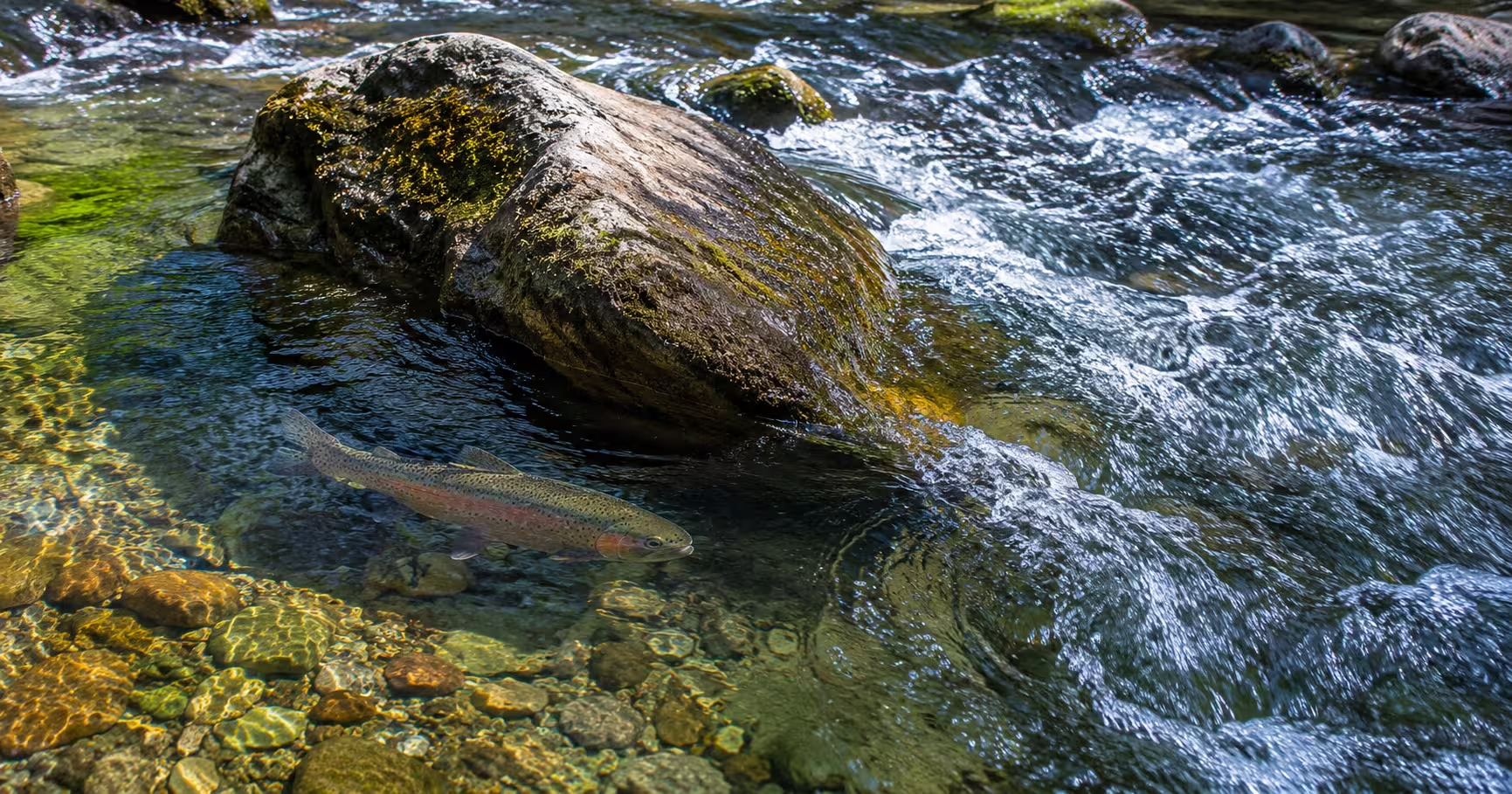
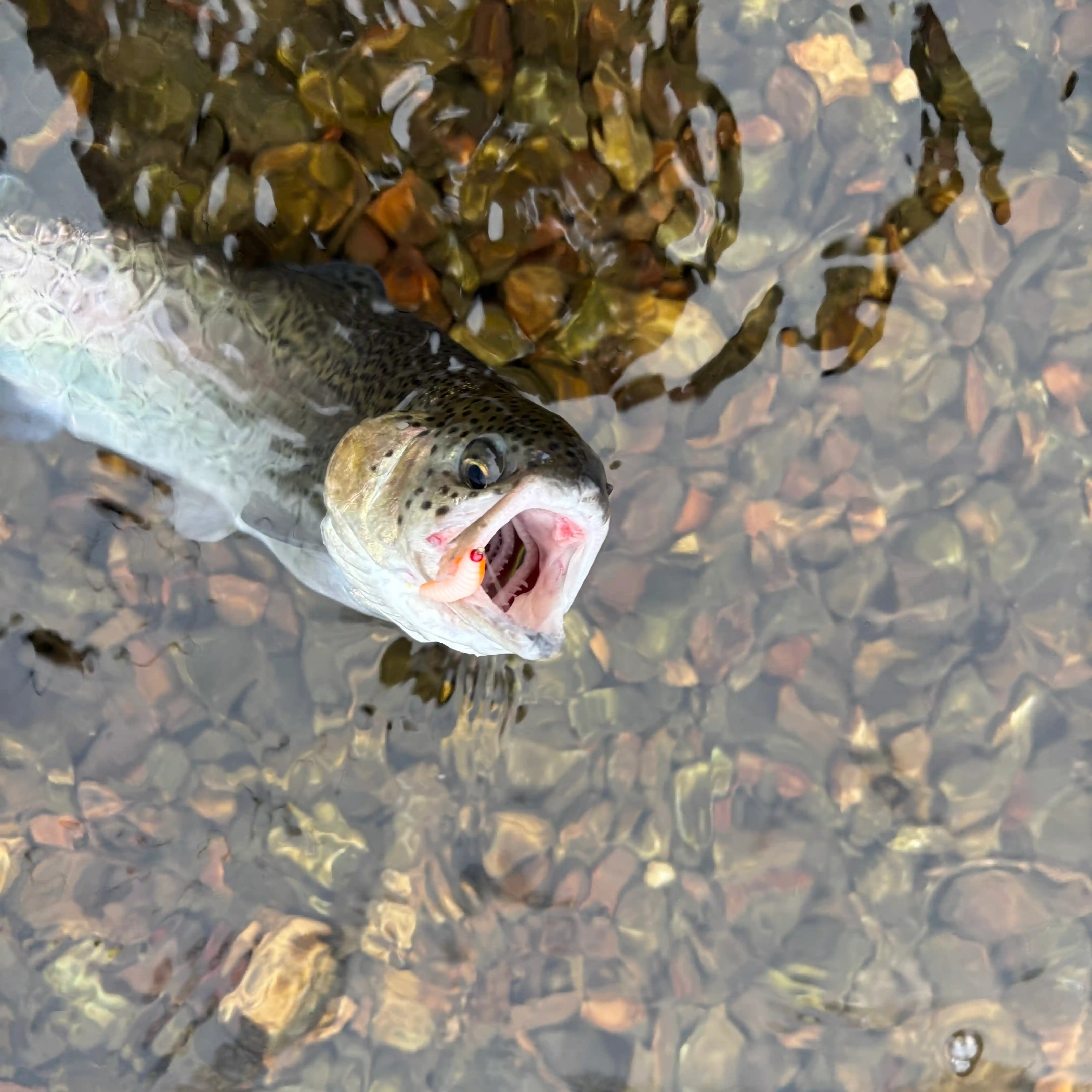
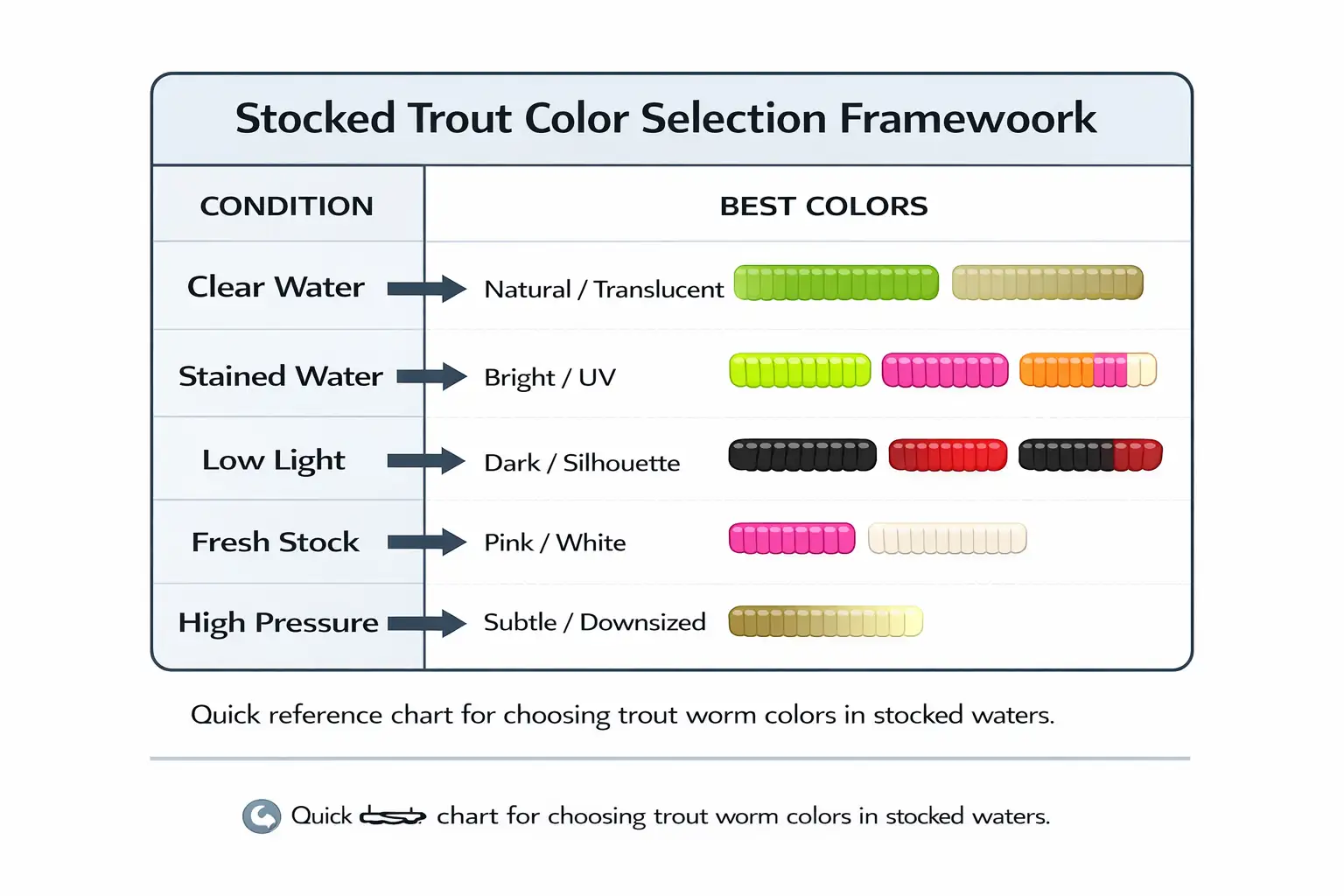
In freshly stocked, clear ponds or streams, trout can see extremely well. Top Colors: Pink, White, Peach, Light Natural (translucent brown or olive). Pink and white mimic hatchery feed visibility. Natural translucent tones resemble emerging forage. Light colors remain visible without overpowering cautious fish. If fish are cruising slowly, downsizing to subtle shades often increases bite-to-follow ratio.
Best Trout Worm Colors in Stained Water
After rain, runoff, or heavy fishing pressure, visibility drops. In low visibility, contrast becomes more important than exact shade — fish detect silhouette before fine color detail. Top Colors: Chartreuse, Orange, Bright Pink, Two-tone contrast (orange/white or chartreuse/white). Chartreuse and orange create short-wave brightness. Two-tone worms provide contrast and flash. Subtle natural tones often disappear in stained conditions.
Low-Light & Cold-Water Conditions
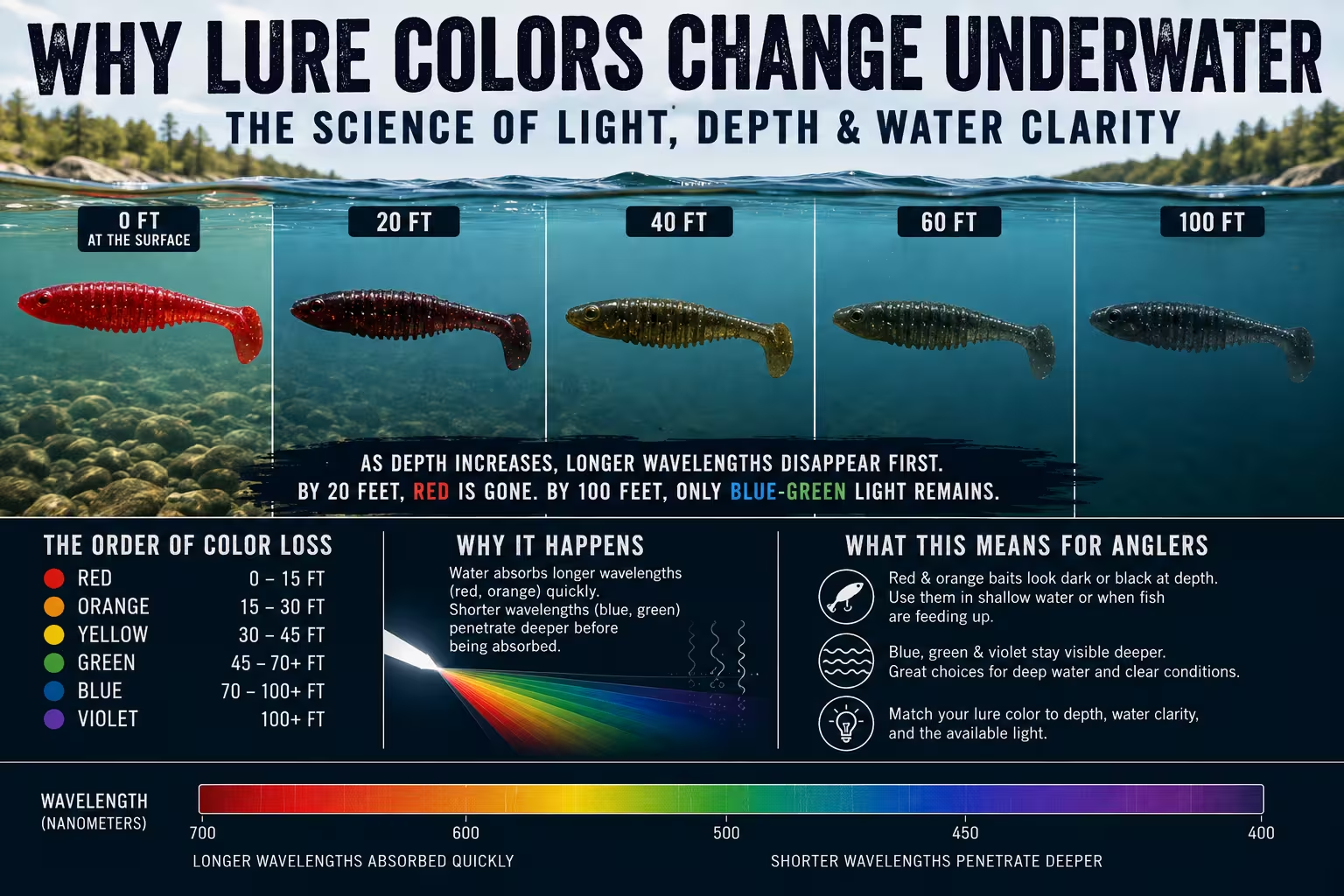
Top Colors: Black, Nightcrawler brown, Red, Black/Red two-tone. Dark silhouettes stand out against the surface. Red penetrates shallow water well before fading at depth. Two-tone combinations add reaction contrast. When fish are lethargic, silhouette matters more than flash.
How Pressure Changes Color Preference
- Day 1–2 after stocking: Bright pink and white dominate
- Day 3–5: Fish begin rejecting loud colors — natural and translucent shades improve
- After heavy pressure: Contrast and subtle presentation outperform aggressive brightness
Rotating colors instead of changing lure profile often keeps bites steady.
Quick Color Selection Framework
- Start bright in fresh stocking or stained water
- Switch to natural tones if fish follow but don’t commit
- Use dark silhouette colors in low light
- Rotate every 10–15 casts if activity slows
Most anglers change location too quickly — often the fix is a color adjustment first.
The Pattern
- Bright for visibility
- Natural for pressure
- Dark for silhouette
- Two-tone for contrast
Understanding when to rotate between those categories is what separates random luck from consistent production. → See the complete trout fishing system
Frequently Asked Questions About Trout Worm Colors
What’s the single best color to start with for stocked trout?
A natural tone like peach or white is a strong starting point in most clear-water trout park situations, since it closely matches hatchery pellets and natural forage without standing out as unnatural. From there, adjust toward brighter or darker tones based on water clarity and how fish respond.
Does color matter less once trout have been pressured?
Color still matters, but it often becomes less forgiving — pressured trout that have seen the same bright colors repeatedly tend to respond better to more natural, subtle tones. Pressure changes what “the right color” means more than it removes color from the equation entirely.
Should I switch colors before switching bait size or style?
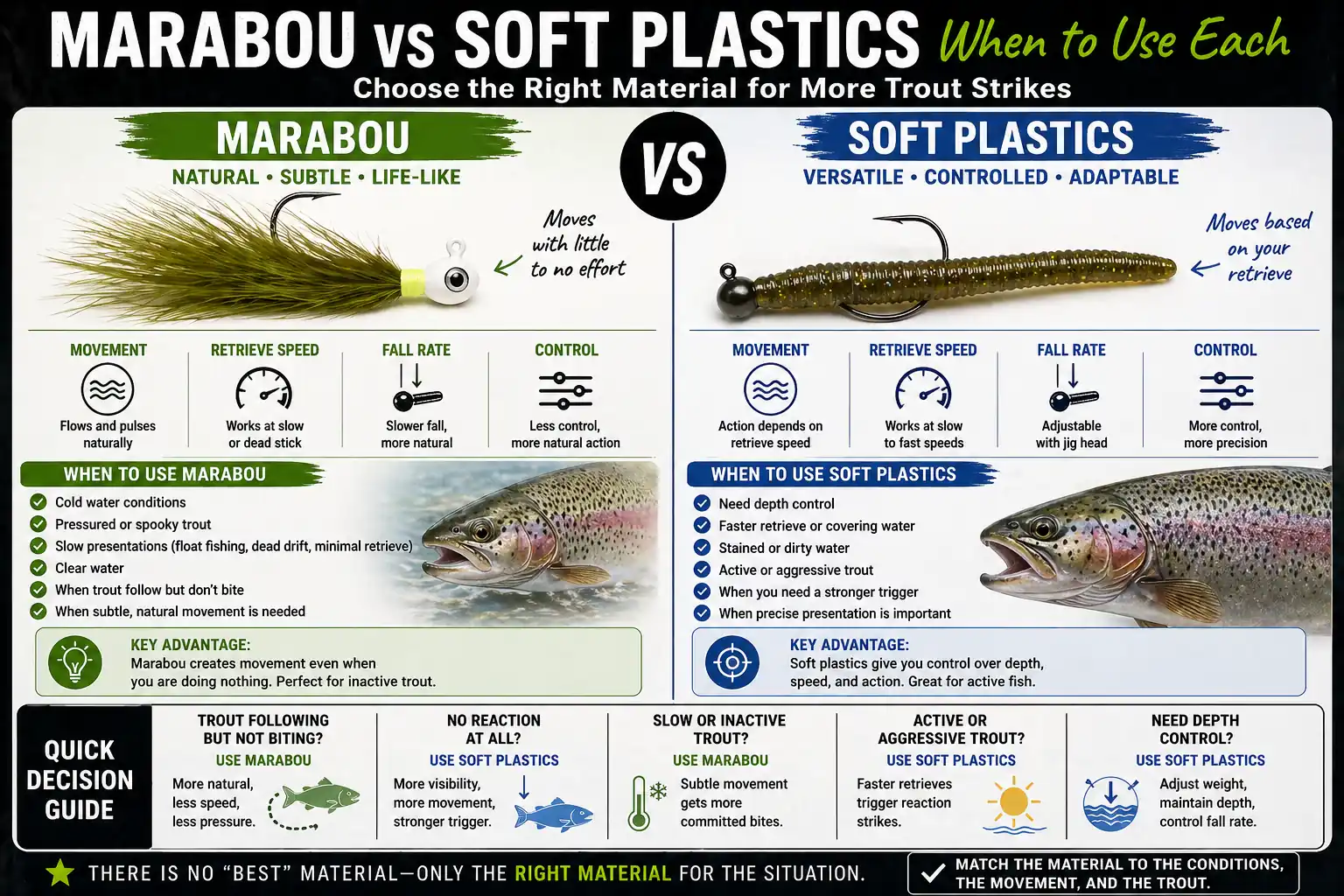
Not necessarily first — if trout are following without striking, size, fall rate, and movement are usually the bigger levers to pull before color. Color is one part of a complete presentation, not a fix for every kind of refusal.
Do brighter colors work better in the morning versus midday?
Low light in early morning can favor slightly higher-contrast colors since visibility is reduced, while bright midday sun in clear water often favors more natural, subdued tones since trout can see and inspect bait more easily. Testing both across a session helps confirm which is working that day.
Is it worth carrying multiple colors, or is one versatile shade enough?
Carrying a small range — a natural tone, a brighter option, and a darker option — covers most conditions you’ll encounter without overcomplicating your tackle. Relying on just one color means you have no adjustment available when conditions or fish behavior change mid-session.
Does color choice change once stocked trout become established?
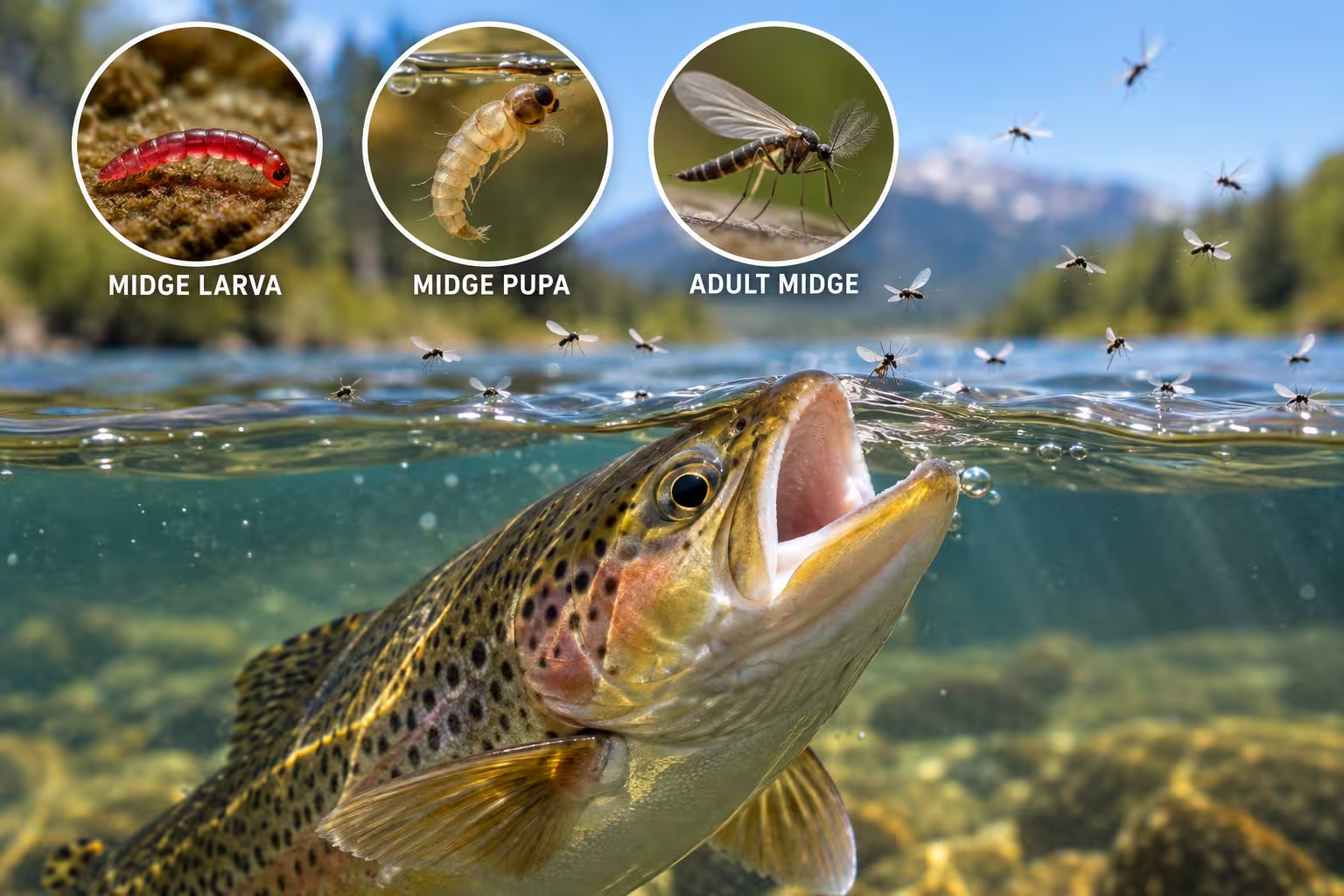
As trout settle in and shift toward natural forage, matching real prey coloring — rather than picking a color simply because it’s visible — tends to matter more. Established trout have had time to become more selective, so a natural, forage-matched color often outperforms a purely attention-grabbing one.
What color works best in stained or muddy water?
Brighter, higher-contrast colors like chartreuse or orange tend to perform better in stained water, since visibility matters more than subtlety once clarity drops. Trout need to find the bait before they can evaluate it, and a bold color helps with that first step.