Fishing Hook Anatomy, Sizes, Types, and Terminology Explained
Fishing hooks are one of the most important parts of any fishing setup, yet many anglers overlook how hook design directly affects presentation, hook-up ratios, bait movement, and landing percentage. Understanding fishing hook anatomy and terminology helps anglers choose the right hook for trout fishing, bass fishing, fly fishing, live bait rigs, soft plastics, and ultralight finesse presentations.
Different hook styles are designed for different techniques. A hook used for drifting trout worms in current behaves very differently than a heavy flipping hook used for bass fishing. Small changes in hook wire diameter, gap width, bend shape, or shank length can dramatically change how a bait performs underwater.
Whether fishing with live bait, soft plastics, flies, or artificial lures, learning the basic parts of a fishing hook makes selecting the right setup much easier.
Fishing Hook Anatomy and Terminology
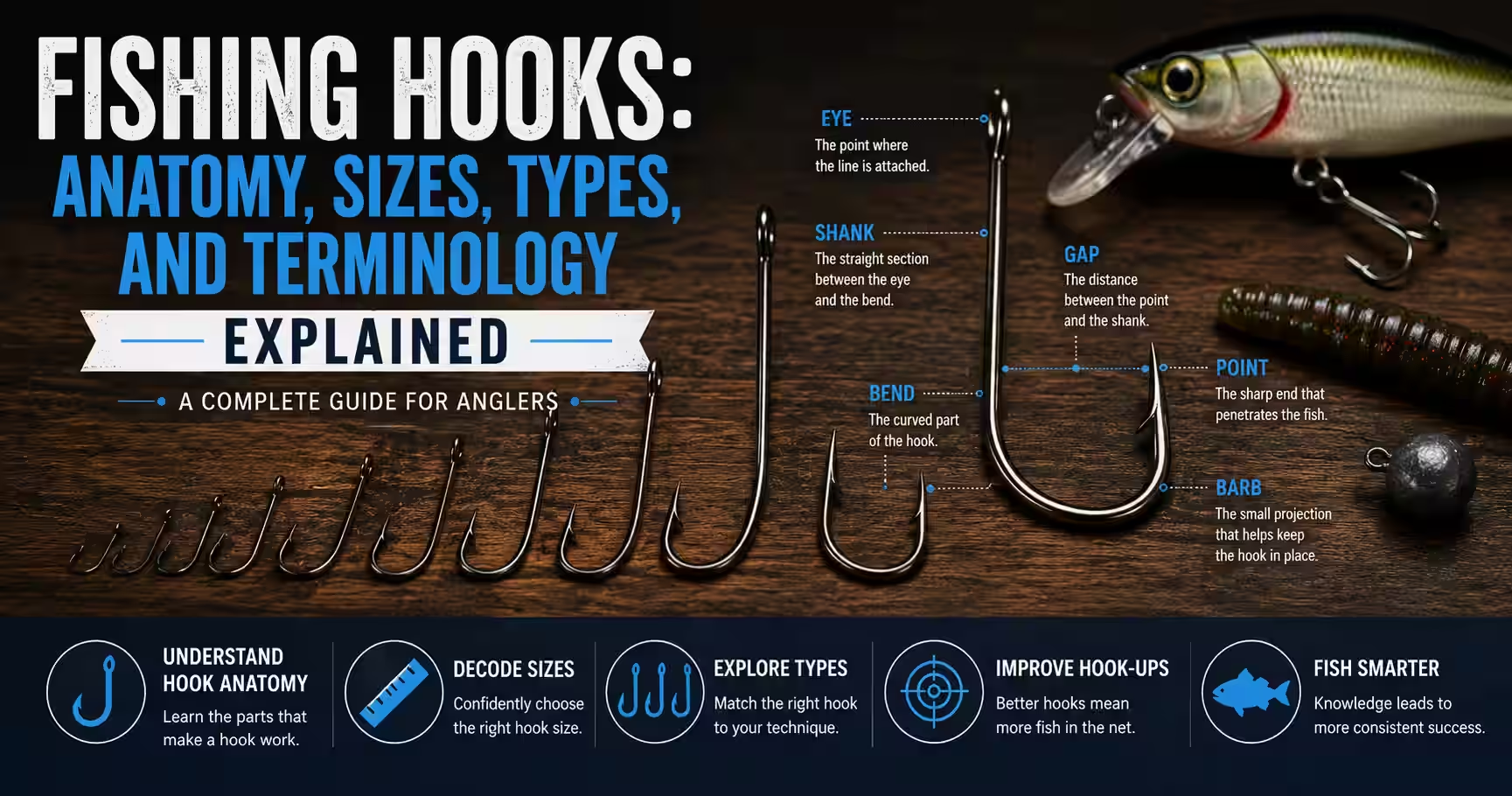
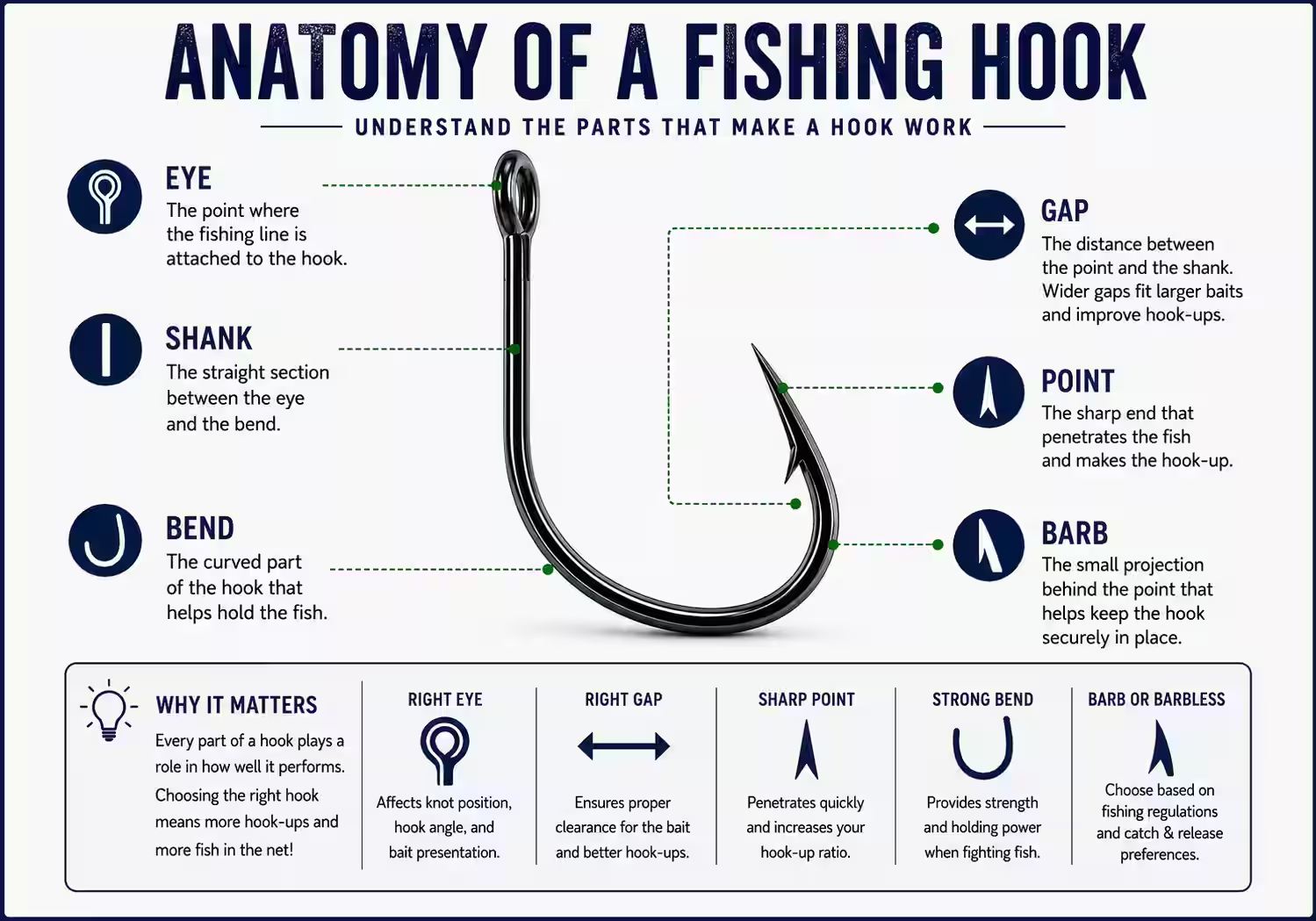
Understanding fishing hook anatomy helps anglers choose the correct hook for specific fishing situations. Every section of a hook, including the eye, shank, bend, gap, point, and barb, affects presentation, hook penetration, holding power, and overall fishing performance. Learning the function of each component makes it easier to select the right hook for trout fishing, bass fishing, fly fishing, live bait rigs, and soft plastic presentations.
Parts of a Fishing Hook
Detailed fishing hook anatomy chart explaining the main parts of a fishing hook and how each section affects performance.
Parts of a Fishing Hook
Hook Eye
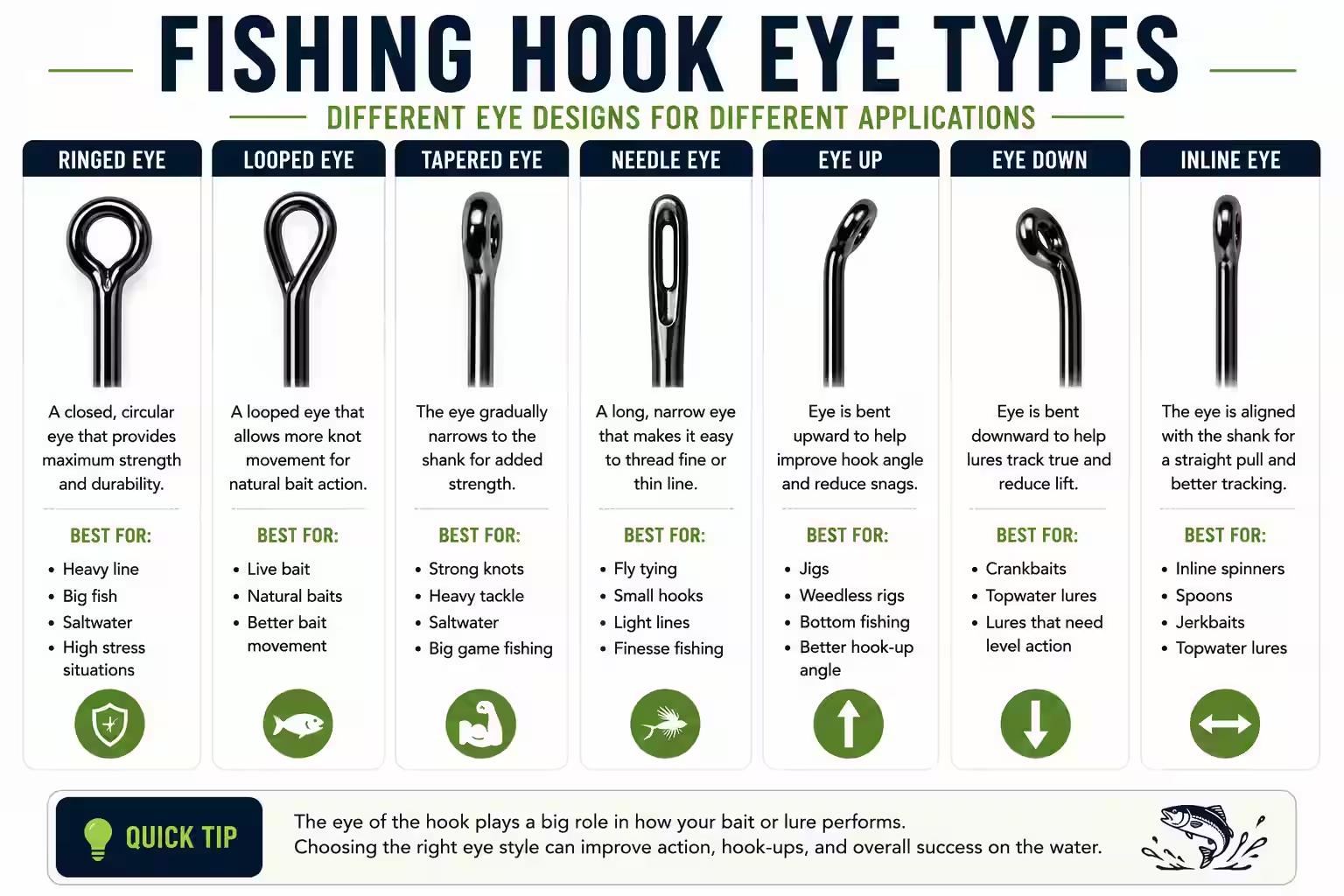
The eye is the connection point where fishing line attaches to the hook. Different eye styles affect knot position, hook angle, bait presentation, and how the hook moves through the water.
Common hook eye styles include:
Eye Down
An eye-down hook angles slightly toward the hook point. This style is commonly used for bait fishing and improves hook-setting leverage with certain knots.
Eye Up
An eye-up hook angles away from the point. This design is common on fly hooks and some live bait hooks because it helps maintain straighter line alignment.
Straight or Inline Eye
An inline eye stays centered with the hook shank. This creates a straight pull and is commonly used for finesse presentations and ultralight fishing techniques.
Looped Eye
Looped eyes are commonly found on wet fly hooks and traditional fly tying hooks. The added material slightly changes weight distribution and profile.
Tapered Eye
A tapered eye gradually narrows into the shank. This design reduces bulk and is commonly used on dry fly hooks where weight reduction matters.
Hook Shank
The shank is the straight section located between the eye and the bend. Shank length and shape affect bait profile, leverage, hook penetration, and presentation.
Straight Shank
Straight shank hooks provide a clean, simple profile and work well for worms, minnows, and many artificial presentations.
Curved Shank
Curved shank hooks create a different bait angle and are commonly used for certain soft plastic rigs and specialty hooks.
Offset Shank
Offset shanks slightly reposition the hook point to improve hook-up ratios with soft plastics and thicker-bodied baits.
Extra-Long Shank
Longer shanks are commonly used for live bait, trout worms, and species with smaller mouths because they make hook removal easier while increasing bait profile length.
Hook Bend
The bend is the curved section between the shank and hook point. Bend shape influences hook penetration, holding power, and overall presentation.
Round Bend
Round bends provide strong hook penetration and are commonly used for live bait and finesse fishing.
Wide Gap
Wide gap hooks increase hook clearance for soft plastics and bulky baits, improving hook-up ratios during aggressive strikes.
Kahle Bend
Kahle-style bends create wider hook angles and are commonly used with live bait and catfish rigs.
Sproat Bend
Sproat bends slightly modify the traditional round bend for improved holding strength while maintaining good penetration.
Sickle Bend
Sickle bends use a sharper angled bend that helps improve hook retention and landing percentage on jigs and finesse presentations.
Hook Gap
The hook gap is the distance between the hook point and shank. Gap size directly affects hooking efficiency.
Smaller gaps work well for finesse fishing and smaller baits, while larger gaps perform better with thicker soft plastics and larger live bait presentations.
A gap that is too small may prevent proper hook penetration. A gap that is too large can negatively affect bait presentation or increase snagging.
Hook Point Types
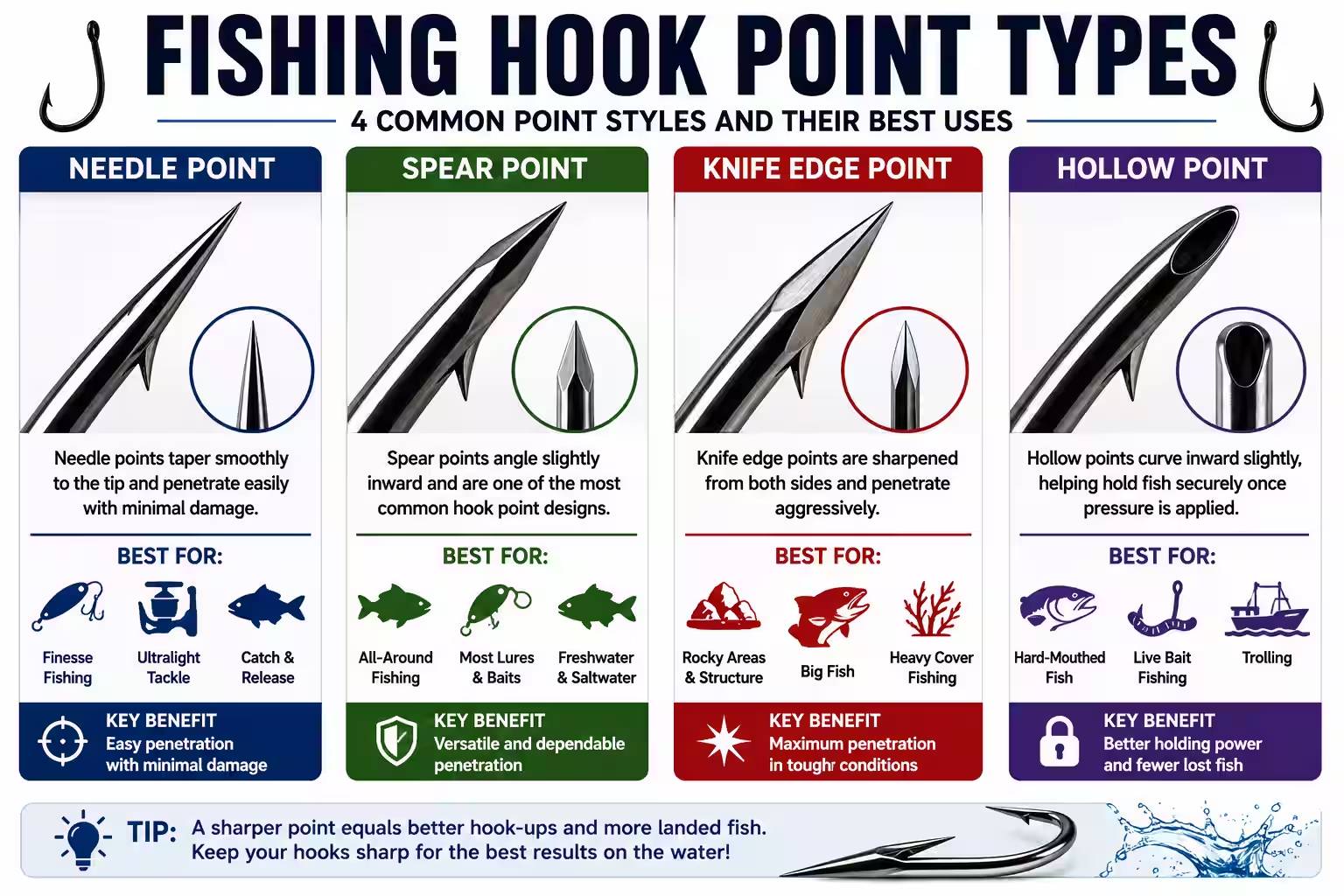
The hook point is responsible for penetrating the fish’s mouth. Different point styles affect penetration speed, durability, and sharpening characteristics.
Needle Point
Needle points taper smoothly toward the tip and penetrate easily with minimal damage. These are excellent for finesse and ultralight fishing.
Spear Point
Spear points angle slightly inward and are one of the most common hook point designs available.
Knife Edge Point
Knife edge points sharpen from both sides and penetrate aggressively. These are extremely sharp but may dull faster around rock or hard structure.
Hollow Point
Hollow points curve inward slightly, helping hold fish securely once pressure is applied.
Hook Barbs
Barbs help prevent fish from throwing the hook during fights.
Barbed Hooks
Traditional barbed hooks offer strong holding power and are widely used across most fishing styles.
Micro-Barb Hooks
Micro-barb hooks reduce fish damage while still improving hook retention compared to fully barbless hooks.
Barbless Hooks
Barbless hooks penetrate easily and remove cleanly, making them popular for catch-and-release fishing and regulated trout waters.
Understanding Fishing Hook Sizes
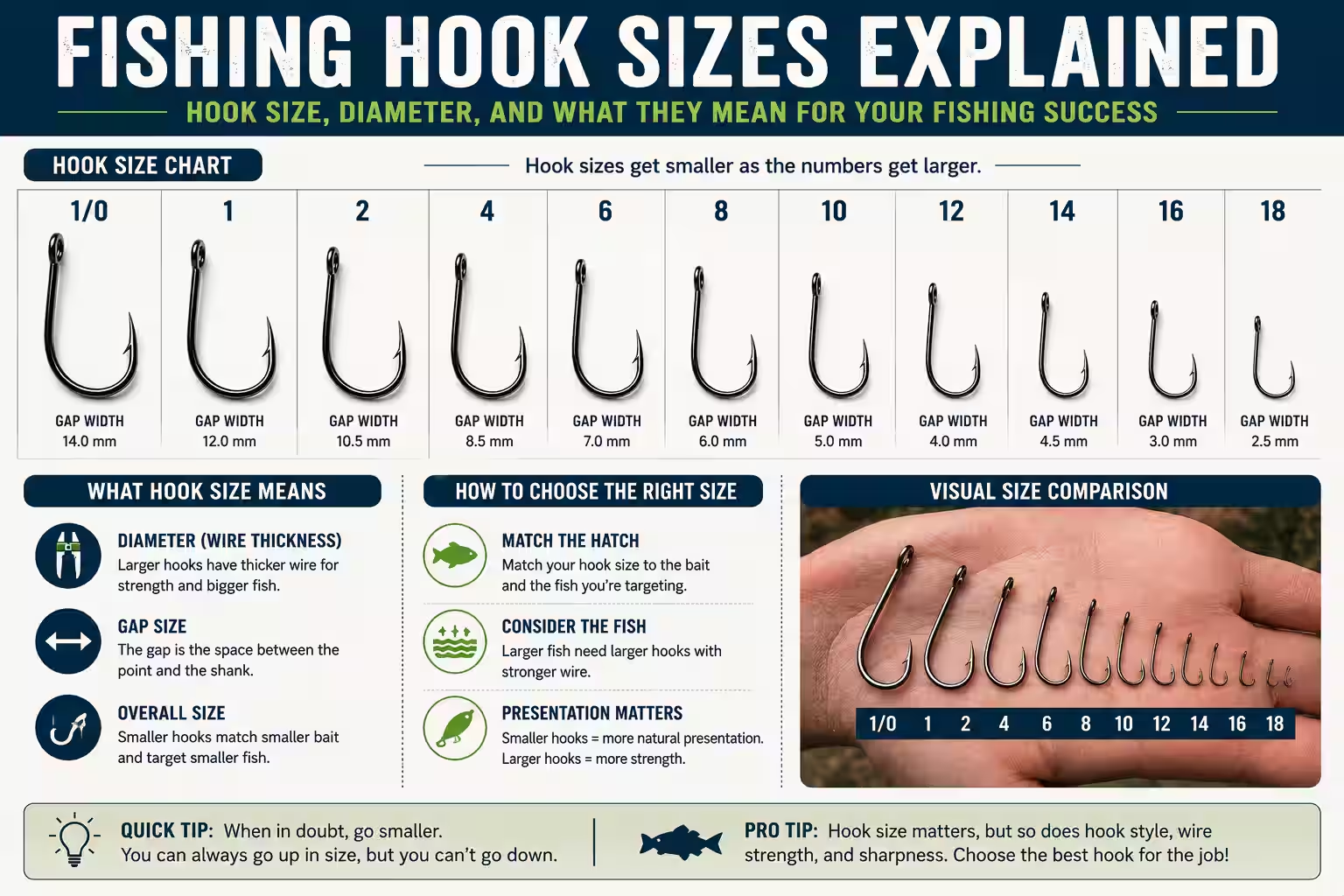
Important: There is no true industry-wide standard for fishing hook sizing. A size #10 hook from one manufacturer may differ slightly in gap width, wire diameter, shank length, or overall proportions compared to a size #10 from another brand. Always compare actual hook dimensions and intended applications rather than relying only on the printed size number.
Fishing hook sizing often confuses beginners because smaller numbers actually represent larger hooks.
For example:
- A size #6 hook is larger than a size #10 hook
- A size #2 hook is larger than a size #6 hook
Once sizing reaches #1, the system changes to “aught” sizing:
- 1/0 is larger than #1
- 2/0 is larger than 1/0
- 5/0 is larger than 2/0
The higher the aught number, the larger the hook becomes.
Unfortunately, there is no universal hook size standard between manufacturers. A #10 Aberdeen hook from one company may vary slightly from another brand.
What Do 1X, 2X, and 3X Mean?
The “X” rating describes modifications to hook wire thickness, shank length, or hook strength.
2X Long
A 2X long hook has a longer shank than standard hooks of the same size.
2X Strong
A 2X strong hook uses thicker wire for additional strength when targeting larger fish or fishing heavier cover.
Fine Wire Hooks
Fine wire hooks penetrate easily with light tackle and preserve natural bait movement during finesse fishing.
Heavy Wire Hooks
Heavy wire hooks resist bending under heavy pressure but require stronger hook sets.
Best Hook Types for Different Fishing Styles
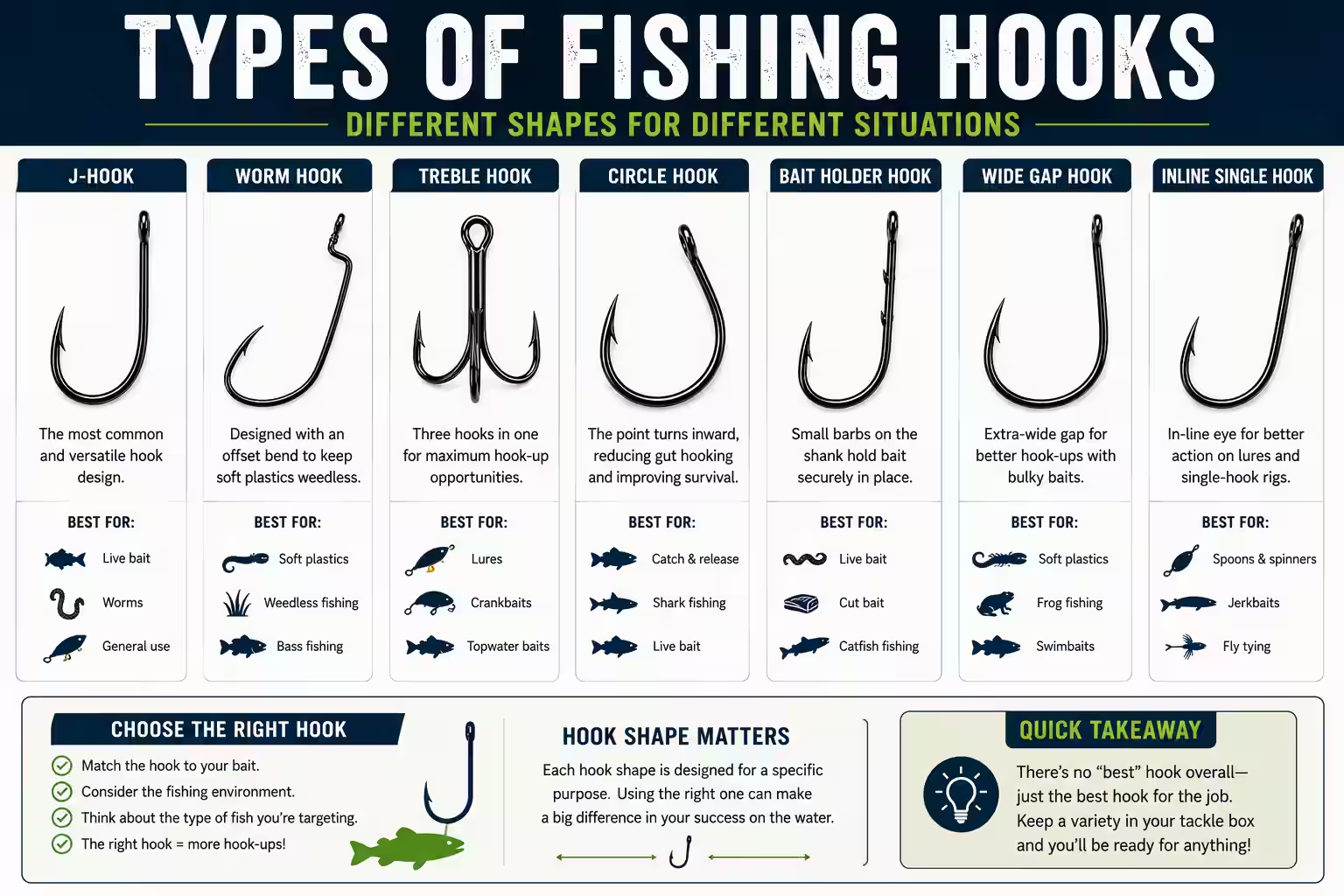
| Fishing Style | Common Hook Type |
|---|---|
| Trout worms | Aberdeen hooks |
| Soft plastics | EWG hooks |
| Fly fishing | Dry fly hooks |
| Live bait | Octopus hooks |
| Catfish | Circle hooks |
| Ultralight fishing | Fine wire bait hooks |
| Jig fishing | Jig hooks |
| Wacky rigs | Wide gap finesse hooks |
Common Beginner Hook Mistakes
Many beginner anglers lose fish because of simple hook selection mistakes.
Common issues include:
- using oversized hooks for finesse fishing
- selecting hooks with gaps too small for soft plastics
- using heavy wire hooks with ultralight tackle
- fishing with dull hook points
- ignoring knot alignment and hook angle
- matching the wrong hook style to the bait presentation
Proper hook selection often improves catch rates more than changing lure colors or retrieve speeds.
Frequently Asked Questions About Fishing Hooks
What hook size is best for trout fishing?
Smaller hooks such as #8, #10, and #12 are commonly used for trout fishing because they match smaller baits and finesse presentations naturally. Light wire hooks also improve bait movement and hook penetration with ultralight tackle.
What does 2X strong mean on a fishing hook?
2X strong means the hook uses thicker wire than a standard hook of the same size. Thicker wire increases strength and durability when targeting larger fish or fishing around heavy cover.
What is a hook gap?
The hook gap is the distance between the hook point and the shank. Wider gaps provide better clearance for soft plastics and thicker baits, while smaller gaps work well for finesse presentations and smaller live bait rigs.
Are barbless hooks better?
Barbless hooks are excellent for catch-and-release fishing because they reduce fish injury and remove easily. However, anglers must maintain steady pressure during the fight because barbless hooks can come loose more easily than barbed hooks.
Why are fishing hook sizes backwards?
Fishing hook sizes follow a traditional sizing system where smaller numbers represent larger hooks until reaching size #1. After that, the system changes to aught sizing such as 1/0, 2/0, and 3/0, where larger numbers indicate larger hooks.
What is the difference between bait hooks and fly hooks?
Bait hooks are typically designed for live bait, soft plastics, or natural presentations and often use heavier wire. Fly hooks are lighter and specifically designed to support artificial fly patterns used in fly fishing.
What is the best hook for soft plastics?
Wide gap hooks and EWG hooks are commonly used for soft plastics because they provide enough hook clearance to penetrate properly through thicker baits.
Do thicker hooks require harder hook sets?
Yes. Heavy wire hooks usually require more force to penetrate properly. Fine wire hooks penetrate easier and work better with ultralight rods, lighter lines, and finesse presentations.
What is an Aberdeen hook used for?
Aberdeen hooks are commonly used for trout fishing, panfish, live bait, and finesse soft plastic fishing. Their thin wire design allows natural bait movement and excellent hook penetration with light tackle.
What hook shape holds fish best?
Wide gap and round bend hooks generally provide strong holding power when matched correctly to the bait and fishing style. Proper hook size and hook penetration matter more than hook shape alone.
Final Thoughts
Understanding fishing hook anatomy, hook sizes, and hook terminology helps anglers make better decisions on the water. Small differences in hook shape, wire thickness, gap size, and bend style can dramatically affect presentation, penetration, and landing percentage.
Whether fishing trout worms, live bait, flies, or soft plastics, choosing the correct hook for the situation improves bait performance and increases consistency across changing water conditions.
Frequently Asked Questions About Fishing Hooks
What are the main parts of a fishing hook?
The main parts of a fishing hook are the eye, shank, bend, gap, point, and barb. Each section affects bait presentation, hook penetration, holding power, and overall fishing performance.
How do fishing hook sizes work?
Fishing hook sizes become larger as the numbers get smaller. For example, a #6 hook is larger than a #10 hook. After size #1, hooks switch to aught sizing, where 1/0, 2/0, and 3/0 become progressively larger.
What is the difference between a wide gap hook and a standard hook?
Wide gap hooks provide more space between the hook point and shank, making them ideal for soft plastics and thicker baits. Standard hooks often work better for live bait, trout fishing, and finesse presentations where a slimmer profile is preferred.
What does 2X strong mean on a fishing hook?
A 2X strong hook uses thicker wire than a standard hook of the same size. Thicker wire increases strength and durability but typically requires more force to achieve proper hook penetration.
How do I choose the right fishing hook?
The best fishing hook depends on the bait, target species, and fishing technique. Consider hook size, gap width, wire thickness, shank length, and point style. Matching the hook to the presentation often has a greater impact on success than changing lure colors or retrieve speed.
About Family Fishin
Family Fishin is a family-owned fishing tackle company dedicated to designing, testing, and producing high-quality fishing lures — inspired by generations of fishing tradition and driven by a passion for innovation. Every product is developed with one goal in mind: helping anglers spend more time doing what they love, catching fish and creating memories on the water.