Best Baits and Techniques for Creek Fishing: What Actually Works and Why
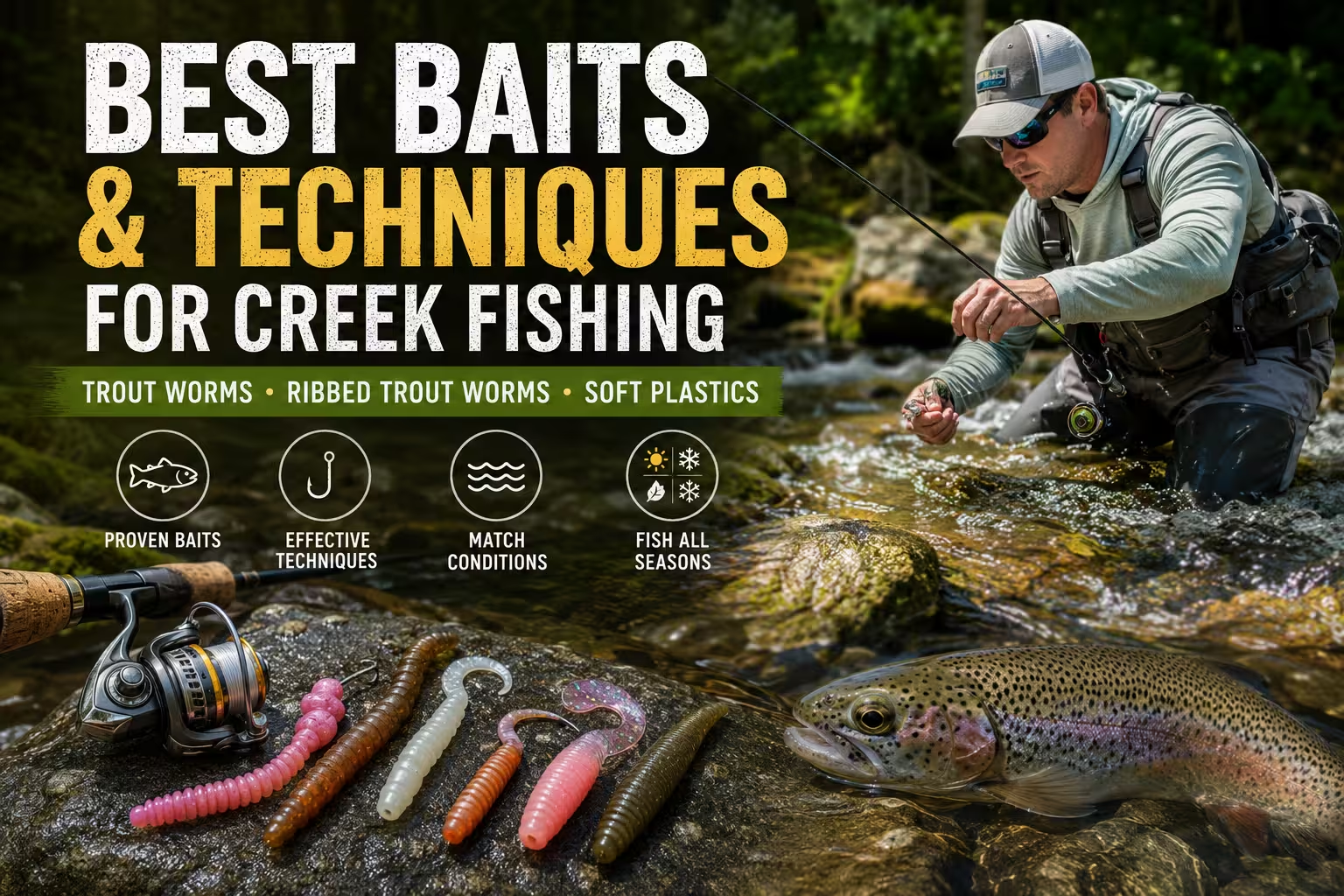
The best baits and techniques for creek fishing can make the difference between a slow day and a limit of trout. Small creeks offer excellent opportunities to catch rainbow trout, brown trout, and stocked trout, but success depends on choosing the right bait, gear, and presentation. In this guide, you’ll learn which trout worms, soft plastics, colors, and techniques consistently produce fish in creeks and small streams throughout the year.
This guide covers the best baits and techniques for creek fishing, including gear selection, seasonal patterns, water conditions, bait colors, and proven methods that consistently produce fish.
What Are the Best Baits and Techniques for Creek Fishing and Why Do They Matter?
Creeks are unique environments. Water is typically shallower, clearer, and faster moving than lakes or ponds. Fish have less time to inspect a bait, but they are also more cautious because they can see anglers more easily.
Choosing the right bait and technique matters because:
- Fish often have limited feeding windows.
- Water clarity can change rapidly.
- Current affects lure presentation.
- Creek fish are frequently pressured.
- Natural forage varies throughout the year.
Successful creek anglers focus on matching their bait, retrieve speed, and presentation to the current conditions.
The most effective creek baits include:
- Trout worms
- Ribbed trout worms
- Small soft plastics
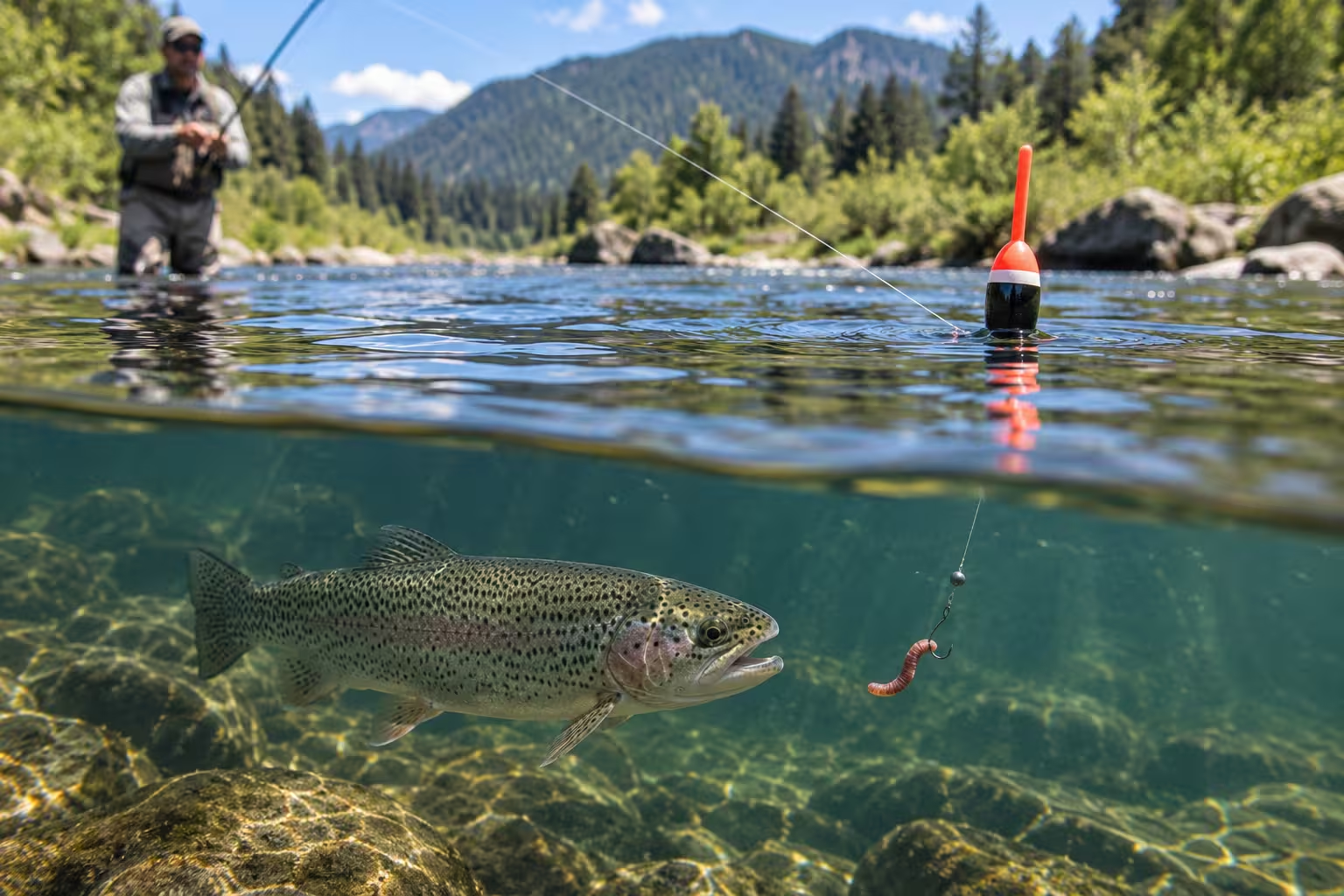
- Live worms
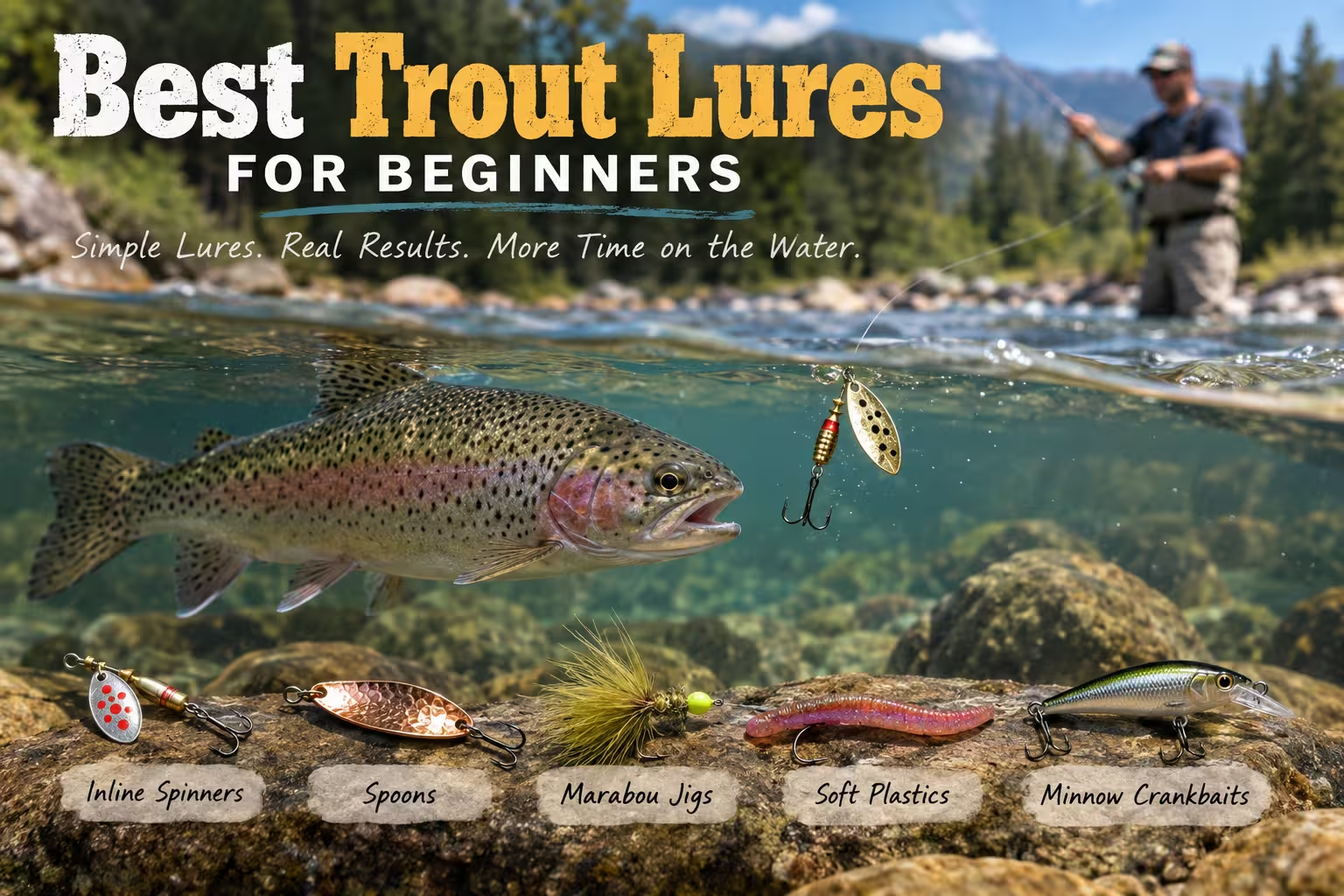
- Small inline spinners
- Jigs
- Natural insect imitations
Best Conditions for Creek Fishing
Understanding water conditions dramatically improves success.
Clear Water
In clear water, fish can see extremely well.
Best choices:
- Natural-colored soft plastics
- Natural trout worms
- White soft plastics
- Small presentations
- Light line
Natural colors often outperform bright colors because fish have more time to inspect the bait.
Stained Water
Stained water provides additional cover for fish.
Best choices:
- Pink trout worms
- Chartreuse ribbed trout worms
- Larger profiles
- Slightly faster retrieves
Bright colors become more visible and help fish locate your bait.
Muddy Water
When visibility is poor:
- Use chartreuse
- Use pink
- Fish slower
- Focus on deeper pools
Fish rely more on vibration and visibility than realism.
Cold Water
Cold water slows fish metabolism.
Effective techniques:
- Slow retrieve
- Bottom bouncing
- Light jigging
- Dead drifting
Fish typically hold in deeper pools where current is reduced.
How to Set Up Your Gear for Creek Trout Fishing
Rod Selection
A 5’6″ to 6’6″ ultralight spinning rod is ideal for most creek trout fishing situations. The lighter action helps cast small trout worms, ribbed trout worms, and soft plastics while improving sensitivity and fight enjoyment.
Reel Selection
Choose a quality 500 to 1000 size spinning reel. Smaller reels balance ultralight rods better and provide plenty of line capacity for trout fishing while reducing overall weight.
Line Selection
For most creek trout fishing:
- 2 lb monofilament for highly pressured fish and clear water
- 3 lb monofilament as an all-around choice
- 4 lb monofilament when fishing around rocks, wood, or larger trout
Many experienced trout anglers prefer 2–4 lb line because thinner diameter line produces longer casts, more natural bait movement, and less visibility in clear water.ove stealth in clear water.
Terminal Tackle
Useful items include:
- Small split shot
- Size 6-12 hooks
- Jig heads
- Small swivels
Keep terminal tackle lightweight to maintain a natural presentation.
Step-by-Step: How to Fish Creeks Successfully
Step 1: Approach Quietly
Creek fish spook easily.
- Stay low.
- Avoid sudden movements.
- Wear natural colors.
- Walk carefully near the bank.
Many anglers scare fish before making their first cast.
Step 2: Read the Water
Focus on:
- Deep pools
- Undercut banks
- Current seams
- Log jams
- Eddies
- Pocket water
These areas concentrate fish.
Step 3: Cast Upstream
Upstream presentations appear more natural.
Allow the bait to drift naturally with the current.
Step 4: Control the Drift
Keep slight tension on the line while allowing the bait to move naturally.
This technique improves strike detection.
Step 5: Cover Water Efficiently
If no fish respond after several presentations:
- Move to the next pool.
- Change bait color.
- Change retrieve speed.
Productive anglers keep moving until they locate active fish.
Common Mistakes Anglers Make When Creek Fishing
Fishing Too Fast
Many anglers retrieve too quickly.
Creek trout often prefer:
- Slow retrieves
- Natural drifts
- Subtle action
Using Oversized Baits
Large lures frequently reduce strikes.
Small creeks generally favor:
- Small worms
- Compact soft plastics
- Small jigs
Ignoring Current Speed
Current directly affects lure action.
Adjust weight and retrieve speed to maintain a natural presentation.
Standing Too Close to the Water
Fish can detect movement easily in shallow environments.
Maintain distance whenever possible.
Best Creek Fishing Spots and Timing
Prime Locations
Look for:
Deep Pools
Fish rest here during bright daylight hours.
Undercut Banks
Provide shade and protection.
Current Seams
Food naturally concentrates along current transitions.
Log Jams
Offer security and ambush opportunities.
Pocket Water
Small pockets behind rocks often hold surprisingly large fish.
Best Time of Day
Early Morning
Often the most productive period.
Fish actively feed before sunlight intensifies.
Late Evening
Another peak feeding period.
Reduced light improves fish confidence.
Overcast Days
Fish frequently remain active throughout the day.
Best Baits and Techniques for Creek Fishing in Different Water Conditions
Water conditions often determine whether trout will aggressively feed or completely ignore your presentation. Matching your bait color, size, and retrieve speed to the conditions can dramatically increase your catch rate.
Clear Water Creek Fishing
Clear water is common in many trout streams and small creeks. Fish can easily inspect a bait, making natural presentations critical.
Best choices include:
- Natural trout worms
- Brown soft plastics
- White soft plastics
- Small ribbed trout worms
Use lighter line, make longer casts, and avoid sudden movements near the water. A slow retrieve or natural drift typically produces the most strikes.
Stained Water Creek Fishing
After light rain, creeks often develop a slight stain that can improve fishing by making trout feel more secure.
Effective baits include:
- Pink trout worms
- Chartreuse ribbed trout worms
- Bright soft plastics
Fish are generally more willing to move farther to intercept a bait in stained water, allowing slightly faster retrieves and more aggressive presentations.
Muddy Water Creek Fishing
Muddy conditions can be challenging, but trout can still be caught by increasing visibility and slowing down presentations.
Best options include:
- Chartreuse soft plastics
- Bright pink trout worms
- Larger ribbed trout worms
Focus on slower water near creek banks, eddies, and deeper pools where fish can conserve energy while waiting for food to drift by.
Cold Water Conditions
During winter and early spring, trout become less active and often hold close to the bottom.
Successful techniques include:
- Bottom bouncing
- Slow jigging
- Dead drifting soft plastics
- Slow presentations with trout worms
Patience is critical during cold-water periods. Many anglers retrieve too quickly and move their bait out of the strike zone before trout have time to react.
High Water vs. Low Water
High water pushes trout into protected areas such as current seams, behind rocks, and along creek banks. Low water generally makes fish more cautious and easier to spook.
During high water:
- Use brighter colors
- Fish slower water
- Target current breaks
During low water:
- Use natural colors
- Downsize baits
- Stay farther from the bank
- Make longer casts
Anglers who adjust their bait selection and presentation based on water conditions consistently catch more trout than those who rely on a single approach year-round
Color and Size Selection for Creek Fishing
Color selection should match water clarity and available forage.
Natural Colors
Best for:
- Clear water
- Pressured fish
- Bright conditions
Examples:
- Natural
- Brown
- Smoke
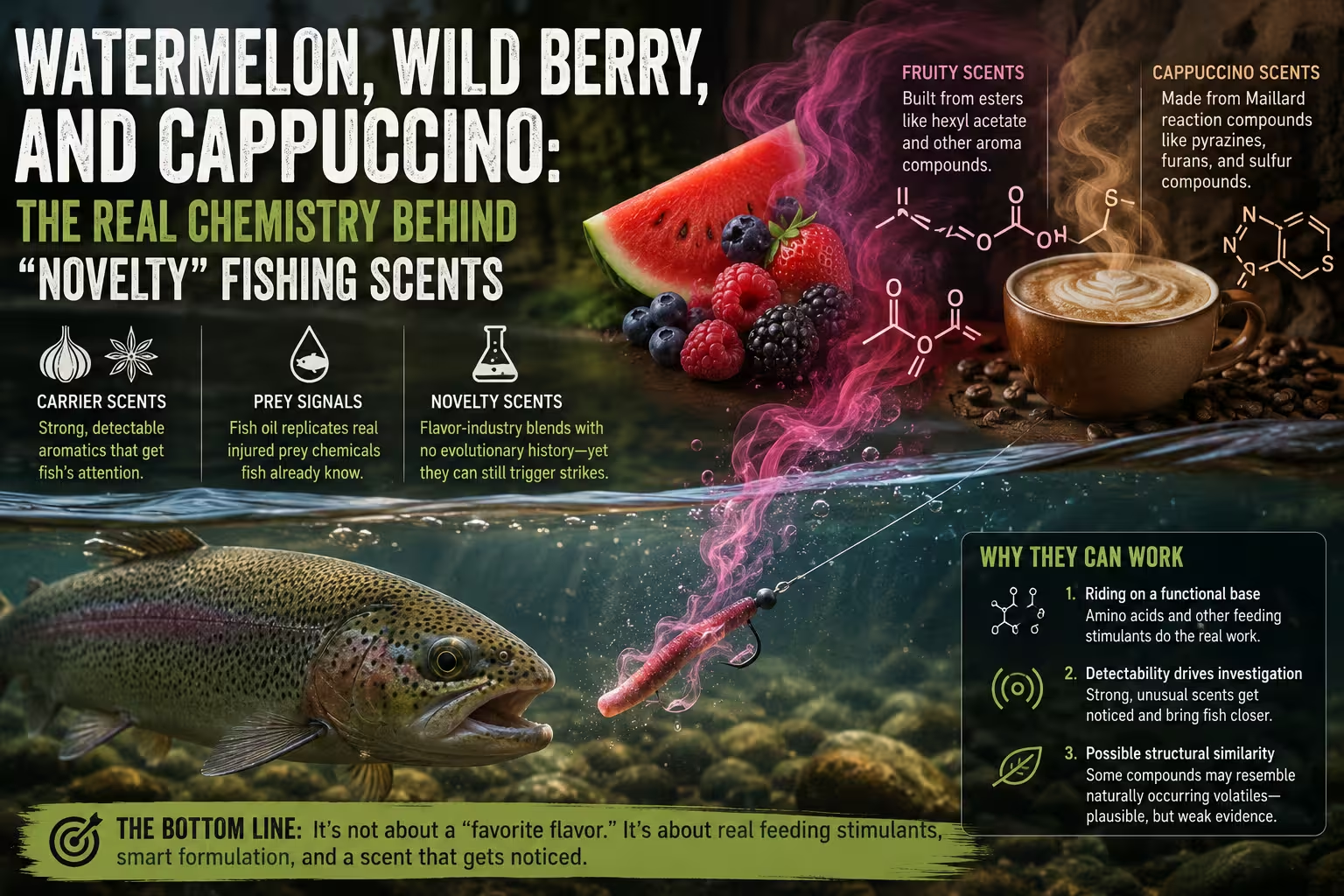
- Watermelon
White
White is highly versatile.
Effective for:
- Rainbow trout
- Stocked trout
- Slightly stained water
Pink
Pink often excels with stocked trout.
Particularly effective:
- Shortly after stocking
- In stained water
- During spring
Chartreuse
Chartreuse creates maximum visibility.
Best used:
- After rain
- In muddy water
- During low-visibility conditions
Size Selection
Smaller is usually better.
Recommended sizes:
- Trout worms: 2-4 inches
- Ribbed trout worms: 2-4 inches
- Soft plastics: 1.5-3 inches
Downsizing frequently increases strikes.
Seasonal Creek Fishing Strategies
Spring
Spring is often the most productive season.
Fish are actively feeding after winter.
Best options:
- Pink trout worms
- Natural worms
- Ribbed trout worms
Focus on moderate current areas.
Summer
Fish seek cooler water.
Target:
- Shade
- Deep pools
- Early morning
- Late evening
Natural colors often perform best.
Fall
Fish become aggressive before winter.
Excellent choices include:
- White soft plastics
- Natural trout worms
- Small jigs
Cover water aggressively.
Winter
Fish slow down significantly.
Use:
- Slow retrieves
- Bottom presentations
- Small soft plastics
Patience becomes critical.
Frequently Asked Questions About Creek Fishing
What is the best time of day for creek fishing?
Early morning and late evening generally produce the most consistent results because fish feel safer feeding under lower light conditions.
What hook size should I use for creek fishing?
For trout and other creek species, size 6 to size 12 hooks are effective depending on bait size and fish species.
Does water temperature affect creek fishing?
Yes. Cold water slows fish metabolism and requires slower presentations, while warmer water generally increases feeding activity.
What is the best color for creek fishing in clear water?
Natural colors typically perform best in clear water because they closely resemble natural forage and appear less threatening.
How deep should I fish in a creek?
Focus on the deepest available water, especially during bright daylight, cold fronts, or periods of heavy fishing pressure.
What is the difference between creek fishing and river fishing?
Creek fishing generally requires lighter tackle, stealthier approaches, smaller baits, and greater emphasis on accurate presentations.
Final Thoughts
The most successful creek anglers keep their approach simple. Light tackle, small baits, natural presentations, and attention to water conditions consistently outperform complicated setups.
For most creek situations, a natural-colored trout worm, ribbed trout worm, or small soft plastic fished with a slow, natural drift will catch rainbow trout, brown trout, and stocked trout throughout spring, summer, fall, and winter. Matching bait color to water clarity and adjusting retrieve speed to water temperature are often the difference between a slow day and a productive one.
About Family Fishin
Family Fishin is a family-owned fishing tackle company dedicated to designing, testing, and producing high-quality fishing lures — inspired by generations of fishing tradition and driven by a passion for innovation. Every product is developed with one goal in mind: helping anglers spend more time doing what they love, catching fish and creating memories on the water.