Stoneflies for Trout: Lifecycle, Behavior & Fishing Strategy
Stoneflies for trout are more than a riverbank bug—they signal clean water, provide a year-round food source, and help anglers understand where trout feed. When most people see a bug crawling on a riverbank, they swat it away. Anglers know better. Stoneflies aren’t just another insect—they’re a key part of river ecosystems and trout diets.
Why Stoneflies for Trout Matter
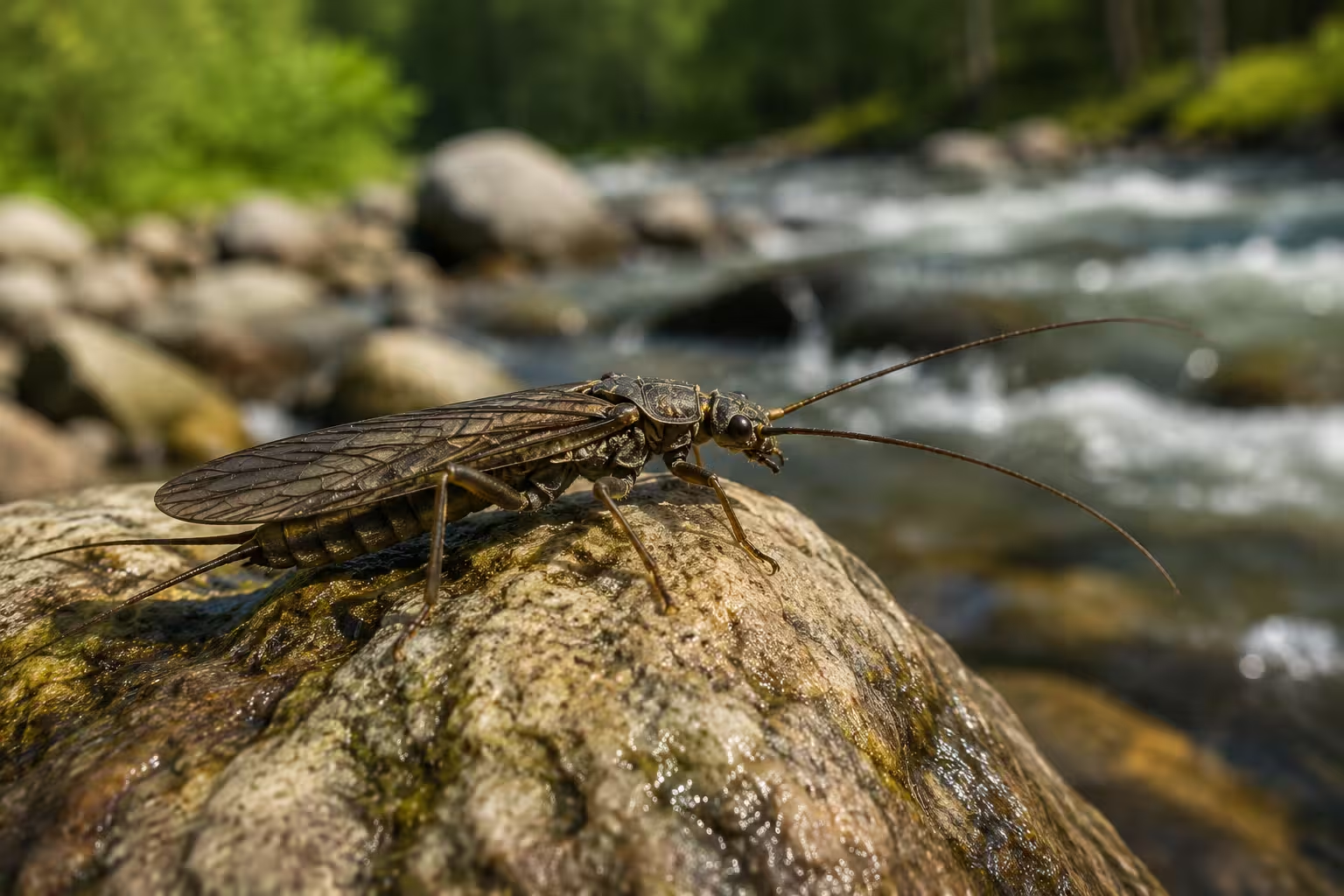
Stoneflies belong to the order Plecoptera, with thousands of species worldwide. You can recognize them by an elongated body, two long tails (called cerci), and wings that fold flat over the back in the adult. Unlike mayflies and caddisflies, stoneflies go through incomplete metamorphosis — egg, nymph, adult, with no pupal stage. And the nymph stage is a long one: depending on species, a stonefly nymph lives underwater for one to four years, commonly two to three, before it ever becomes an adult.
The Lifecycle: A Slow River Drama
- Egg. Females drop or deposit eggs into the water; the eggs sink and settle among the rocks.
- Nymph. By far the longest phase. Nymphs crawl along the streambed feeding on algae, detritus, and — in predatory species — other insects, molting repeatedly as they grow over their multi-year development.
- Adult. Adults emerge in spring or early summer. They’re clumsy fliers that stay close to the water, and their short adult lives are spent almost entirely on reproduction.
Because the nymph stage lasts so long, stoneflies are available to trout essentially year-round — not just during hatches.
Why Anglers Should Care
Understanding why stoneflies for trout are so important helps anglers predict feeding behavior throughout the year.
Three reasons stoneflies matter on the water:
- Protein. Stoneflies are large, meaty insects. Trout don’t pass them up.
- Early-season food. Some species hatch in cold weather, among the first bugs of the year, giving anglers action when little else is moving.
- A health signal. Stoneflies survive only in clean, oxygen-rich water, so their presence is a reliable indicator of a healthy stream. Flip a few rocks — if you find stonefly nymphs, you’re fishing good water.
How Stoneflies Behave (and Why It Matters)
The single most important thing to know is how stonefly nymphs live, because it dictates how trout eat them. Stonefly nymphs are clinger-crawlers, not swimmers — they grip rocks in fast, broken water with strong legs and clawed feet, and they’re poor at swimming. When one loses its grip and tumbles into the current, it drifts helplessly along the bottom, and that defenseless drift is exactly what trout key on.
They also emerge differently than most aquatic insects. Where mayflies and caddis rise to hatch at the surface, stonefly nymphs crawl out of the water onto rocks and banks to molt into adults. That means the subsurface nymph — drifting near the bottom — is where almost all the trout-feeding action happens. Stonefly fishing is a bottom game.
Matching the Hatch: Fly-Fishing Tactics
Fly anglers traditionally imitate stoneflies with weighted nymph patterns fished deep along the bottom, especially during non-hatch periods when trout feed subsurface near structure. During emergence windows, larger dry patterns can imitate adults skittering on the surface. Seasonal timing matters: small early black stoneflies (roughly size 14–18) hatch in late winter, while giant salmonflies (size 4–8) dominate many Western rivers in late spring. Whatever the pattern, success comes down to matching depth, size, and a natural drift — not speed or flash. Many of the same rivers also see mayfly hatches in warmer months; our complete guide to mayflies for trout covers how trout feed during those.
Subsurface Stoneflies for Spin Anglers
The same subsurface principle applies to spin tackle. Because stonefly nymphs spend their lives crawling the bottom in cold, oxygen-rich water, trout near rocks, riffles, and current seams key on compact, natural insect profiles rather than big reaction baits. A properly weighted soft-plastic stonefly lets you maintain bottom contact, control drift speed, match the size and silhouette of local nymphs, and present subtle, realistic movement. When trout are pressured, holding tight to structure, or feeding subsurface outside a hatch, that controlled bottom presentation routinely outperforms a high-visibility lure. Soft-plastic stoneflies for trout are especially effective when fish are holding tight to structure and feeding near the bottom.
For the step-by-step on rigging and fishing one, see our guide: How to Rig and Fish a Soft Plastic Stonefly for Trout. For the full trout lure, color, and presentation breakdown, see Best Soft Plastics for Trout.
The Conservation Connection
Stoneflies are bioindicators — they vanish when rivers are polluted or oxygen drops, and their decline is an early warning for the whole ecosystem. Anglers who value stonefly hatches are, in effect, supporting clean water and habitat. That’s worth keeping in mind: support river conservation groups, practice catch-and-release where it helps, and respect seasonal closures that protect both spawning fish and insect cycles. Stoneflies also feed bass, panfish, and other river species, so protecting them protects far more than trout.
A Quick Angler’s Field Guide
- Gear: 4–6 weight fly rods (or light spinning tackle) handle stonefly presentations well.
- Presentation: Dead-drift nymphs near the bottom; skitter dry patterns on the surface during emergence.
- Timing: Watch for late-winter small black stoneflies and late-spring giant salmonflies.
- Observation: Flip over a few rocks — if you see stonefly nymphs, the trout are eating them.
Frequently Asked Questions
Do trout eat stoneflies year-round?
Yes. Adult hatches are seasonal, but trout feed on stonefly nymphs all year, because most of the lifecycle is spent on the bottom — which makes subsurface presentations effective outside hatch periods.
Where do stonefly nymphs live in a stream?
In cold, oxygen-rich water along rocky bottoms, riffles, and current seams. Trout hold near these areas to intercept drifting nymphs.
Are stonefly imitations better in cold water?
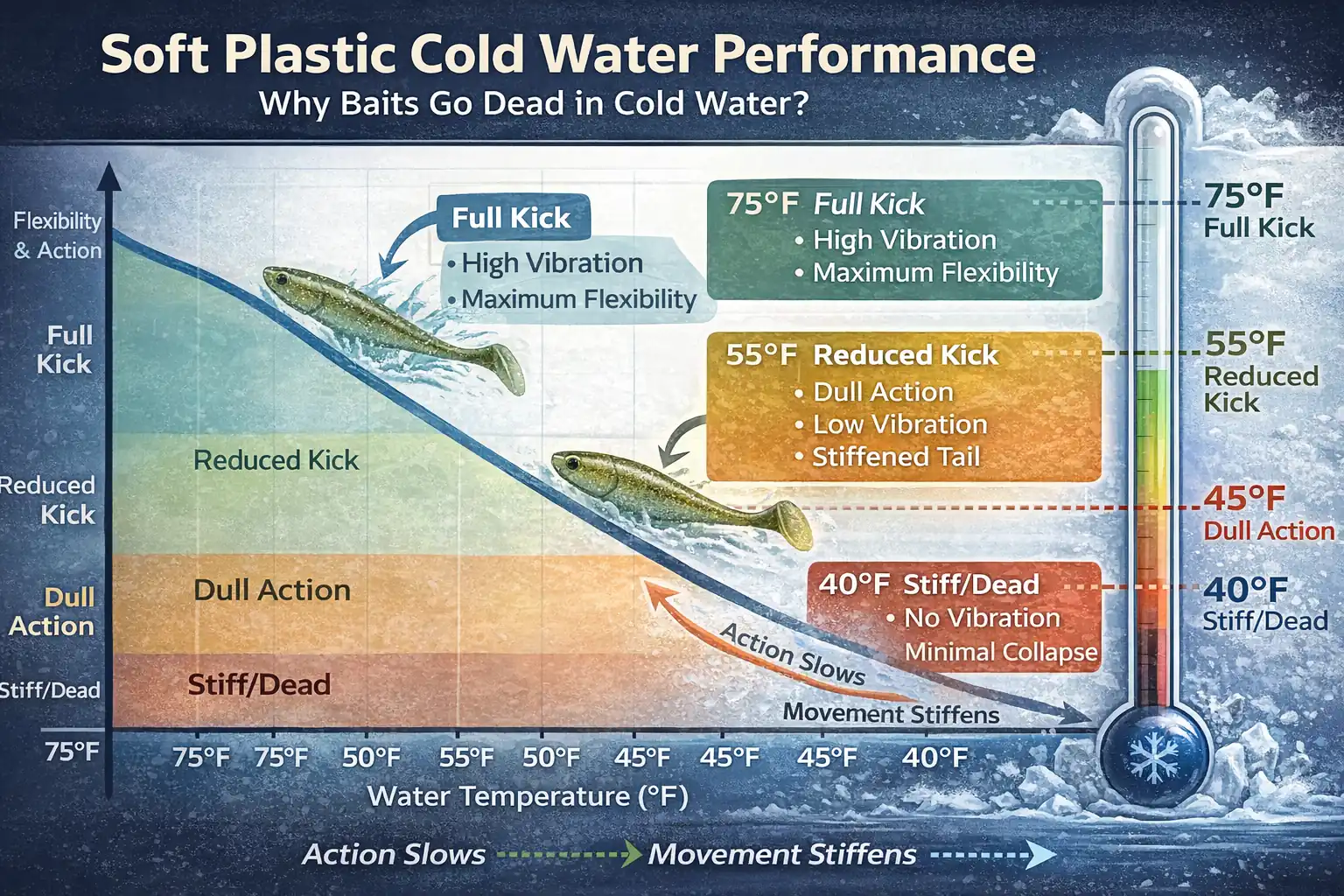
They’re especially effective in cold water, when trout are less aggressive and feeding near the bottom. Realistic subsurface profiles tend to beat high-visibility reaction baits then.
What size stonefly works best for trout?
It depends on the local species, but smaller nymph imitations are consistent producers in clear or pressured water. Match the size of the naturals you find under the rocks.
Conclusion
Stoneflies aren’t just seasonal hatch events — they’re a year-round, bottom-dwelling food source in cold, clean water, and that’s exactly where trout learn to look for them. Whether you fish fly or spin tackle, the principle is the same: match the insect’s size, depth, and natural drift. Understand the biology and you fish with intention instead of guesswork — and that consistency shows up in your results. Whether you fly fish or use spin tackle, understanding stoneflies for trout can dramatically improve your success in rivers and streams.
About Family Fishin
Family Fishin is a family-owned fishing tackle company dedicated to designing, testing, and producing high-quality fishing lures — inspired by generations of fishing tradition and driven by a passion for innovation. Every product is developed with one goal in mind: helping anglers spend more time doing what they love, catching fish and creating memories on the water.
Tags: #stoneflies #stonefly nymph #trout food #trout fishing #aquatic insects #nymph fishing