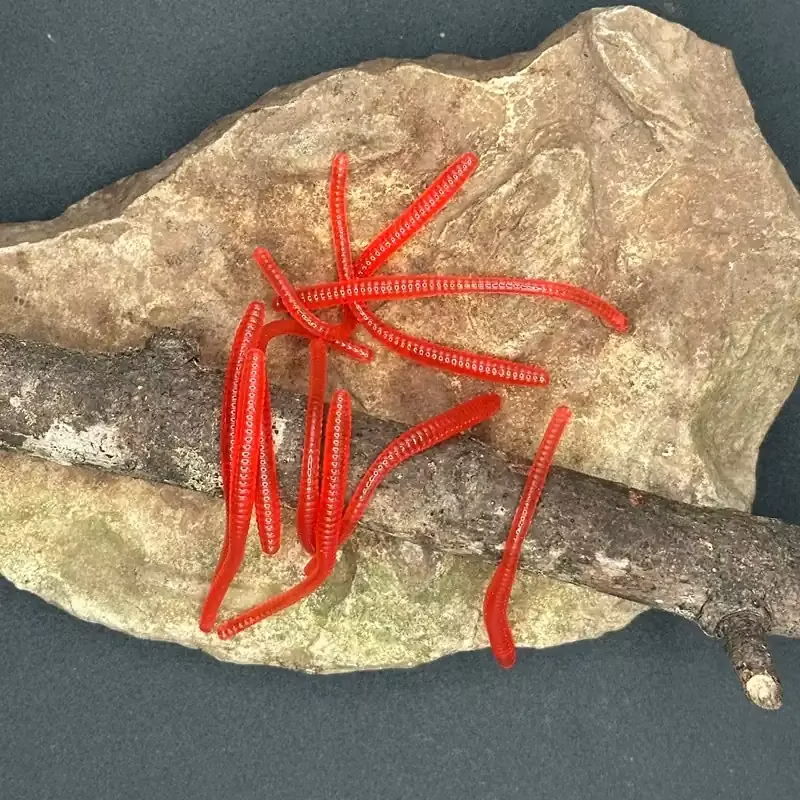
How to Rig Trout Worms for Stocked and Pressured Trout
Learning how to rig trout worms properly can dramatically improve success for stocked trout and pressured trout. It also helps trigger bites from selective fish that stop responding to larger or more aggressive presentations. Small worm profiles imitate vulnerable forage naturally, and slight changes in how the worm is rigged can completely change its movement, fall rate, and overall presentation in the water.
Different rigging methods change how the bait drifts in current. They also affect how the worm hangs under a float, falls through the water column, and reacts to subtle rod movement. In many finesse situations, these small differences are often what separates short strikes from consistent hook-ups. For a closer look at worm selection itself, see our Best Trout Worm for Stocked Trout guide.
Learning how to rig trout worms properly can dramatically improve presentation, hook-up ratios, and overall trout fishing consistency.
For most trout worm presentations, I prefer using a #10 Aberdeen hook because the lighter wire helps maintain natural bait movement while still providing good hook penetration with ultralight tackle. The following methods can all be fished:
- under a float
- on a bottom rig
- in moving current
- in still water
How to Rig Trout Worms
There are several effective ways to rig trout worms, and each method creates a different underwater presentation. The position of the hook affects how the worm drifts, falls, suspends, and responds to subtle rod movement.
Some rigging methods produce a natural straight profile that excels for stocked trout and suspended fish, while others create additional movement that can trigger strikes from pressured or selective trout.
The following trout worm rigging methods are among the most effective for ultralight trout fishing and can be adapted for floats, bottom rigs, moving water, or still-water presentations.
Inline Trout Worm Rig
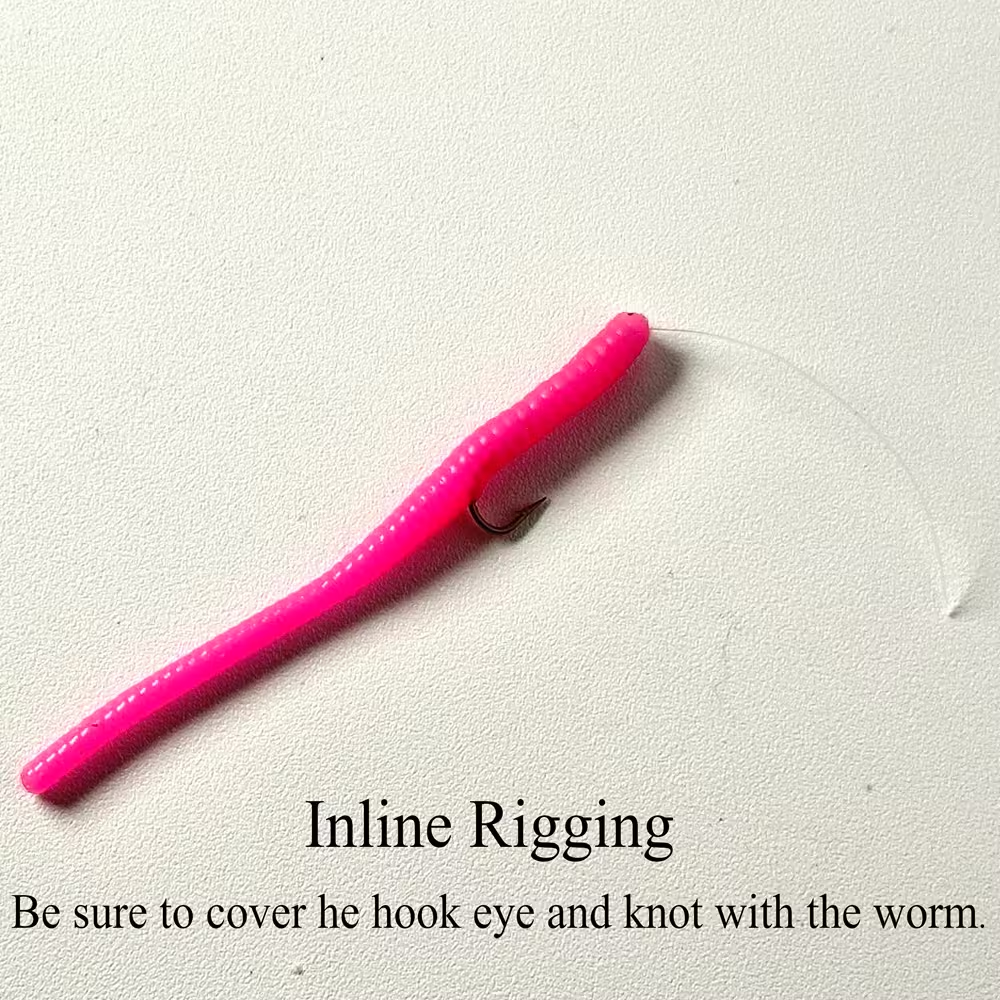
The inline method is one of the most common ways to rig a trout worm. In this setup, the worm is threaded straight along the hook shank, so the bait maintains a natural horizontal profile in the water. I personally prefer covering the hook eye with the worm to create a cleaner presentation and smoother bait profile.
This method works especially well when:
- fishing recently stocked trout
- drifting current seams
- fishing under floats
- targeting suspended trout
- slow finesse retrieves
The inline rig produces controlled movement while still allowing the tail section to create subtle action during pauses or slow retrieves.
If trout are striking short without getting hooked, shortening the tail slightly can improve hook-up ratios. However, removing too much of the tail will also reduce some of the natural movement that makes trout worms effective in pressured conditions.
The San Juan Worm Method
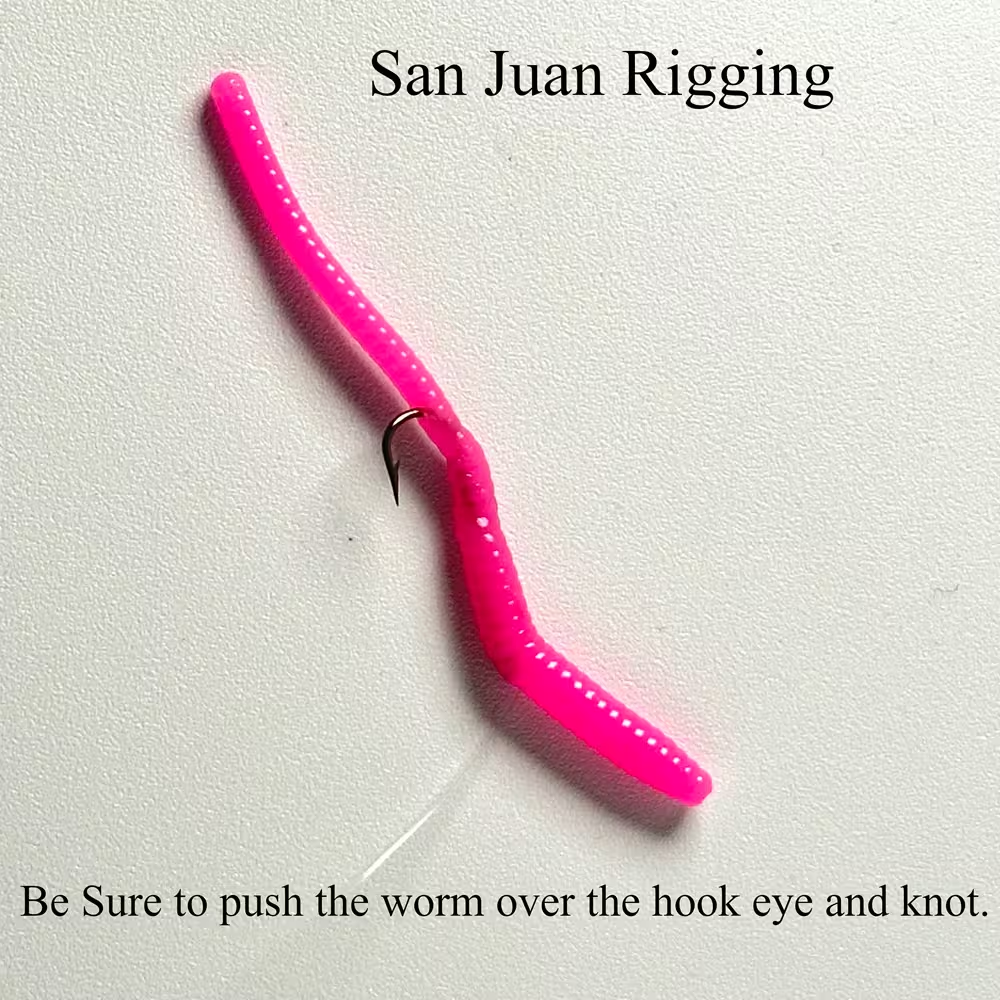
The San Juan method is similar to the inline rig, but the hook is inserted farther down into the body of the worm instead of entering directly through the head. This creates a slightly different profile and changes how the bait bends, drifts, and moves naturally in the water.
Because the worm is not perfectly straight on the hook, the San Juan style often creates more subtle movement during current drift or slow presentation techniques. This can be especially effective when trout become pressured or less willing to fully commit to aggressive presentations.
Anglers commonly use the San Juan rig:
- in moving water
- beneath floats
- on light bottom rigs
- during cold-water finesse situations
- when fish are feeding subtly near bottom structure
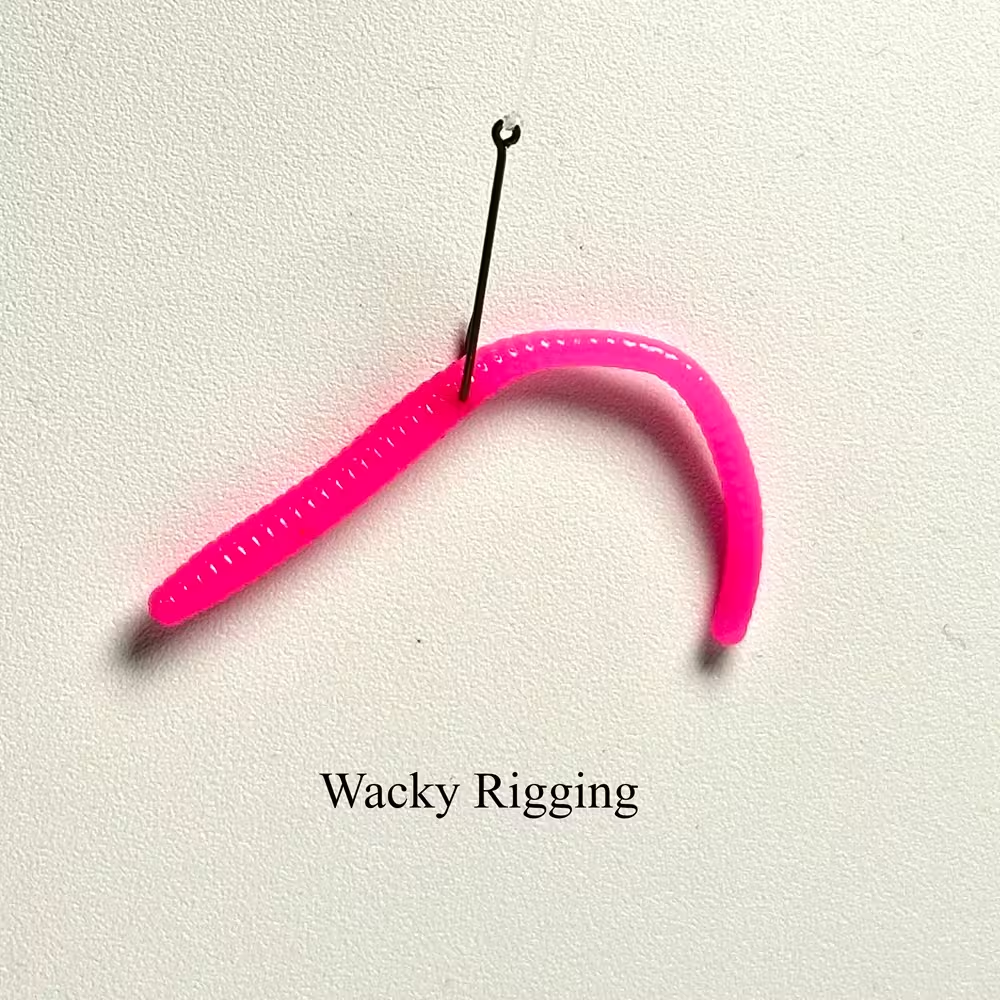
Wacky Rigged Trout Worm
The wacky rig method hooks the worm through the middle of the bait instead of threading it straight along the hook. This creates a completely different action profile where both ends of the worm move freely during the fall, retrieve, or drift.
This presentation often creates more exaggerated movement with very little rod input, making it effective when fish are reacting to subtle motion instead of aggressive retrieves. The slower fall and increased tail movement can be extremely effective for:
- pressured trout
- suspended trout
- cold-water conditions
- heavily fished ponds
- finesse presentations under floats
Because the worm folds and moves more freely, the wacky rig can sometimes trigger bites from fish that ignore more traditional straight-rigged presentations.
Choosing the Right Trout Worm Rig
Each trout worm rig changes how the bait behaves underwater. Water temperature, current speed, fishing pressure, depth, visibility, and trout activity levels can all influence which presentation works best on a given day.
In heavily pressured or recently stocked waters, subtle presentation often matters more than aggressive movement. Small adjustments in rigging style, retrieve speed, fall rate, and bait control can dramatically improve consistency when trout become selective.
Understanding how each rig changes bait movement allows anglers to adapt presentations naturally instead of relying only on color changes or larger profile adjustments.
Final Thoughts on Trout Worm Rigging
Learning how to rig trout worms effectively allows anglers to adapt presentations to changing trout behavior, water conditions, and fishing pressure levels. Small adjustments in hook placement, bait profile, drift angle, and presentation speed can completely change how trout respond in heavily pressured or recently stocked waters.
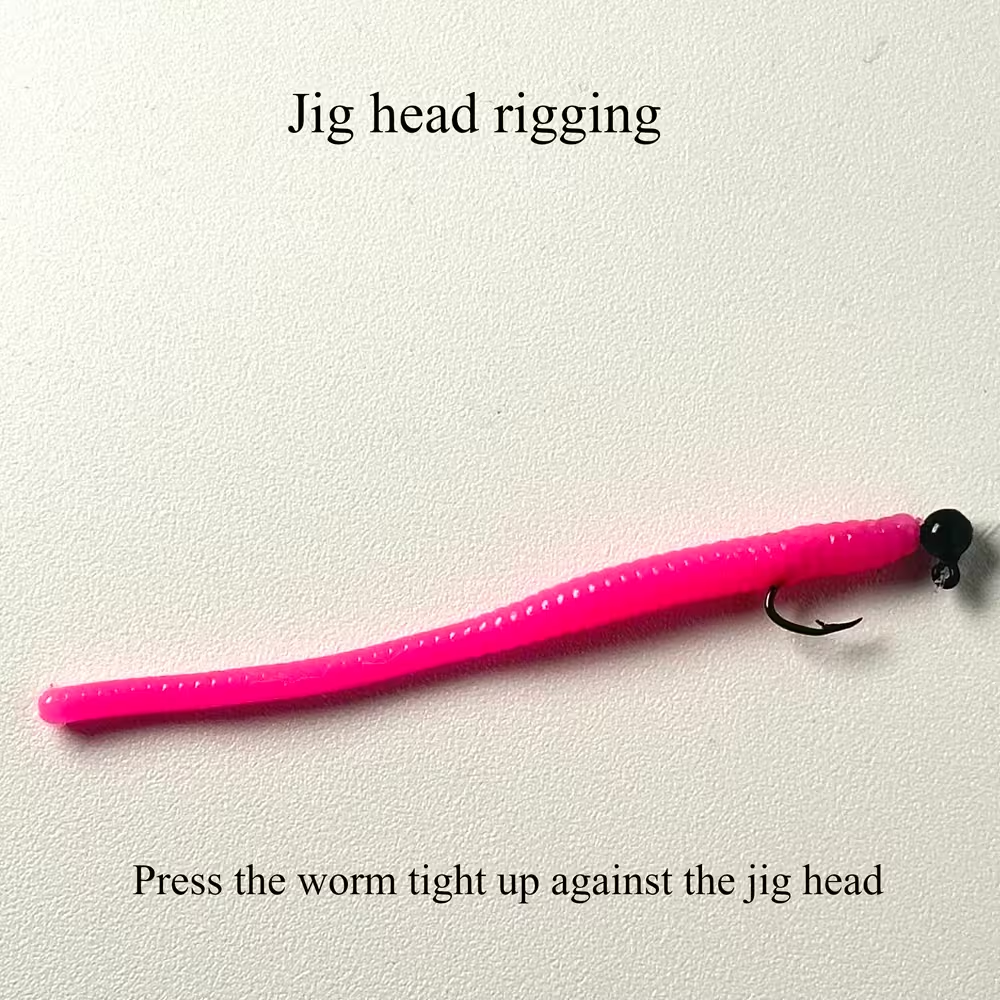
Inline rigging, San Juan style rigging, jig heads, and wacky presentations all create different trout worm actions. These finesse soft plastics remain some of the most versatile baits available for ultralight trout fishing. Understanding how each rig changes movement and presentation helps anglers consistently trigger bites when more aggressive lures stop producing.
Frequently Asked Questions About Trout Worm Rigging
What size hook is best for trout worms?
A #10 Aberdeen hook is one of the best options for trout worms because the lighter wire allows natural bait movement while still providing solid hook penetration with ultralight tackle.
What is the best way to rig trout worms?
The best trout worm rig depends on water conditions and trout behavior. Inline rigging works well for natural presentations, while wacky rigging creates more movement for pressured or suspended trout.
Do trout worms work for stocked trout?
Yes. Trout worms are highly effective for stocked trout because their small profile and subtle movement imitate vulnerable forage that pressured fish commonly feed on.
Can trout worms be fished under a float?
Yes. Many anglers fish trout worms beneath floats because the setup allows precise depth control and slow natural movement through the strike zone.
When should you use a wacky rigged trout worm?
Wacky rigging works best when trout are pressured, suspended, or reacting to subtle movement instead of aggressive retrieves.
Are trout worms effective in cold water?
Yes. Trout worms are especially effective in cold water because finesse presentations and slower bait movement often outperform larger aggressive lures in low-temperature conditions.