Stocked Trout Feeding Behavior After Hatchery Conditioning
Part2 – Stocked trout feeding behavior is heavily influenced by hatchery conditioning, pellet recognition, scent association, and learned feeding patterns developed before release.
1. The Core Constraint: Trout Only Recognize What They’ve Been Taught
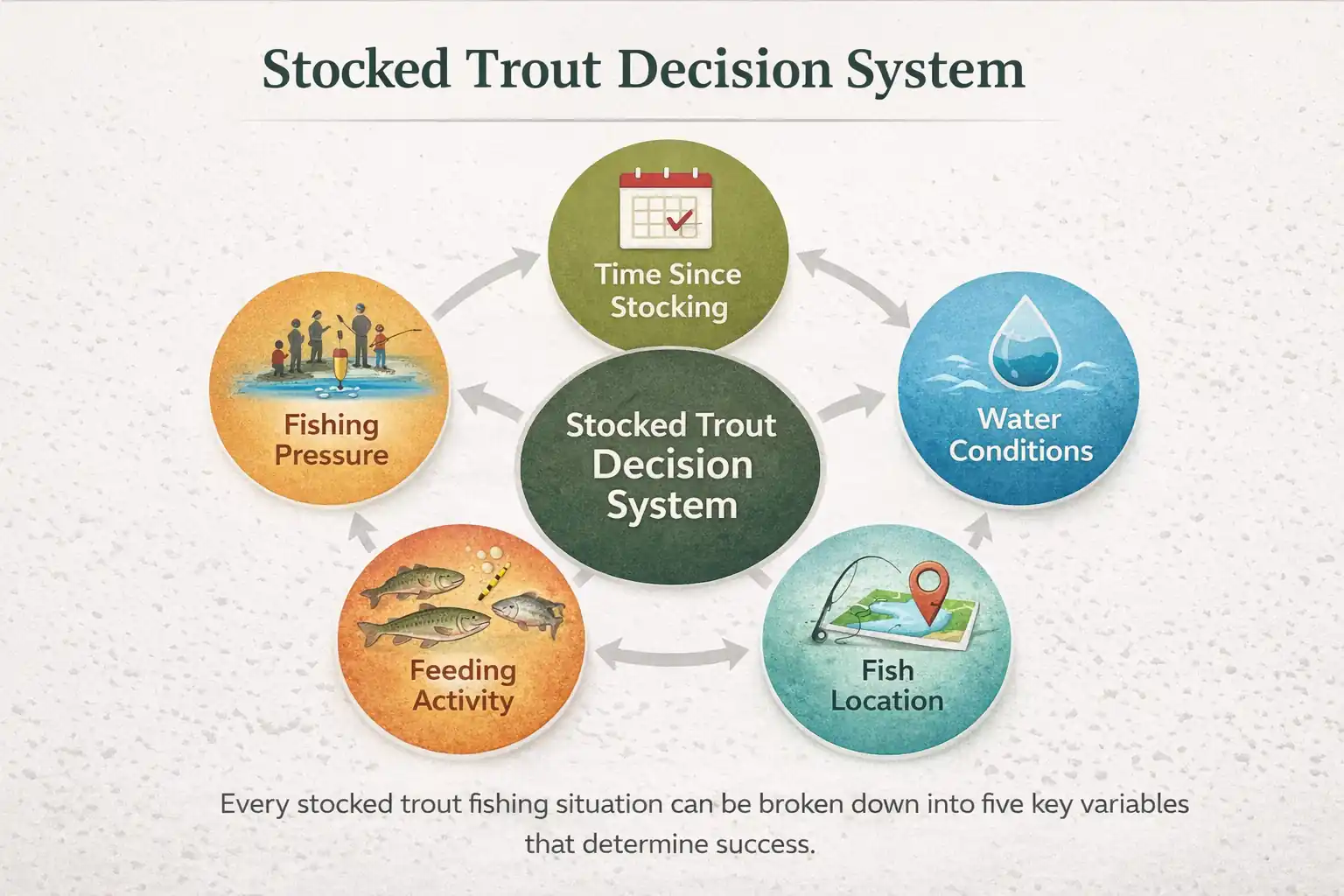
This article is part of our complete breakdown of stocked trout behavior—if you haven’t read the full system yet, start with our main trout fishing resource.
Hatchery Feeding System
In hatcheries:
- Feed is delivered at consistent times
- Food is uniform in size, shape, and composition
- Fish compete in dense groups
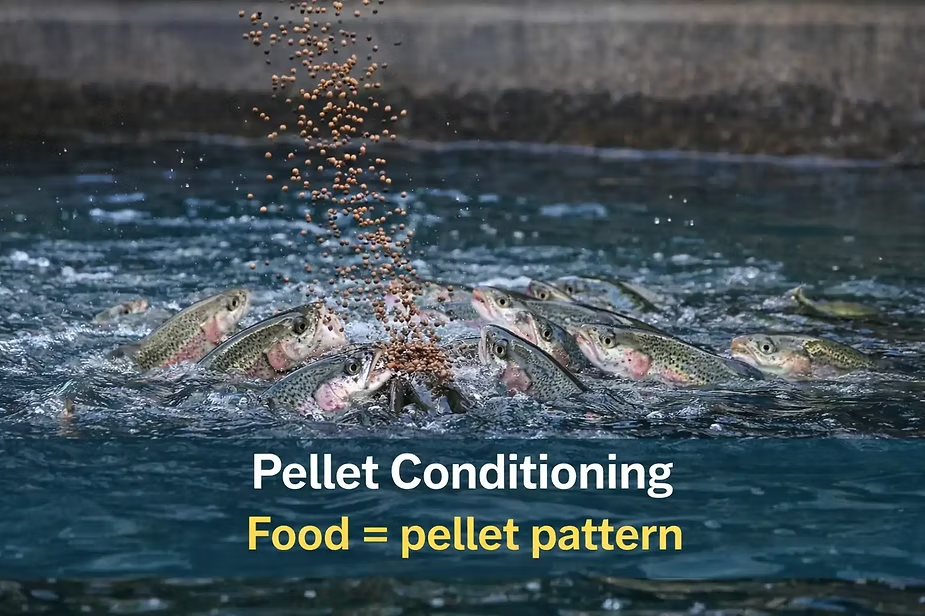
The result is a learned rule:
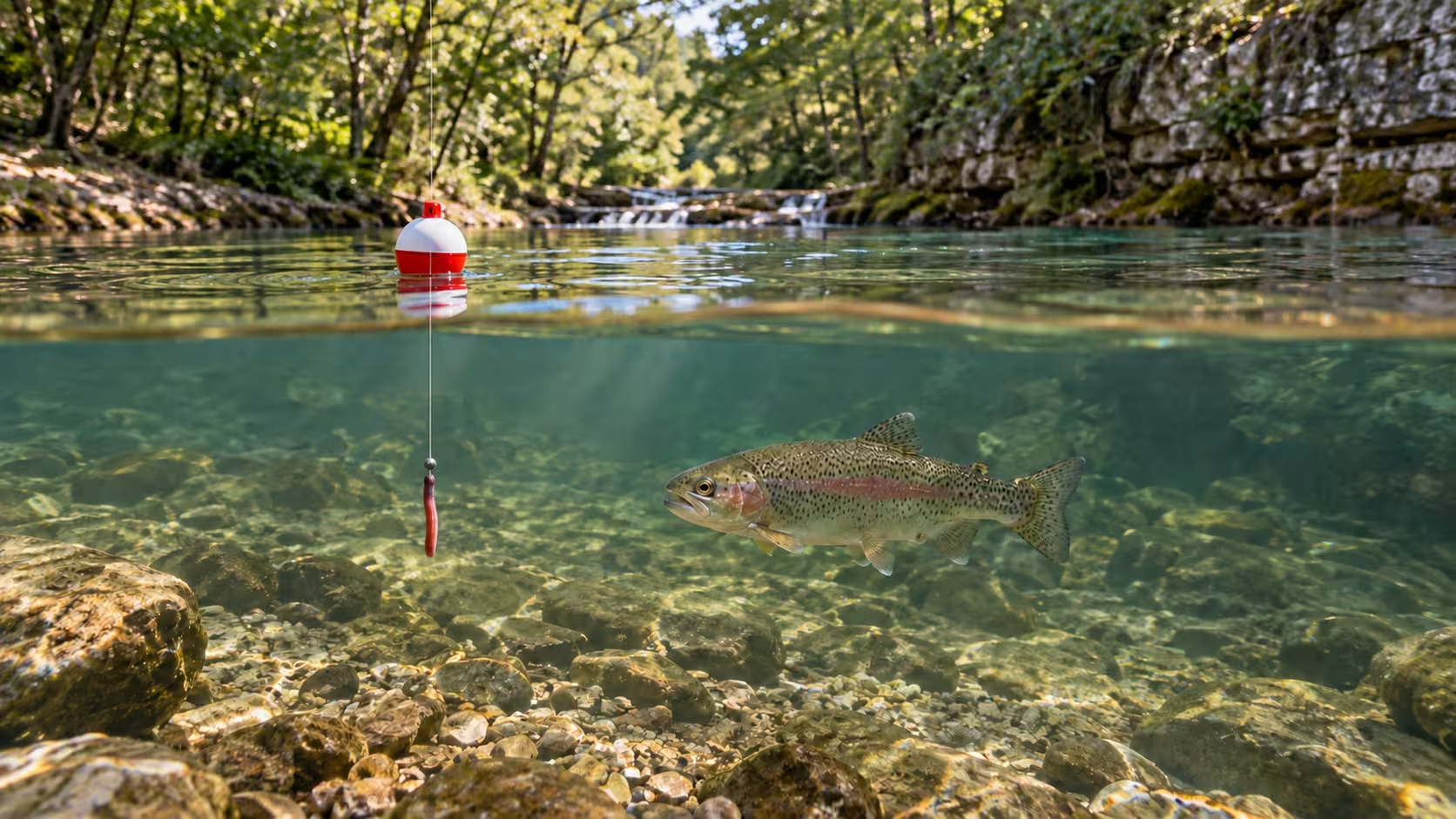
Food = small, soft, round object falling from above with scent
This rule governs feeding decisions immediately after stocking.
Key Limitation
Stocked trout do not initially recognize:
- Insects
- Minnows
- Crawfish
- Artificial lures
They recognize:
- Pellets or pellet-like substitutes
Practical Meaning
Fishing success depends on how closely your bait matches:
- Shape
- Texture
- Scent
- Behavior (how it moves in water)
2. Pellet Profile Breakdown
To understand feeding behavior, you need to understand the pellet itself.
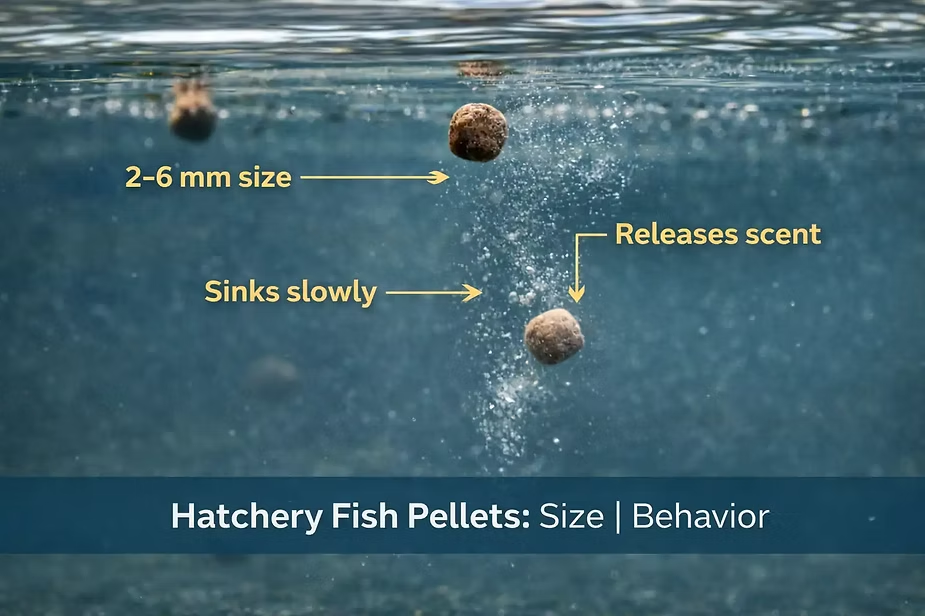
Physical Characteristics
Typical hatchery pellets:
- Diameter: 2–6 mm
- Shape: rounded or cylindrical
- Texture: soft when wet
- Color: brown, tan, sometimes dyed
Behavioral Characteristics in Water
Pellets:
- Sink slowly or suspend briefly
- Break down over time
- Release scent continuously
Cause → Effect Chain
Uniform pellet feeding → strong visual memory → scent association → preference for soft, stationary food → rejection of unfamiliar movement
Practical Translation
Any bait that:
- Falls slowly
- Holds position
- Releases scent
…will outperform fast-moving, scentless lures in early-stage trout.
3. Shape Recognition: Why Form Matters More Than Color
Most anglers overemphasize color and ignore shape.
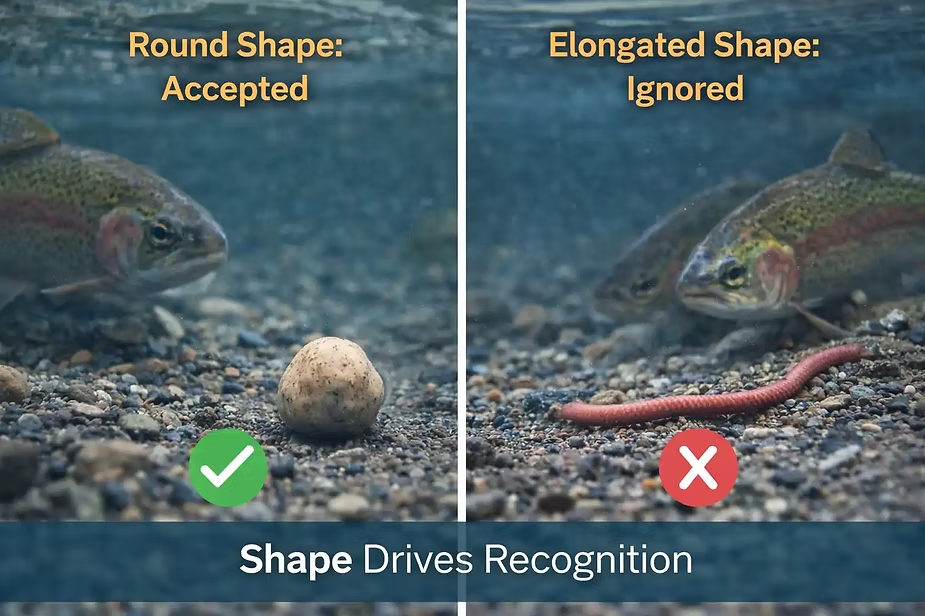
Trout Recognition Hierarchy (Early Stage)
- Shape
- Scent
- Movement
- Color
Why Shape Comes First
Trout are conditioned through repetition:
- Thousands of identical feeding events
- Reinforced pattern recognition
They do not evaluate objects broadly. They match patterns.
Practical Application
Effective Shapes:
- Rounded dough balls
- Small soft chunks
- Compact profiles
Ineffective Shapes:
- Long worms (early stage)
- Large bulky lures
- Erratic silhouettes
Common Mistake
Mistake: Using oversized or elongated bait
Reality: Does not match pellet profile → reduces recognition
Adjustment:
- Keep bait small
- Keep profile compact
4. Texture and Resistance
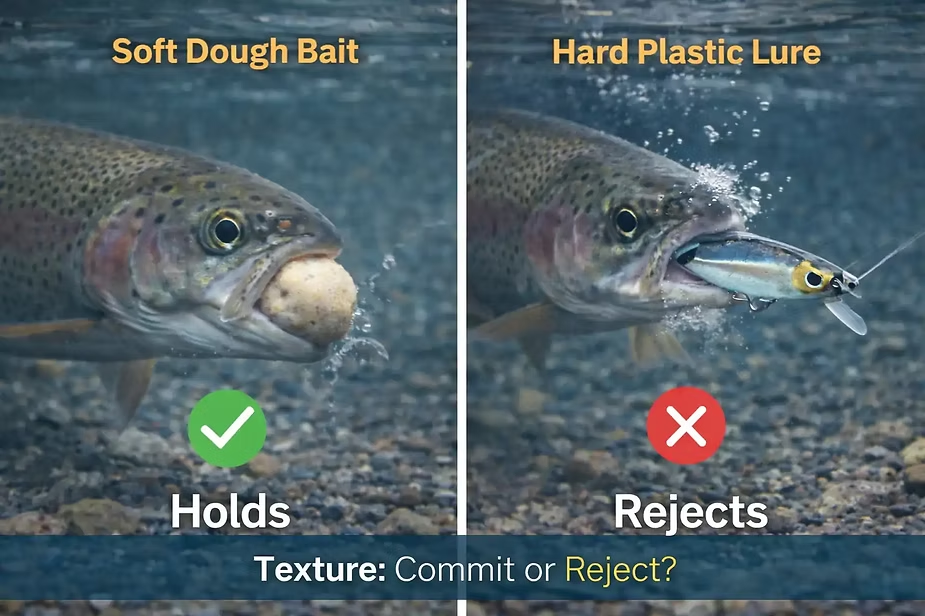
Texture affects how trout commit to a bite.
The effectiveness of soft plastics depends heavily on material composition and scent release—see how we design our plastics to match these feeding triggers.
Pellet Texture Memory
Pellets are:
- Soft
- Compressible
- Easy to ingest
Trout expect:
- Minimal resistance
What Happens With Hard Baits
If a trout samples:
- Hard plastic
- Rigid lure
…it often rejects it immediately.
Practical Application
Use:
- Soft dough baits
- Soft plastics with flexibility
- Materials that compress easily
Key Insight
The longer a trout holds bait in its mouth, the higher your hook-up rate.
Softness increases hold time.
5. Scent: The Primary Trigger Early On
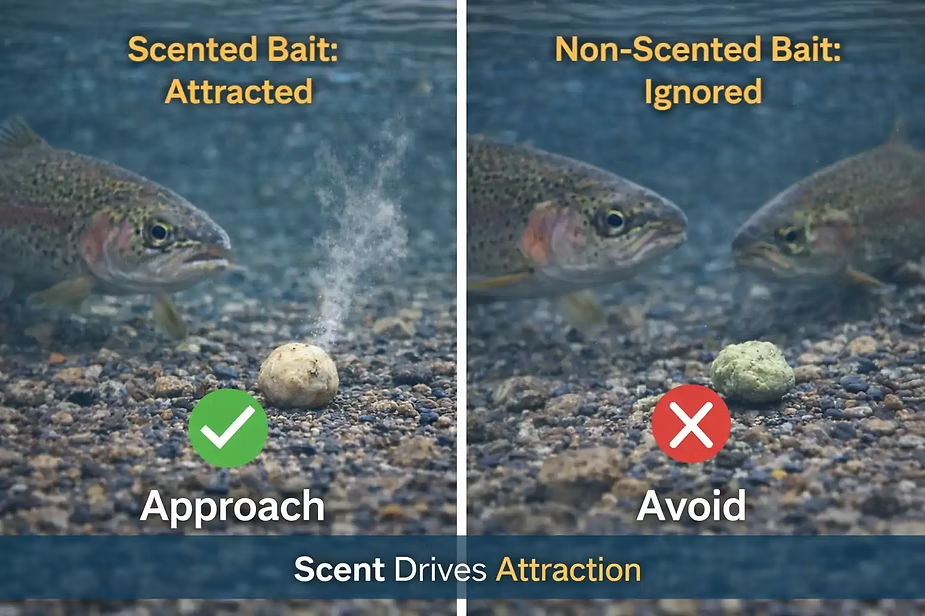
Scent is the strongest feeding trigger in stocked trout.
Why Scent Dominates
In hatcheries:
- Pellets emit strong odor trails
- Fish rely on smell to locate food in crowded water
After stocking:
- Vision is less reliable (new environment)
- Scent remains consistent and familiar
How Scent Function
Scent does three things:
- Attracts trout
- Confirms food identity
- Encourages commitment
Practical Application
Strong Scent Situations:
- Murky water
- High fishing pressure
- Cold water
Weak Scent Situations:
- Clear water
- Later-stage trout (after adaptation)
Common Mistake
Mistake: Prioritizing color over scent
Reality: Without scent confirmation, trout often reject bait
Adjustment:
- Use scent-based bait first
- Modify color second
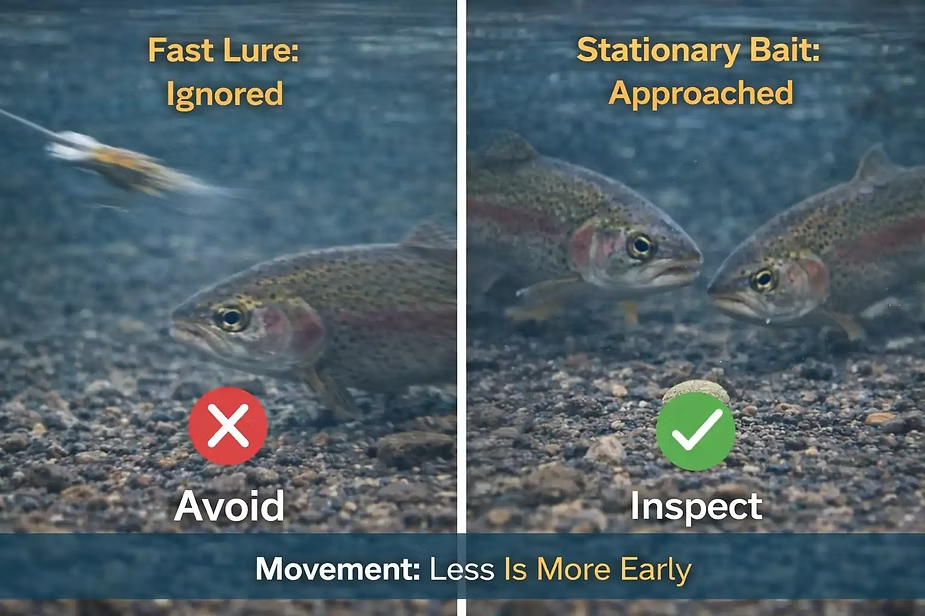
6. Movement: Why Less Is More Early
Pellets do not move aggressively. This defines trout expectations.
Pellet Movement Pattern
- Falls downward
- Drifts slightly
- Then becomes stationary
Implication
Trout expect:
- Minimal movement
- Predictable motion
Why Fast Movement Fails
Fast lures:
- Do not match learned feeding behavior
- Require predatory response (not developed yet)
Practical Application
Effective Movement:
- None
- Slight drift
- Slow lift and fall
Ineffective Movement:
- Rapid retrieval
- Erratic jerking
- High-speed spinning
Adjustment Rule
If fish are not biting:
- Reduce speed first
- Do not increase it
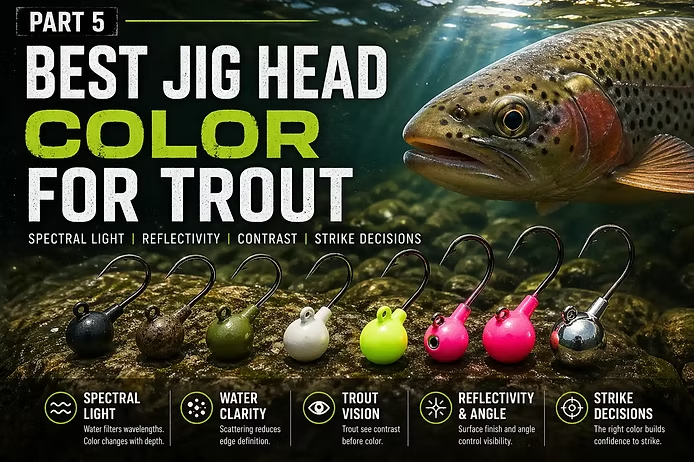
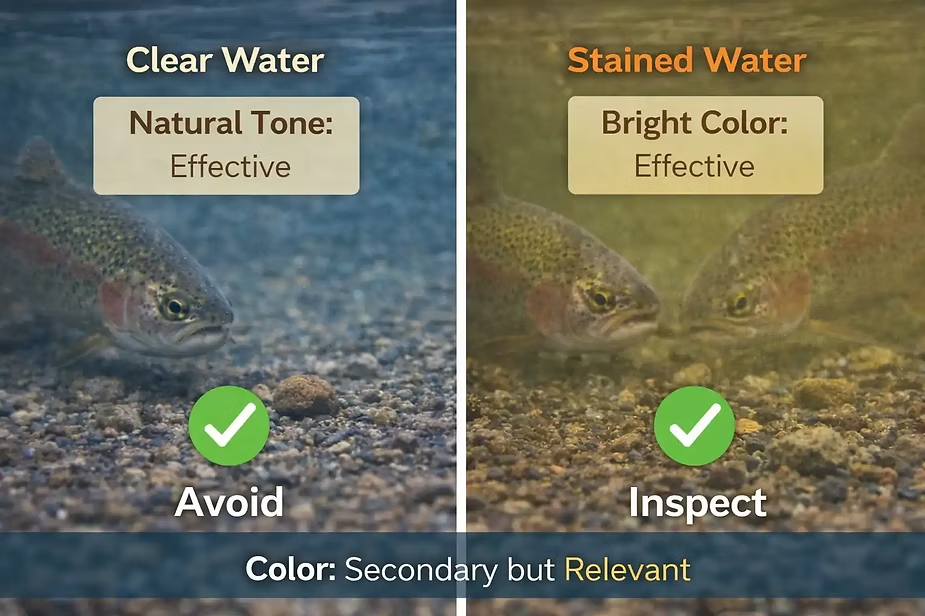
7. Color: Secondary but Still Relevant
Color matters, but only after shape and scent are correct.
Why Color Still Works
Pellets are often dyed:
- Browns
- Oranges
- Yellows
Trout associate these colors with feeding.
Visibility Factor
Color becomes more important when:
- Water clarity decreases
- Light penetration changes
Practical Application
Clear Water:
- Natural tones (brown, tan)
Stained Water:
- Bright colors (chartreuse, orange, pink)
Key Principle
Color helps trout find bait Scent helps trout accept bait
How Stocked Trout Feeding Behavior Changes After Release
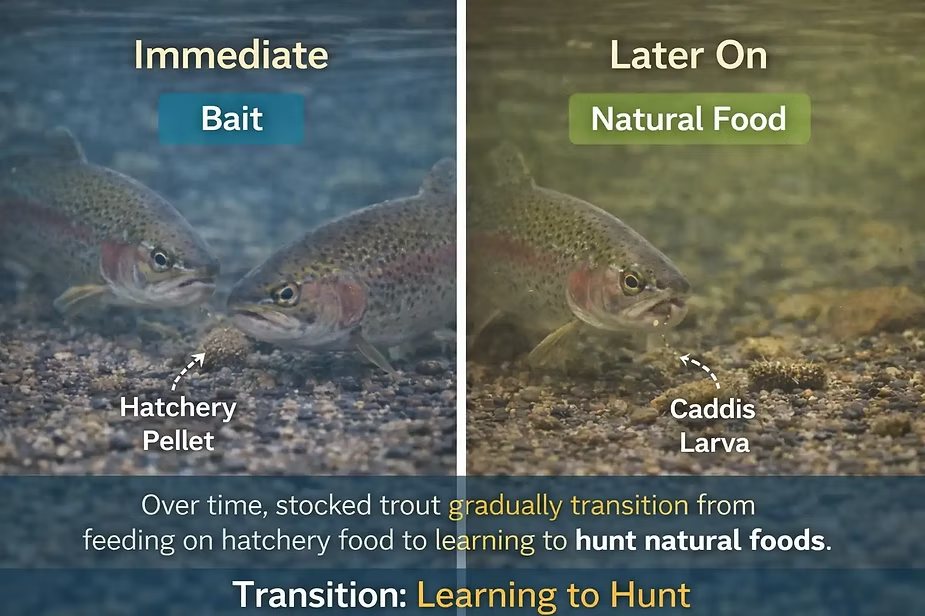
8. Transition Phase: Expanding Food Recognition
After 2–3 days, trout begin learning.
Behavioral Expansion
Trout start to:
- Experiment with new food sources
- Recognize movement as a trigger
- Respond to unfamiliar shapes
Feeding Shift
From:
- Recognition-based feeding
To:
- Exploration-based feeding
Practical Application
This is when:
- Small lures begin to work
- Subtle action becomes effective
- Bait can be combined with movement
Strategy Adjustment
Introduce:
- Small spoons
- Inline spinners (slow retrieve)
- Micro soft plastics
9. Pressure and Learning
Stocked trout adapt quickly under pressure.
What They Learn
After repeated exposure:
- Avoid certain shapes
- Avoid heavily scented areas
- Become cautious
Result
Feeding becomes:
- Less aggressive
- More selective
- More dependent on realism
Practical Application
- Downsize bait
- Reduce scent intensity if overused
- Increase natural presentation
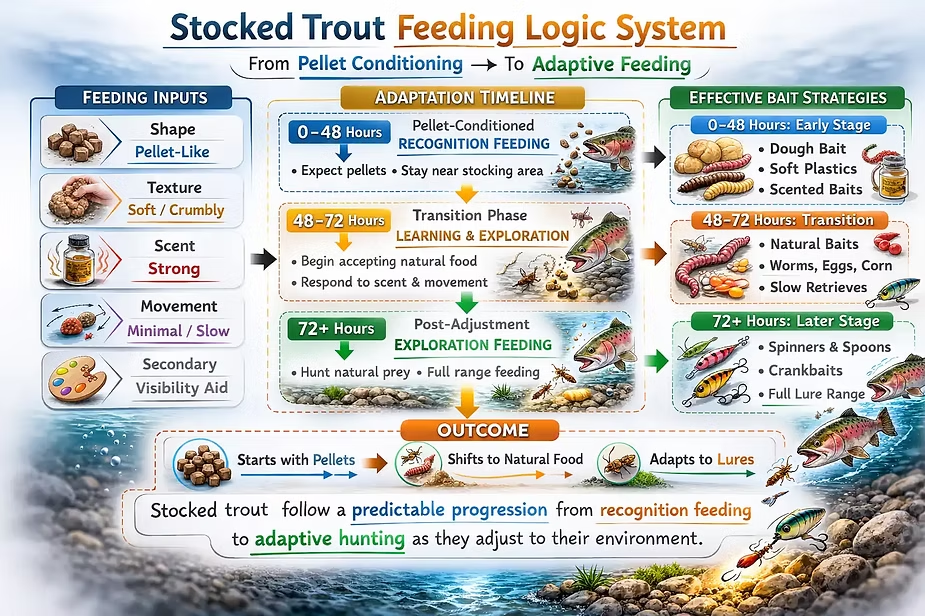
10. System Summary
Feeding Logic Model
Early Stage (0–48 Hours)
- Shape: pellet-like
- Texture: soft
- Scent: strong
- Movement: none
Transition Stage (48–72 Hours)
- Shape: slightly varied
- Texture: still soft
- Scent: moderate
- Movement: slow
Post-Adjustment
- Shape: diverse
- Texture: variable
- Scent: situational
- Movement: more important
11. Common Failure Points
1. Overcomplicating Bait Choice
- Trout are responding to simple patterns
2. Fishing Too Aggressively
- Early trout do not chase
3. Ignoring Conditioning
- Treating stocked trout like wild fish
12. Key Takeaways
- Stocked trout feed based on recognition, not instinct
- Pellet conditioning controls early feeding behavior
- Shape and scent matter more than color
- Movement becomes important only after adjustment
- Matching pellet characteristics increases success rate immediately
What This Means Going Forward
Understanding food recognition explains why certain baits work, but not how trout detect them in different conditions.
Frequently Asked Questions About Stocked Trout Feeding Behavior
How long do stocked trout continue eating hatchery pellets after stocking?
Most stocked trout continue recognizing hatchery pellets as food for several days after release. During the first 24 to 72 hours, many trout still respond strongly to pellet-shaped, scented, and slow-moving baits before gradually transitioning to natural food sources.
Why do stocked trout prefer dough bait and pellet-style baits?
Stocked trout are raised on commercial fish pellets in hatcheries. Dough baits, pellet imitations, and scented offerings closely resemble the size, shape, scent, and feeding cues trout learned before being released, making them easier for newly stocked fish to recognize as food.
When do stocked trout start feeding on natural food?
As trout adapt to their new environment, they begin targeting aquatic insects, larvae, minnows, and other natural forage. This transition often begins within a few days after stocking, although timing varies based on water temperature, food availability, and fishing pressure.
Do stocked trout respond better to scent than wild trout?
Recently stocked trout often rely heavily on scent cues because hatchery feeding conditions reinforce scent recognition. Scented dough baits, trout worms, eggs, and attractants can help fish locate and identify food more quickly during the early post-stocking period.
What presentations work best for recently stocked trout?
Slow presentations generally outperform fast retrieves during the first few days after stocking. Stationary baits, suspended rigs, slow drifts, and subtle movements often produce more strikes because newly stocked trout are less accustomed to chasing fast-moving prey.
Why do stocked trout ignore some artificial lures?
Many newly stocked trout have limited experience hunting live prey. Fast-moving lures may not immediately trigger a feeding response because trout are still conditioned to recognize hatchery feeding patterns. As they adapt to natural waters, they become more willing to chase spinners, spoons, crankbaits, and other artificial lures.
About Family Fishin
Family Fishin is a family-owned fishing tackle company dedicated to designing, testing, and producing high-quality fishing lures — inspired by generations of fishing tradition and driven by a passion for innovation. Every product is developed with one goal in mind: helping anglers spend more time doing what they love, catching fish and creating memories on the water.
The next step is analyzing the detection system itself.
Pervious Article This feeding behavior builds directly on how stocked trout act immediately after release. If you missed it, read Part 1 to understand positioning, movement, and where to fish during the first 72 hours. Stocked Trout Fishing Tips: Understanding the First 72 Hours After Stocking
Next Article
Part 3 — “How Stocked Trout Find Food: Vision, Smell, and Vibration” Focus: Sensory systems and how they control feeding behavior under different environmental conditions.