
Lure Science & Engineering
The science, engineering, materials, and manufacturing principles that influence fishing lure performance.
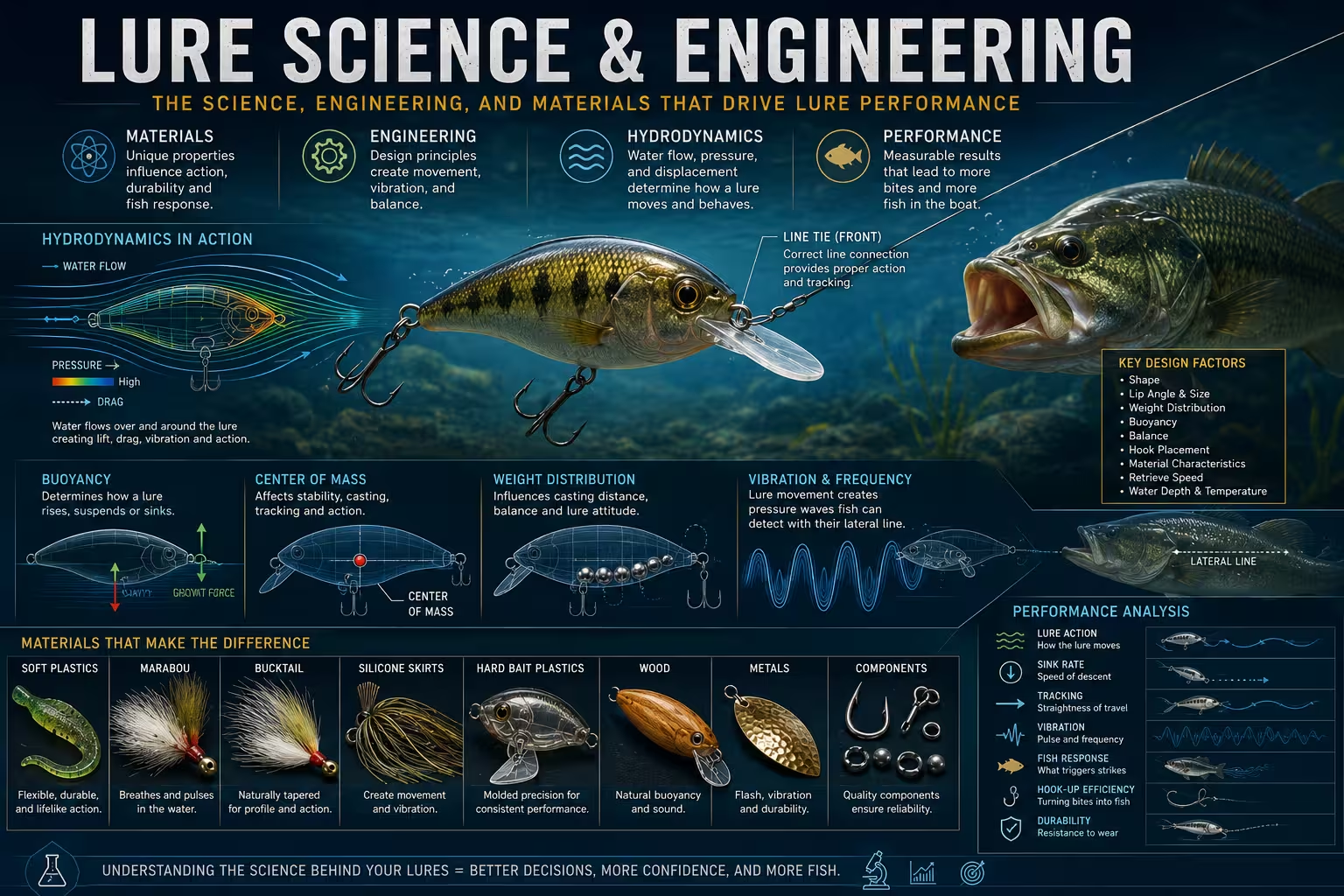
Understanding Lure Science & Engineering
Every fishing lure is the result of science, engineering, materials, and design working together.
While anglers often focus on lure color, size, and presentation, every lure is ultimately governed by physics, material properties, hydrodynamics, structural design, and manufacturing decisions.
A lure’s action, sink rate, vibration, buoyancy, durability, hook-up ratio, and fish-catching ability are all influenced by measurable scientific principles.
Understanding lure science and engineering transforms lure selection from guesswork into informed decision-making.
Why Lure Performance Changes
Lure performance is influenced by countless interacting variables.
Factors such as:
- material selection
- lure geometry
- weight distribution
- buoyancy
- flexibility
- vibration frequency
- water resistance
- current flow
- retrieve speed
- hook placement
all influence how a lure behaves underwater.
Even small changes in design can dramatically alter action, tracking, durability, sink rate, fish response, and overall effectiveness.
Understanding these relationships is one of the foundations of lure science and engineering.
Materials, Design, and Manufacturing
Every lure material behaves differently.
Soft plastics, feathers, fur, wood, metals, silicone, elastomers, and synthetic fibers each possess unique physical properties that influence movement, durability, buoyancy, vibration, and fish response.
Likewise, manufacturing processes influence the final product.
Material formulation, molding methods, weight systems, component placement, and quality control all contribute to how a lure performs on the water.
Understanding these factors helps explain why two lures that appear similar may behave completely differently.
The Goal of Lure Science & Engineering
The goal of Lure Science & Engineering is to build one of the most complete and understandable fishing tackle resources available.
This project was created to explain how scientific principles, engineering decisions, material properties, and manufacturing processes influence real-world fishing performance.
The objective is not simply to present technical information academically.
The objective is to translate complex concepts into practical fishing knowledge that anglers, lure makers, tackle designers, and manufacturers can apply immediately.
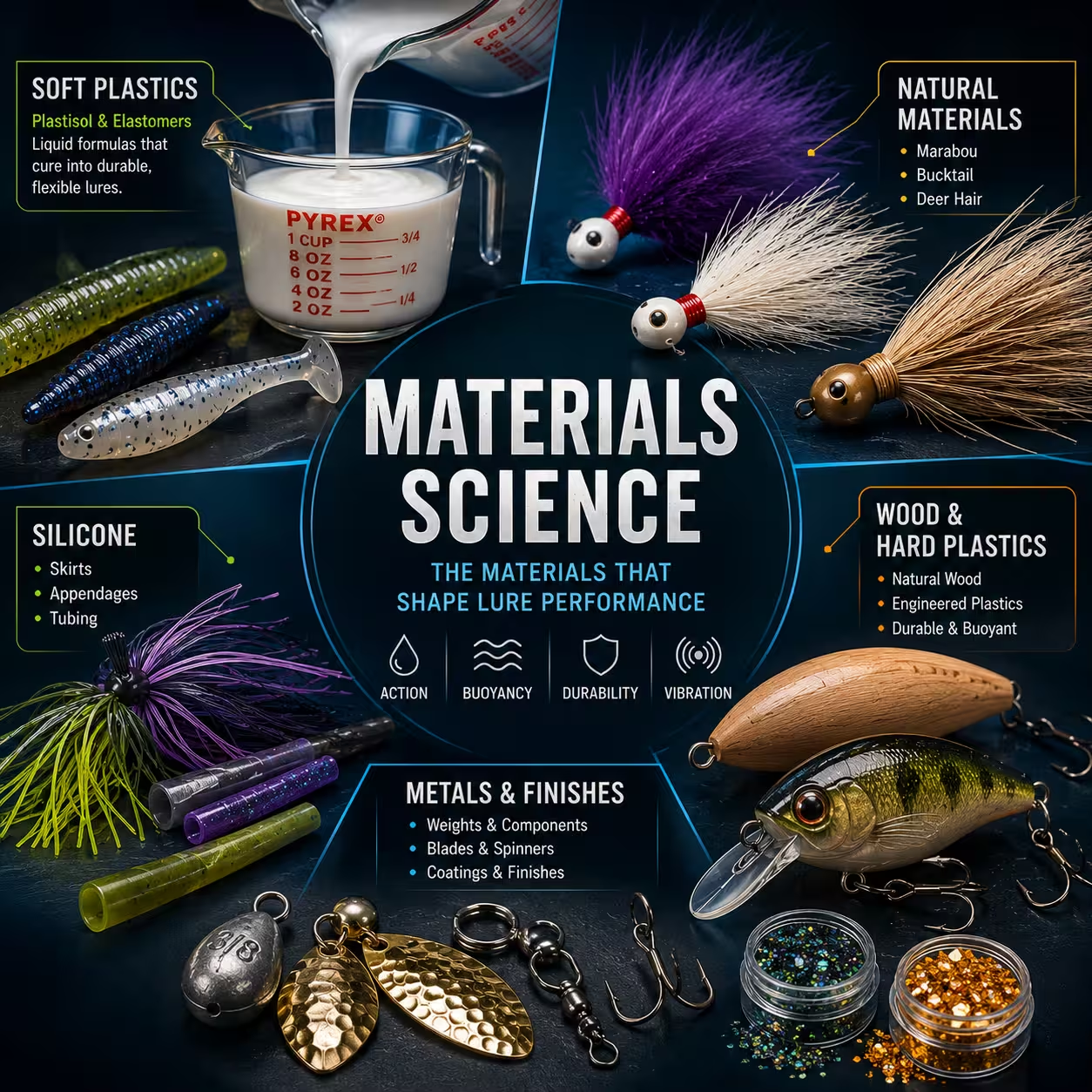
Materials Science
- plastisol
- TPE and elastomers
- marabou
- bucktail
- silicone
- hard bait plastics
- wood
- metals
- coatings and finishes
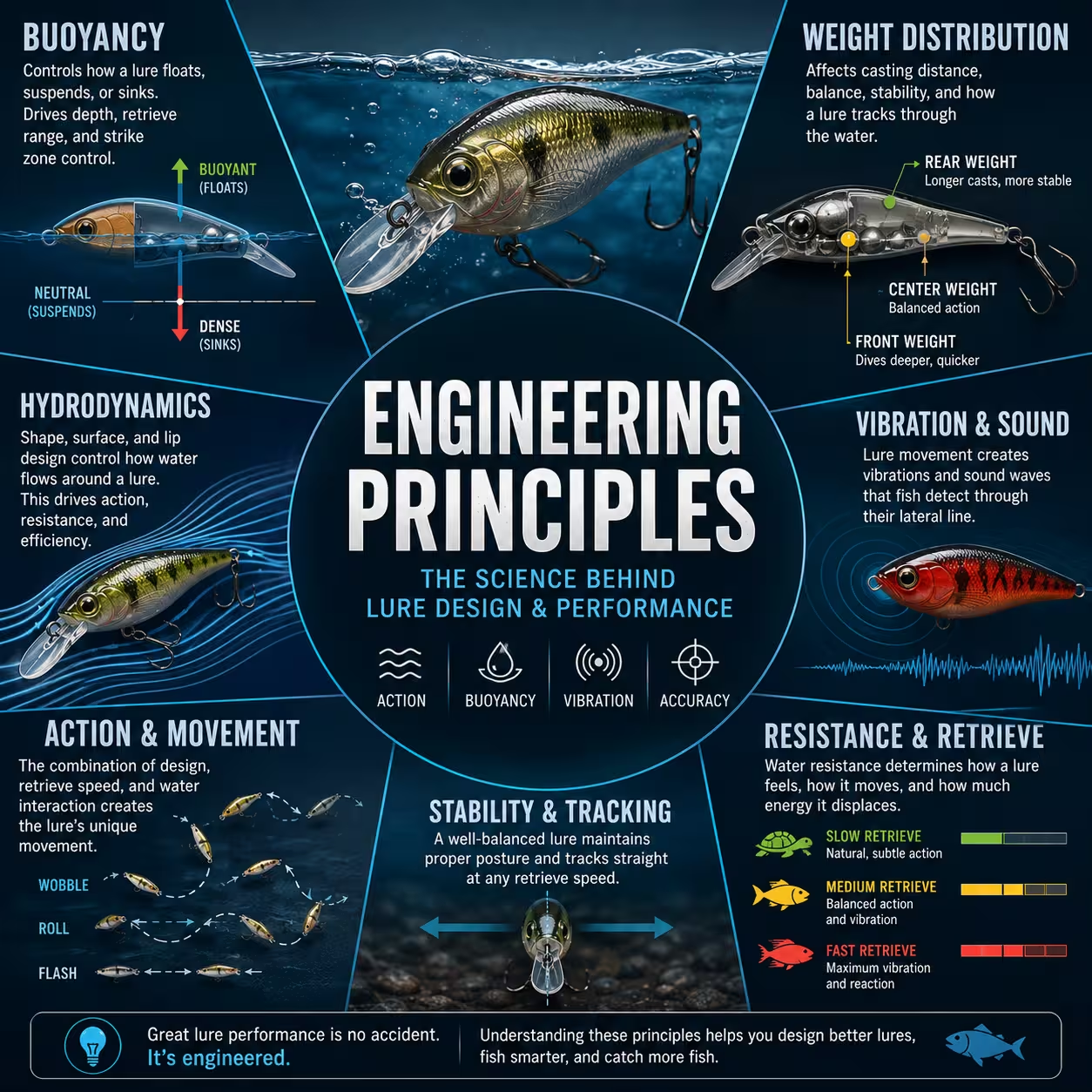
Engineering Principles
- buoyancy
- balance
- weight distribution
- flexure
- vibration
- hydrodynamics
- water displacement
- durability
- stress concentration
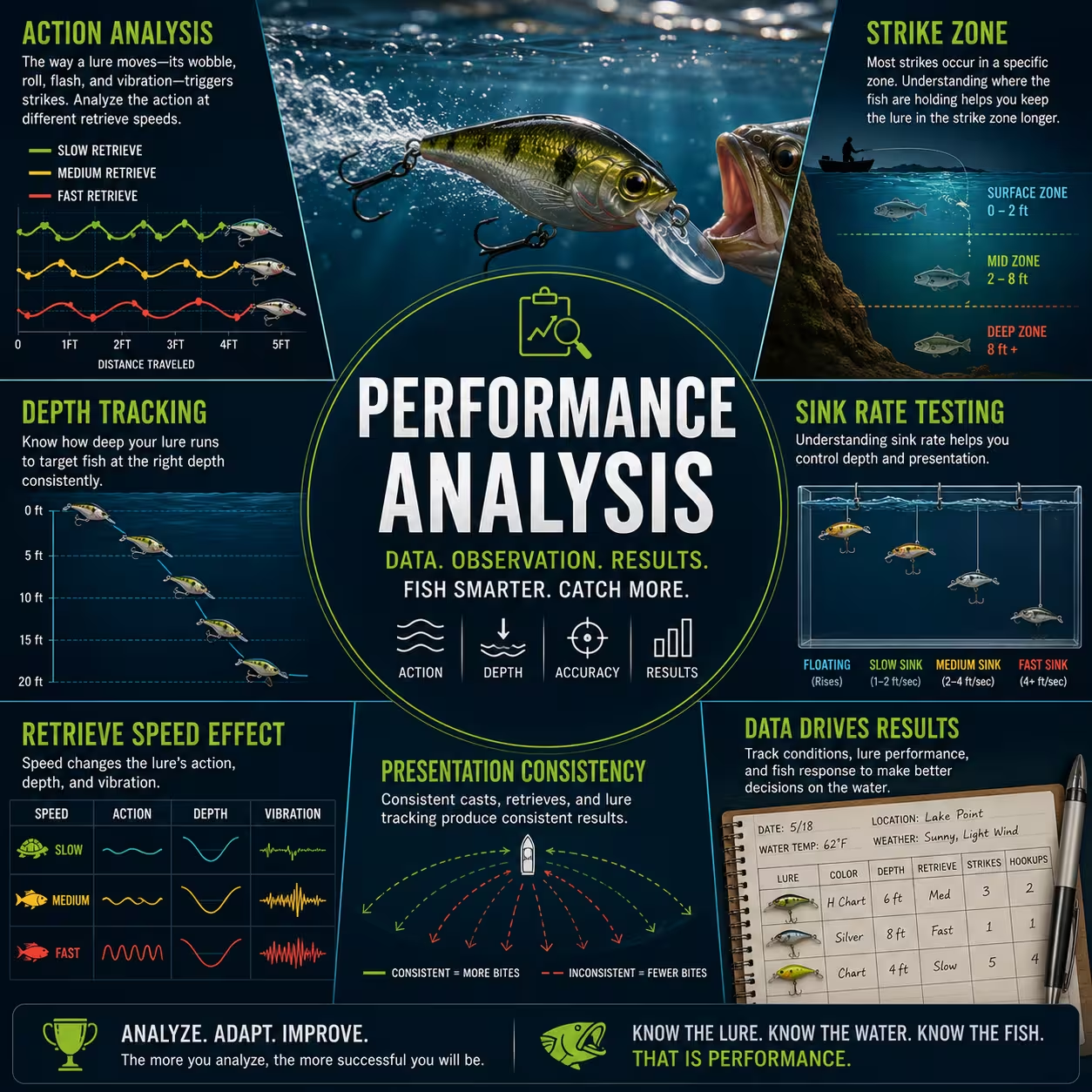
Performance Analysis
- lure action
- sink rate
- vibration
- tracking
- fish response
- hook-up efficiency
- durability testing
Applying Science to Better Fishing
Whenever possible, the information is translated into direct fishing application.
This includes understanding:
- why lures move the way they do
- how materials influence action
- what controls durability
- why fish respond differently to certain designs
- how engineering affects performance
- which design factors matter most on the water
The goal is to help anglers understand not only what a lure does — but why it does it.
Explore Lure Science & Engineering Topics
Whether you are learning the basics of fishing tackle, studying advanced lure design principles, building your own lures, or simply trying to understand why certain lures outperform others, understanding the science behind fishing tackle provides the foundation for better decisions on the water.
Select a topic below to begin exploring materials, engineering principles, manufacturing processes, and lure performance analysis.