
Materials Science
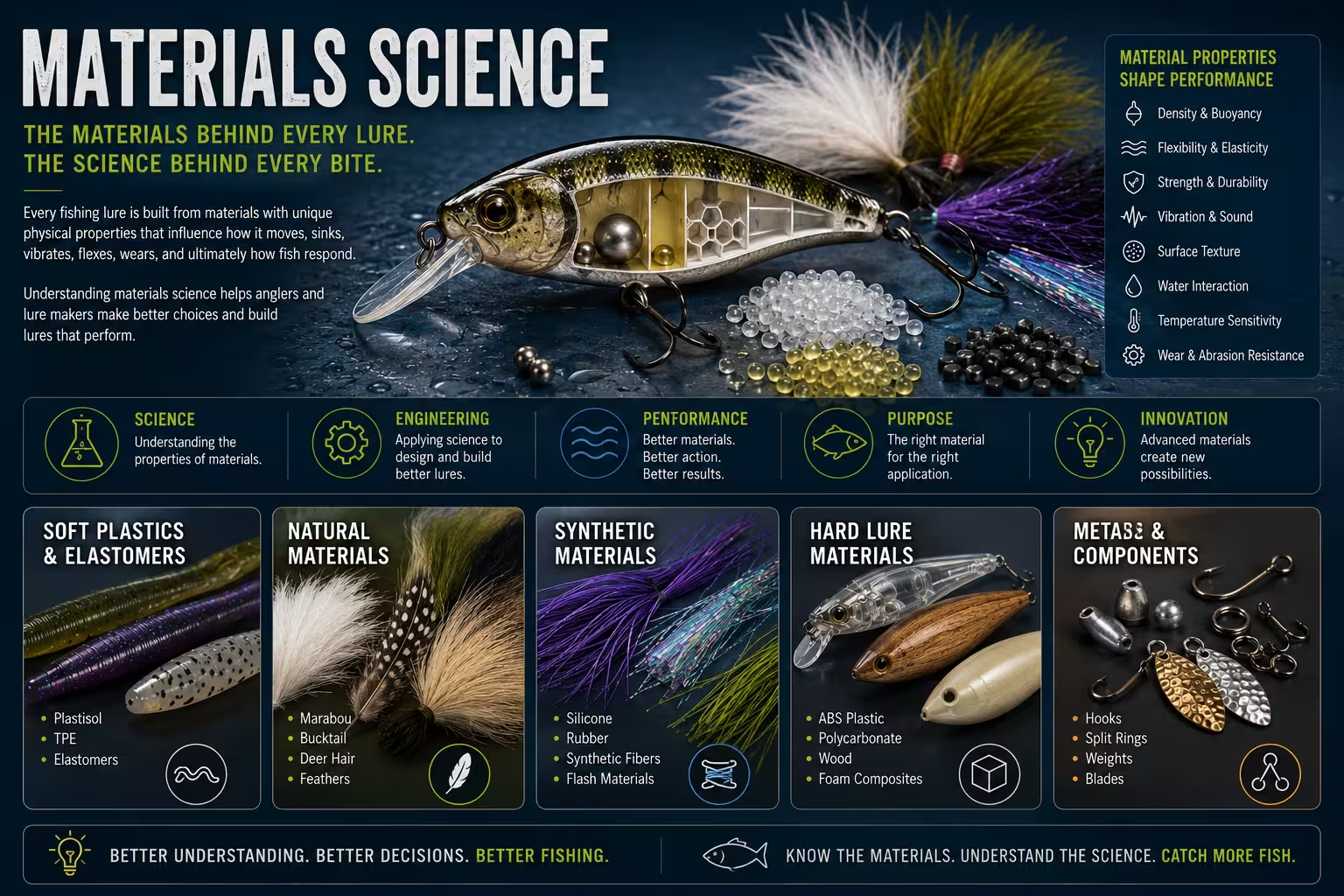
Understanding the materials used in fishing lures is one of the foundations of lure performance.
Every lure is built from materials that possess unique physical properties. Those properties influence how a lure moves, sinks, vibrates, flexes, wears, and ultimately how fish respond to it.
While anglers often focus on color, size, and presentation, the material itself frequently determines how a lure behaves underwater.
Understanding materials science helps explain why certain lures move differently, last longer, or perform better under specific fishing conditions.
Why Materials Matter
Every fishing material behaves differently.
Some materials are soft and flexible.
Some are rigid and durable.
Some absorb water.
Some float.
Some sink.
Some create subtle movement while others generate strong vibration and water displacement.
These differences influence:
- lure action
- buoyancy
- sink rate
- durability
- vibration
- fish response
- hook-up performance
Even small material changes can dramatically alter how a lure performs.
The Role of Materials in Lure Design
Materials are one of the primary tools lure designers use to create specific performance characteristics.
The same lure shape built from different materials can behave completely differently in the water.
Material selection influences:
- flexibility
- stiffness
- elasticity
- density
- buoyancy
- abrasion resistance
- durability
- vibration transmission
Understanding these characteristics helps explain why different lure categories exist and why certain materials excel in specific applications.
The Goal of Materials Science
The goal of this section is to explain how fishing materials influence real-world lure performance.
Rather than focusing solely on products, these articles explore the physical properties that govern how materials behave in fishing applications.
By understanding the science behind lure materials, anglers and lure makers can make better decisions about lure selection, design, and performance.
Explore Materials Science Topics
Select a material category below to begin exploring the science behind fishing lure materials.
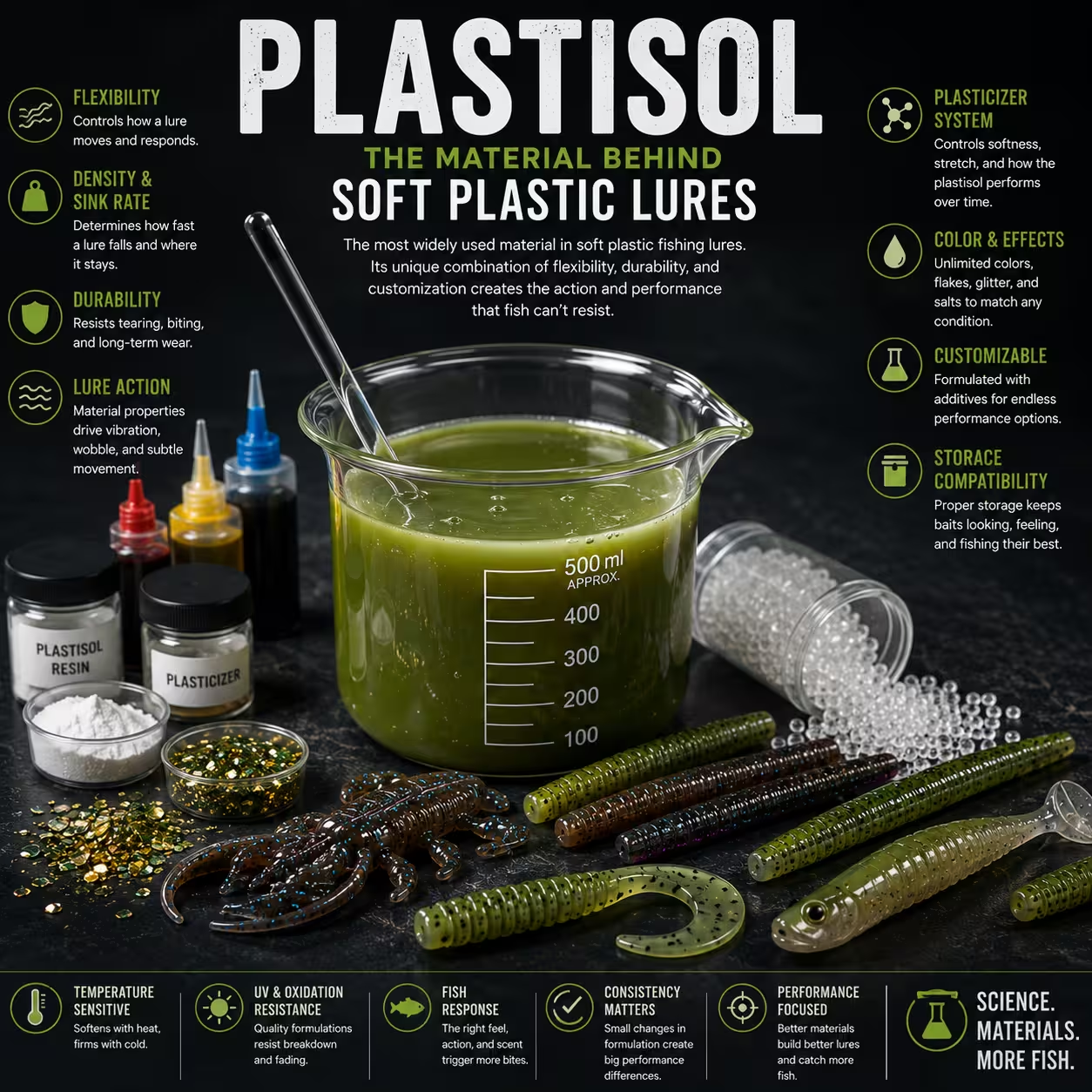
Plastisol
The most widely used material in modern soft plastic fishing lures. Plastisol influences lure action, flexibility, buoyancy, durability, sink rate, and overall fishing performance.
Lure Action
Flexibility & Bending
Density & Sink Rate
Durability Plasticizer
Migration Storage & Compatibility
Salt & Additives
Material Formulation