Synthetic Salmon Eggs vs Real Eggs: Which Works Better for Trout?
Salmon eggs have caught trout for generations. Their bright color, soft texture, and natural scent make them an easy meal for opportunistic fish. But natural eggs have real drawbacks — they’re fragile, messy, and often gone after a single cast or strike. Synthetic salmon eggs were built to fix that: they mimic the look and drift of the real thing while adding durability and consistency. Here’s how the two compare, and when each one earns a spot in your kit.
Why Trout Eat Salmon Eggs
Trout aren’t just insect feeders — they’re opportunists that grab easy, high-calorie food whenever it appears, and eggs check every box.
- High nutrition. Eggs are concentrated protein and energy, a valuable meal for little effort.
- Natural drift. In waters where fish spawn, loose eggs tumble downstream, and trout quickly learn to intercept them in current seams and pools.
- High visibility. Eggs stand out underwater, easy for trout to spot even in stained or turbulent flows.
Because eggs drift through the current the way insects and small prey do, they trigger the same feeding response.
Natural Salmon Eggs: Strengths and Limits
Natural eggs have been used for generations because they match real fish eggs in scent and texture. Their strengths are obvious — authentic scent and appearance, deadly during spawning periods, and a soft texture trout readily eat. But the limits are just as real: they’re fragile and often lost after one or two casts, they vary in size and color batch to batch, and they need refrigeration and careful storage. All of that eats into your fishing time.
Where Synthetic Eggs Pull Ahead
Modern synthetic eggs are engineered to solve the problems natural eggs create.
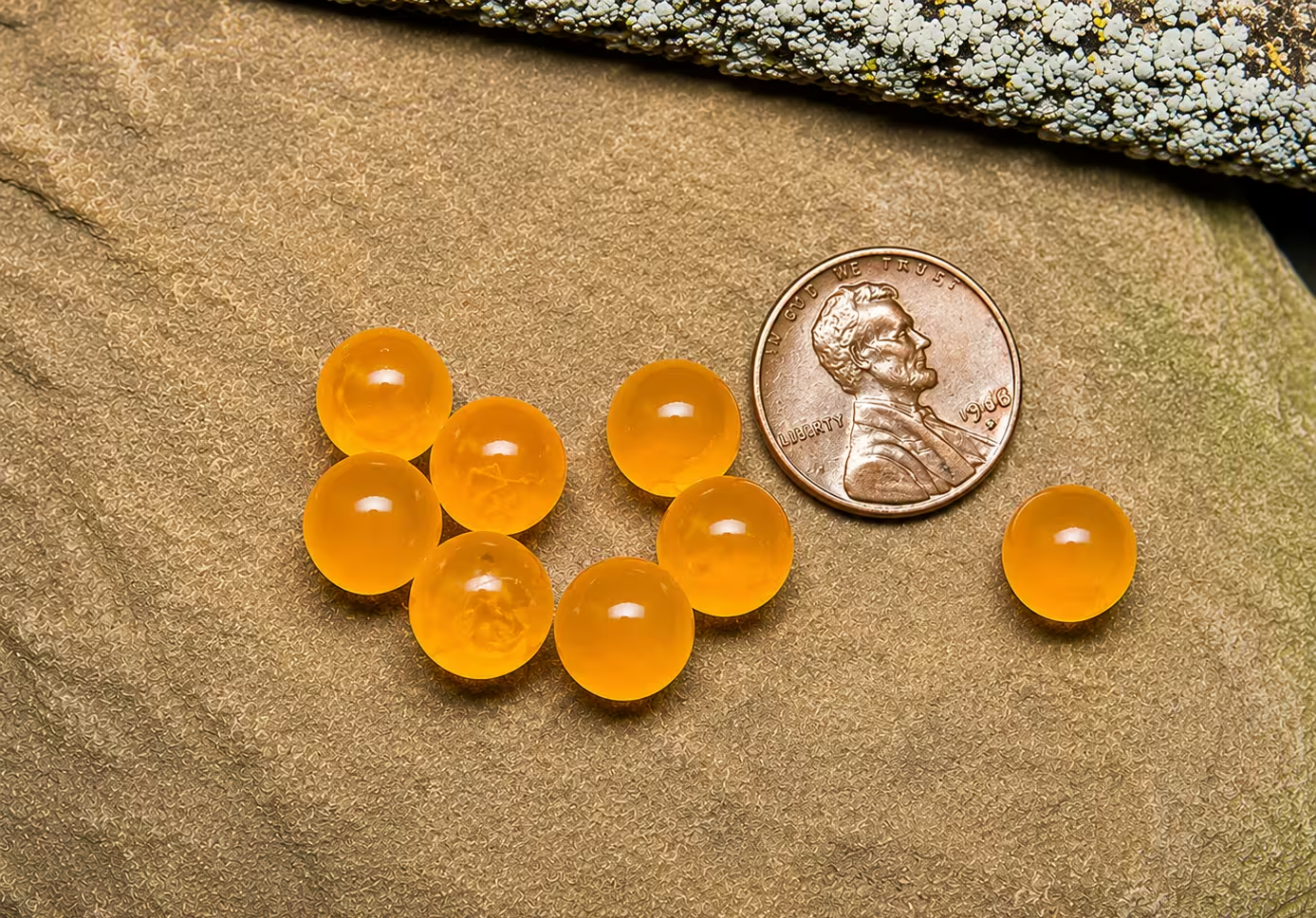
Durability. Where a natural egg breaks apart after a cast or two, a synthetic egg stays pinned through multiple casts and bites — less rebaiting, more fishing.
Consistency. Every synthetic egg is uniform in size, buoyancy, and color, which lets you fine-tune a presentation and repeat what’s working instead of fighting batch-to-batch variation.
Scent that lasts. Many synthetic eggs are infused with amino acids, oils, and attractants designed to mimic natural prey signals — and they release that scent far longer than a real egg holds its own.
Less mess, less waste, and they don’t rely on real fish eggs. Synthetic eggs skip the refrigeration and spoilage of natural bait entirely, and they let you fish egg patterns without using eggs harvested from fish. For anglers who care about keeping it clean and simple, that’s a practical win.
Long-term value. Because they last so much longer per egg, a single jar can cover a lot of trips, making them cost-effective for anyone who fishes often.
A Quick, Important Note on Regulations
Before you fish any egg bait, check your local rules. Many trout waters — especially fly-only, artificial-only, or catch-and-release stretches — restrict or prohibit natural bait, and some specifically limit scented or “bait-like” lures. Regulations vary by state and even by individual stream or trout park, so confirm what’s legal on the water you’re fishing before you tie one on. This is on you to verify; rules change and they’re not the same everywhere.
How to Rig Synthetic Salmon Eggs
Egg baits work best drifting naturally through the current. Three reliable presentations:
Single egg drift. Hook one egg on a small hook and drift it along the bottom with split shot. This imitates loose eggs tumbling downstream during spawning periods.
Egg under a float. Suspending an egg below a float lets you control drift depth in pools and slower runs — especially effective in stocked trout water.
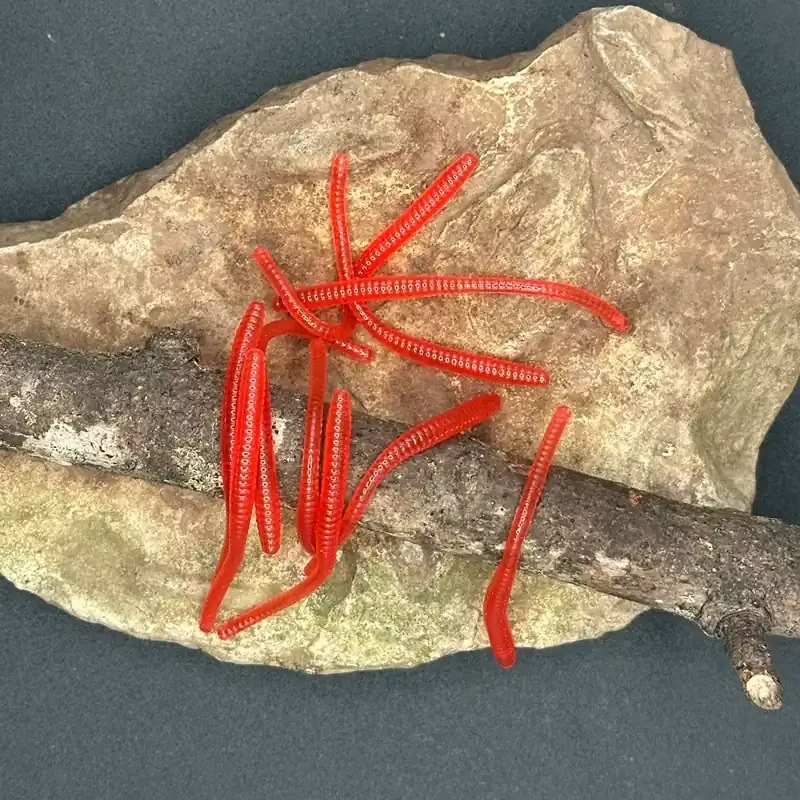
Egg-and-worm combo. Pairing a synthetic egg with a small piece of worm combines visual draw with scent, which can tip cautious, inspecting trout into biting.
Best Conditions for Egg Baits
Egg patterns shine in a few specific situations: during spawning seasons, when egg drift is natural and expected; in recently stocked water, where fresh trout hammer bright patterns; in cold water, when insects are inactive and an easy meal stands out; and in low-visibility water, where a bright egg is easy for trout to find.
Synthetic vs Natural: The Comparison
| Feature | Natural Salmon Eggs | Synthetic Salmon Eggs |
| Durability | Soft, fragile; often lost in 1–2 casts | Stays on the hook through multiple casts |
| Consistency | Size, color, scent vary | Uniform size, buoyancy, color |
| Scent | Natural, fades quickly | Often infused with long-lasting attractants |
| Storage | Needs refrigeration | Shelf-stable |
| Confidence | Traditional but inconsistent | Reliable and repeatable |
Pairing Eggs With Other Trout Lures
Egg baits work on their own, but they pair well with other presentations too. Our guide Best Soft Plastics for Trout covers how soft plastics complement egg baits across different water conditions, so you can adapt as fish behavior changes through the season.
Frequently Asked Questions
Do synthetic salmon eggs really work for trout?
Yes. They imitate the appearance and drift of natural eggs, which trout instinctively recognize as food.
Are synthetic eggs better than real eggs?
Both work. Synthetic eggs win on durability and consistency; natural eggs offer authentic scent and texture. Many anglers carry both.
What color eggs work best for trout?
Productive colors include orange, peach, chartreuse, and pink. Bright shades help trout locate the bait in moving or stained water.
How do you rig synthetic salmon eggs?
Usually on small hooks, drifted along the bottom with split shot or suspended under a float.
When should you fish egg baits?
Especially during spawning seasons, in stocked trout water, and in cold or low-visibility conditions — where local regulations allow them.
Final Thoughts
Salmon eggs earned their place in trout fishing because they imitate a natural, high-energy food trout instinctively recognize. Synthetic versions carry that forward with better durability, consistency, and convenience. For anglers who want dependable performance and more time with a line in the water — on waters where bait is legal — synthetic salmon eggs are a practical, effective choice.
About Family Fishin
Family Fishin is a family-owned fishing tackle company dedicated to designing, testing, and producing high-quality fishing lures — inspired by generations of fishing tradition and driven by a passion for innovation. Every product is developed with one goal in mind: helping anglers spend more time doing what they love, catching fish and creating memories on the water.
Tags: #synthetic salmon eggs #trout bait #egg baits #trout fishing #stocked trout