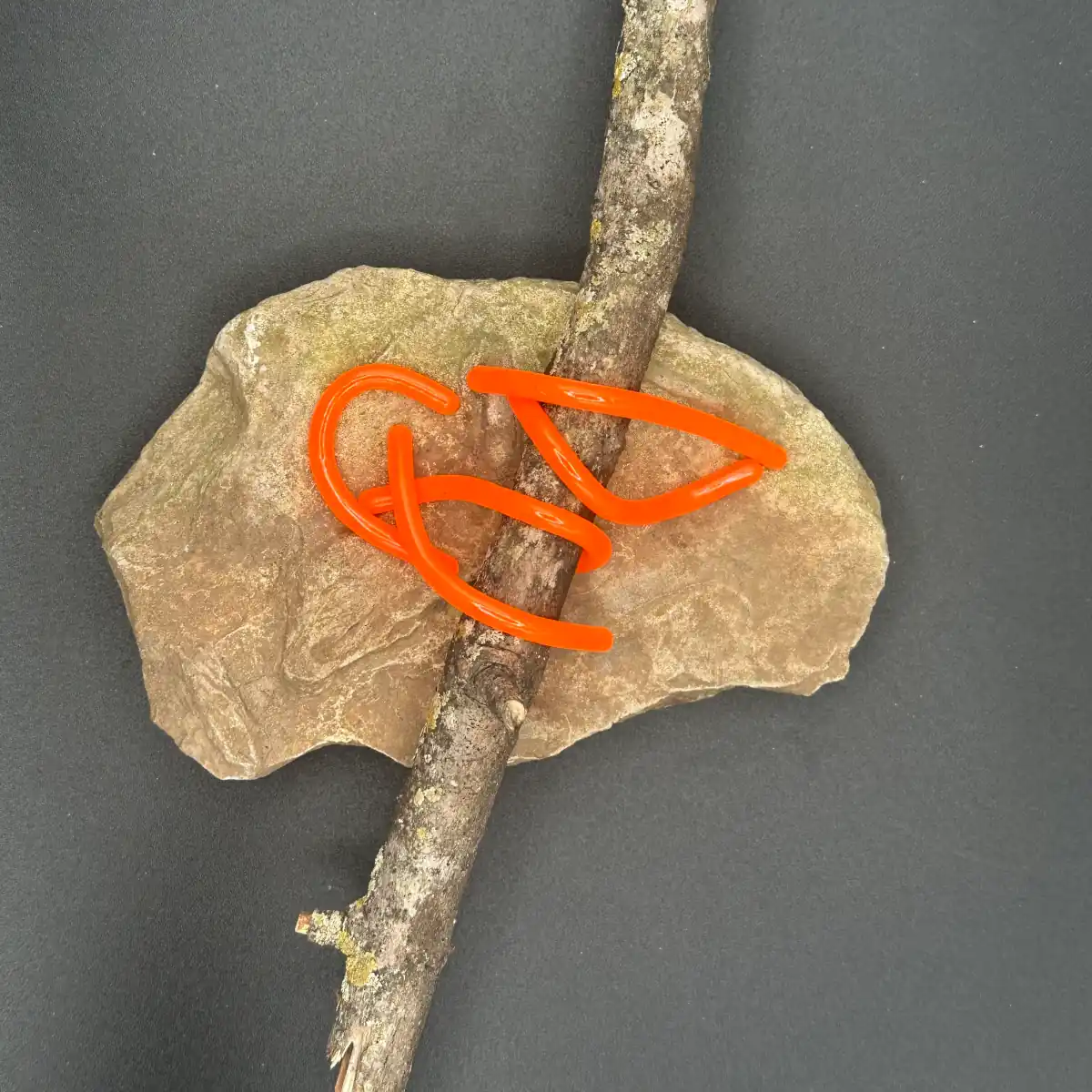
2.95″ Round Trout Worm
Trim to fit. Drift to catch.More body. More silhouette. More fish.
$1.59
Why It Works
More Silhouette, More Strikes
In stained or off-color water, a larger diameter profile gives fish something to find. The round worm pushes more water and shows a bigger target when visibility is low.
Stops Short Strikes
When fish are nipping the tail and missing the hook, a thicker-bodied worm fills the mouth better. Less missed fish, more hookups on the same presentation.
Trim to Match Your Hook
The 2.95 inch length gives you room to cut. Trim the tail to match a smaller hook or dial in the fall rate — one bait that adapts to what the fish want that day.
Built for the Drift
Slow moderate current is where the round worm earns its keep. The larger body drifts naturally without spinning or twisting, staying in the strike zone longer on a dead-drift presentation.
Best Conditions
Color Selection Guide
Specs
| Size | 2.95" |
|---|---|
| Pack sizes | 5 pack |
The round body falls steadily and tracks clean when rigged straight.
Built for controlled, finesse presentations — not speed.
Rigging Notes
• Thread it perfectly straight
• Trim to match your hook gap
• Use the lightest weight that maintains bottom contact
• Let it drift — avoid aggressive retrieves
Who This Worm Is For
• Anglers fishing stained or slightly off-color water
• Trout that need a stronger silhouette to commit
• Situations where profile size matters more than action
• Fishermen who prefer tuning bait length instead of switching lures
Who It’s Not For
• Ultra-clear water finesse with micro profiles
• Fast, aggressive retrieves
• Anglers looking for high vibration or exaggerated action
This is a profile adjustment tool — not a search bait.
Considering Other Profiles?
• For a thinner, more consistent all-around producer, see the 2.38" Ribbed Trout Worm.
• For a compact, subtle option when fish are feeding lightly, try the Wax Worm.
Choosing the Best Trout Worm Colors for This 2.95" Round Worm
The 2.95" round trout worm offers a slightly fuller profile and stronger silhouette than shorter compact worms. Because of that added presence, color selection plays an even bigger role in pressured or changing water conditions.
The same worm can perform very differently depending on season, water clarity, and light penetration.
If you’re unsure which shade to choose, read our complete guide on best trout worm colors for each season and water condition.
In that guide you’ll learn:
• When bold colors like orange and chartreuse trigger reaction strikes
• When natural tones outperform bright colors in clear water
• How depth and light angle affect color visibility
• Which shades hold up best in stained or muddy conditions
Read the full guide on best trout worm colors for each season