Understanding hatchery conditioning, feeding behavior,
environmental adaptation, pressure sensitivity,
and fishing application in stocked rainbow trout systems.
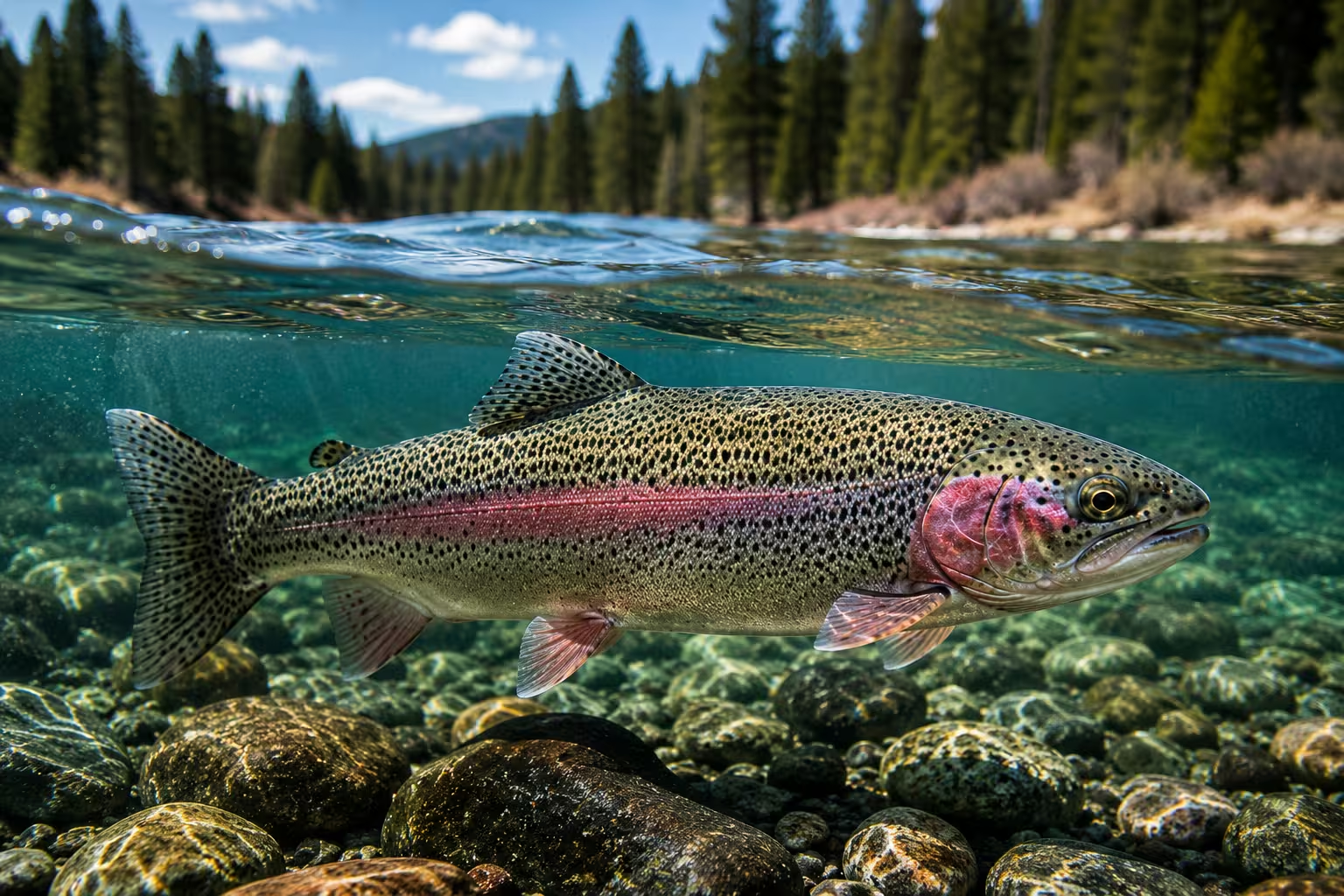
Explore detailed stocked rainbow trout articles covering feeding behavior, hatchery conditioning, environmental adaptation, post-stocking movement, fishing pressure, scent response, and practical trout fishing application.
Click any article title below to read the full guide.
Stocked Trout Feeding Behavior After Hatchery Conditioning
Part2 – Stocked trout feeding behavior is heavily influenced by hatchery conditioning, pellet recognition, scent association, and learned feeding patterns developed before release. 1. The Core Constraint: Trout Only Recognize What They’ve Been Taught This article is part of our complete breakdown of stocked trout behavior—if you haven’t read the full system yet, start with…
Stocked Trout Fishing Tips for the First 72 Hours
Part 1 — Stocked Trout Are Not Wild Fish Understanding the First 72 Hours After Stocking Stocked trout fishing tips become much more effective when you understand how fish behave immediately after stocking… How to Catch Stocked Trout (First 72 Hours) Stocked trout fishing tips during the first 72 hours are not random—it follows predictable…
Stocked Trout Fishing Tips: Understanding the First 72 Hours After Stocking
Catching stocked trout in the first 72 hours follows predictable patterns. A complete system covering location, depth, movement vs stillness, the transition phase, and behavior timeline for each stage after stocking.