Understanding Fishing Techniques
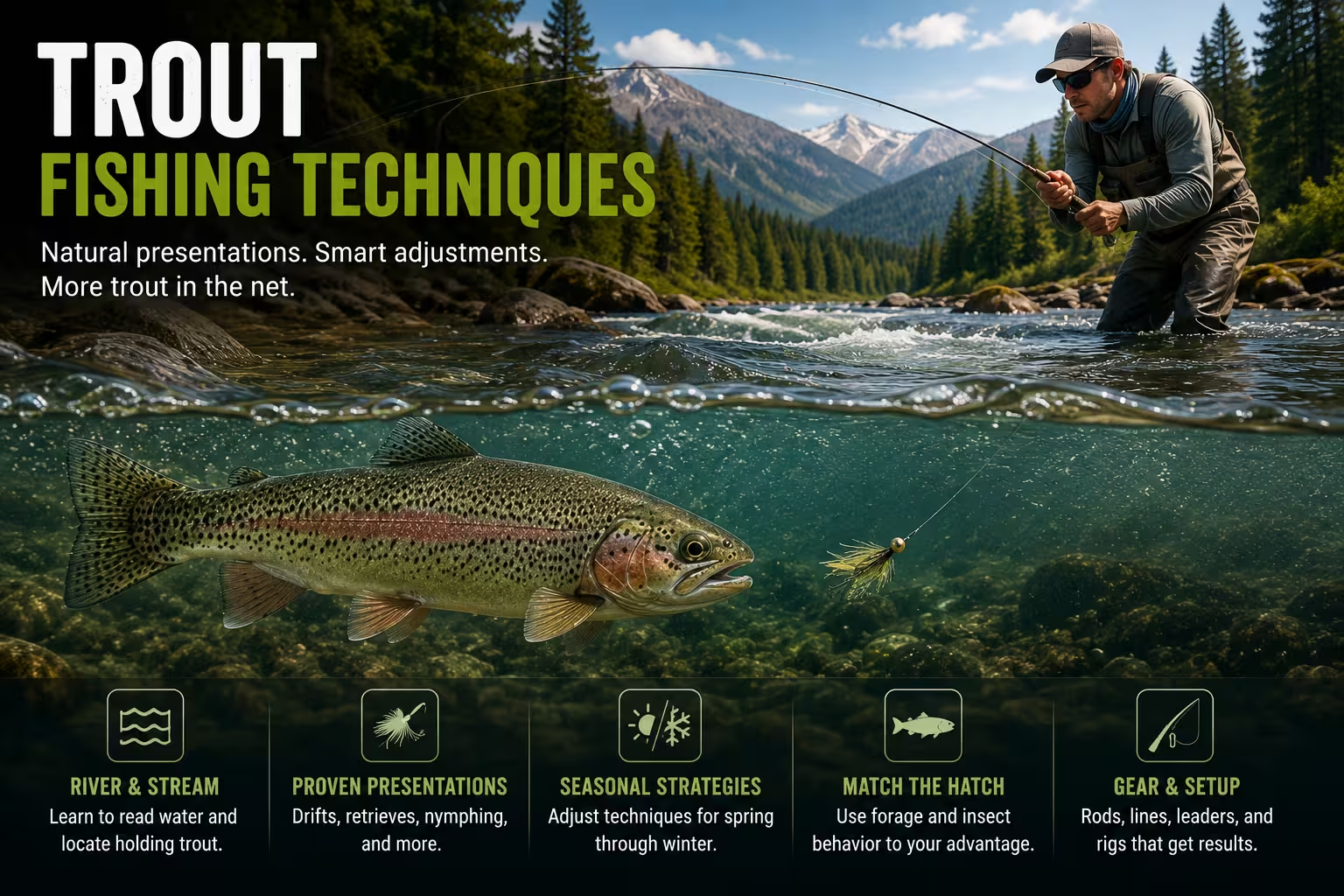
Fishing techniques are the practical methods anglers use to present a lure, bait, or fly to fish.
While fish behavior explains why fish act the way they do, fishing techniques explain how anglers can use that information to consistently trigger strikes.
Every cast, retrieve, drift, jigging motion, depth adjustment, and presentation strategy is designed to solve a single problem:
How do you present a lure naturally enough to convince a fish to eat it?
Understanding fishing techniques transforms fishing from random casting into a deliberate system of presentation, observation, adjustment, and execution.
Many anglers focus heavily on lure selection while overlooking presentation. In reality, the correct technique often matters more than the lure itself.
Why Fishing Techniques Matter
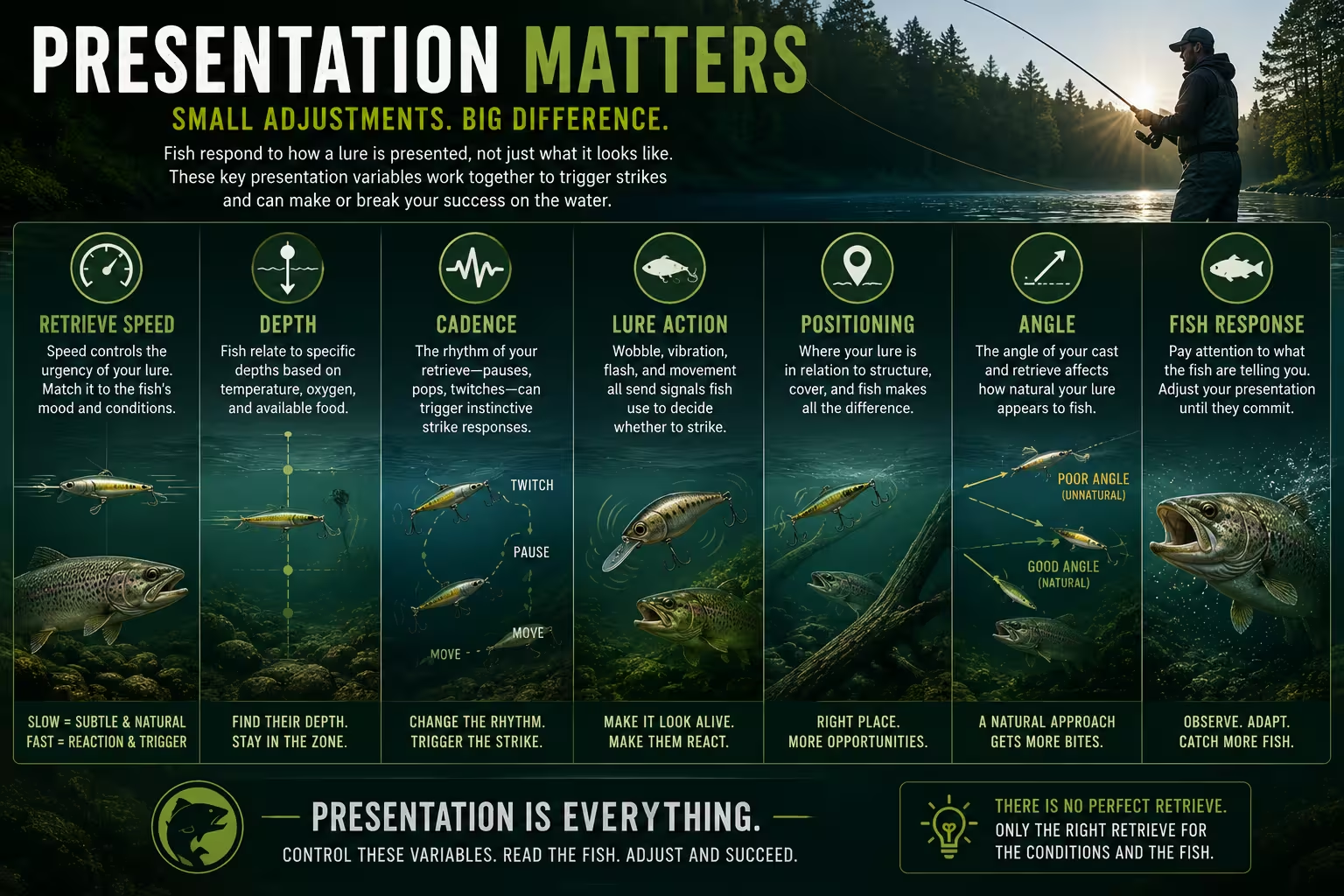
Fish do not simply strike objects.
They respond to:
- movement
- speed
- depth
- direction
- profile
- positioning
- timing
- vulnerability
The same lure can produce dramatically different results depending on how it is presented.
Factors such as:
- retrieve speed
- presentation angle
- lure depth
- current speed
- rod movement
- pause duration
- cadence
- structure position
- fish activity level
all influence how fish react.
Understanding these relationships is one of the foundations of successful fishing.
Major Categories of Fishing Techniques
Fishing techniques generally fall into several major categories.
Casting & Retrieving
Techniques that rely on lure movement through the water column.
Examples include:
- steady retrieve
- stop-and-go retrieve
- twitch retrieve
- burn retrieve
- wake retrieve
- jerkbait presentations
Bottom Contact Techniques
Presentations designed to maintain contact with structure or the lake bottom.
Examples include:
- jigging
- dragging
- hopping
- crawling
- dead sticking
- bottom bouncing
Drift Fishing
Methods that allow current or natural water movement to control presentation.
Examples include:
- float fishing
- nymph drifting
- centerpin fishing
- indicator fishing
- natural current drifts
Vertical Presentations
Techniques designed to target fish directly beneath the angler.
Examples include:
- vertical jigging
- ice fishing
- sonar-assisted presentations
- suspended presentations
Surface Presentations
Methods that target feeding fish near or on the surface.
Examples include:
- topwater retrieves
- fly presentations
- wake baits
- skating insects
- poppers
Environmental Factors That Influence Technique Selection
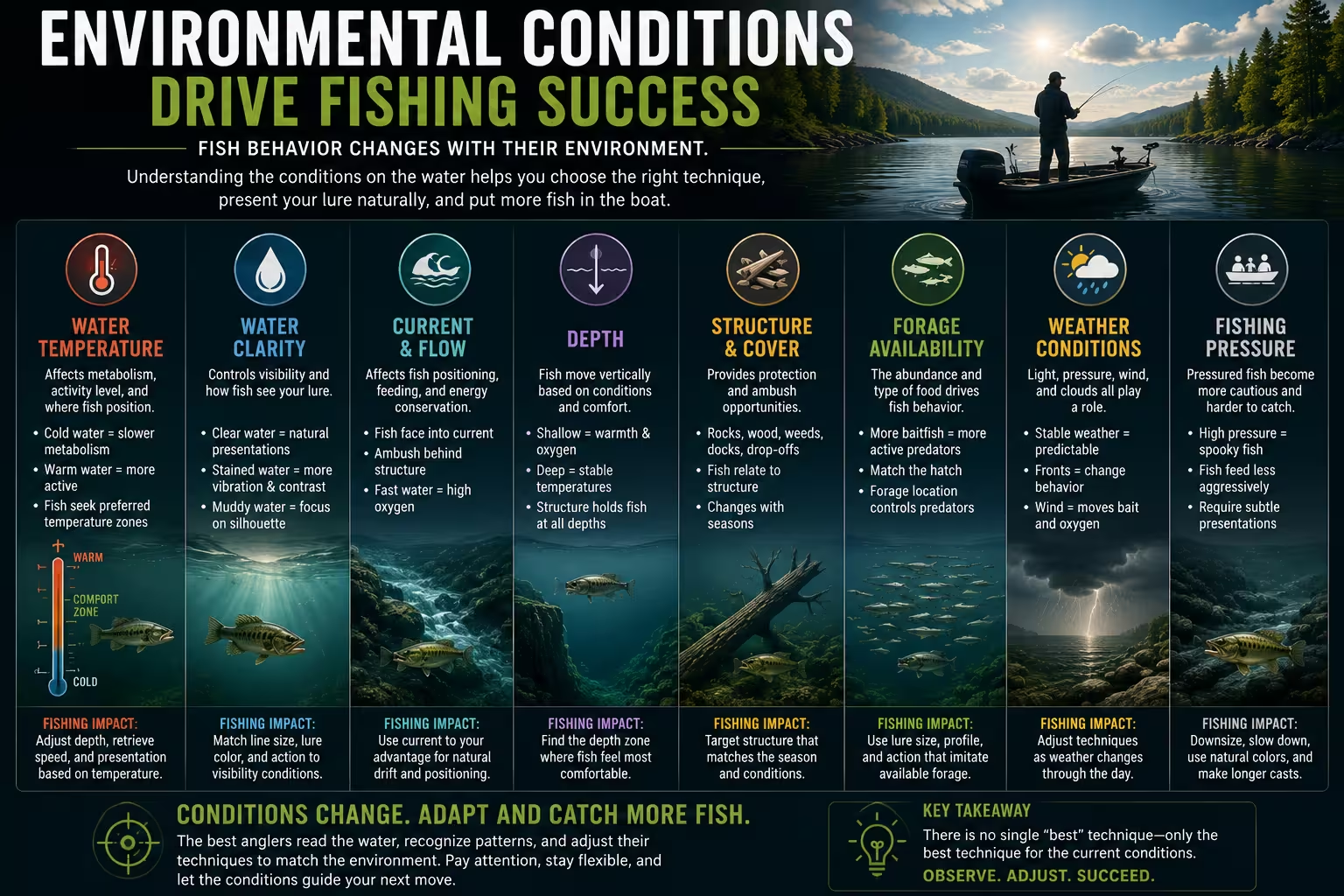
The most effective technique depends on environmental conditions.
Key variables include:
- water temperature
- water clarity
- current speed
- depth
- oxygen levels
- forage availability
- weather conditions
- fishing pressure
- seasonal transitions
A presentation that works during summer may completely fail during winter.
Likewise, techniques that excel in rivers often differ from those used in reservoirs, ponds, or lakes.
Species-Specific Technique Differences
Different fish species respond to different presentations.
For example:
- trout often favor natural drifts and finesse presentations
- bass frequently respond to reaction techniques and structure-oriented presentations
- crappie often suspend and require precise depth control
- walleye commonly respond to slower presentations near bottom
- panfish often react to subtle movement and small profiles
Understanding species-specific behavior helps anglers select more effective techniques.
The Goal of Fishing Techniques
The goal of Fishing Techniques is to build one of the most practical and understandable fishing presentation resources available.
This project was created to explain not only how various techniques work, but why they work under specific conditions.
The objective is not simply to list fishing methods.
The objective is to connect fish behavior, environmental conditions, and lure presentation into practical strategies anglers can apply on the water.
What Each Technique Profile Covers
Each technique guide may include:
Technique Fundamentals
- purpose
- target species
- ideal conditions
- required equipment
- presentation goals
Execution
- rod position
- retrieve speed
- cadence
- depth control
- common adjustments
Environmental Application
- seasonal effectiveness
- water clarity considerations
- current considerations
- structure considerations
- fishing pressure considerations
Common Mistakes
- incorrect speed
- poor depth control
- overworking the lure
- improper equipment selection
- positioning errors
Advanced Strategy
- situational modifications
- combining techniques
- species-specific adaptations
- troubleshooting difficult conditions
Applying Fishing Techniques on the Water
Whenever possible, information is translated into direct fishing application.
This includes understanding:
- when to speed up or slow down
- where fish are positioned
- how conditions affect presentation
- why fish reject certain retrieves
- which techniques fit specific environments
- how to make real-time adjustments
The goal is to help anglers understand not only how to fish a technique — but when and why to use it.
Explore Fishing Techniques
Whether you are learning basic retrieval methods or studying advanced presentation systems, understanding fishing techniques provides the foundation for consistent fishing success.
Select a category below to begin exploring individual techniques, presentations, and strategy guides.