Small Baits & Finesse Fishing
Small baits and finesse fishing are not limited to one species, one season, or one style of fishing. Whether targeting pressured trout in clear water, suspended crappie under the ice, cautious bluegill during cold fronts, or inactive fish that refuse larger presentations, smaller profiles and subtle movement often produce bites when aggressive tactics stop working.
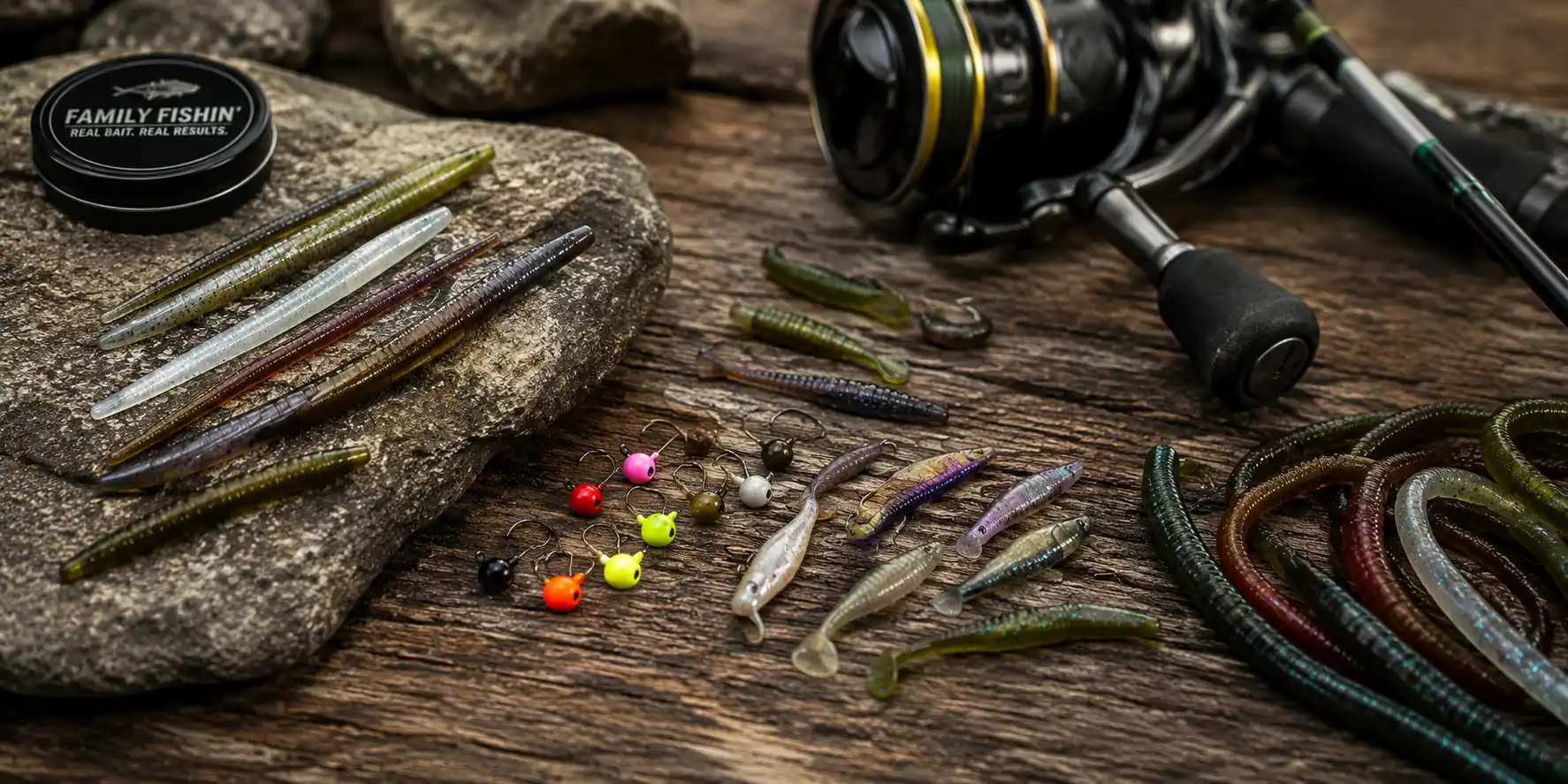
In many finesse situations, success comes from control more than speed. Fall rate, lure profile, depth, line tension, cadence, and subtle movement can all change how fish react to a bait. Lightweight jig heads, small plastics, ultralight tackle, and controlled presentations allow anglers to keep a lure in the strike zone longer and present something fish can inspect without feeling threatened.
This section focuses on practical finesse fishing approaches built around small-profile tackle, ultralight presentations, and real-world fishing conditions where subtle movement matters more than force or size. The goal is not simply to recommend tackle, but to better understand how fish respond to pressure, visibility, water temperature, movement, and presentation so anglers can make better decisions on the water.
Material Matters in Finesse Fishing
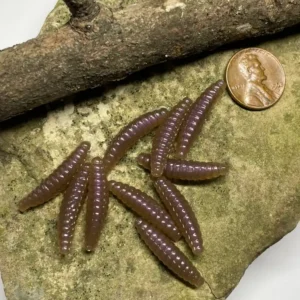
In finesse fishing, the material of a bait can change how fish react just as much as the shape or color. Softness, buoyancy, flexibility, density, and movement all affect how naturally a lure behaves in the water. Small-profile baits are often fished slower and with more control than larger reaction-style lures, which means fish usually have more time to inspect the presentation before committing.
Softer plastics often create more subtle movement with less rod input, allowing the bait to respond naturally to current, line tension, light jig movement, or small changes in cadence. In cold water or pressured conditions, this smaller movement can become more important than aggressive action. Fish that refuse larger or faster-moving presentations will often still react to a bait that appears vulnerable, neutral, or easy to eat.
Different materials also affect sink rate, durability, stretch, buoyancy, and how a lure behaves on pauses or slow falls. Some finesse plastics glide naturally through the water column, while others stay suspended longer or maintain subtle tail movement with almost no forward motion. Understanding these differences helps anglers choose presentations that match fish behavior instead of relying only on lure size or color.
In many situations, finesse fishing is less about forcing a reaction strike and more about creating believable movement under realistic fishing conditions. Material selection becomes part of the overall presentation, especially when targeting pressured fish, cold-water species, suspended fish, or situations where lure control matters more than speed or aggression.
Pressure Changes Fish Behavior
Fishing pressure changes how fish feed, move, and react to presentations. In heavily fished lakes, stocked ponds, community waters, and clear-water environments, fish often become conditioned to repeated lure movement, aggressive retrieves, heavy vibration, and unnatural speed. Even actively feeding fish may follow a bait without fully committing if the presentation feels too large, too fast, or too aggressive for the conditions.
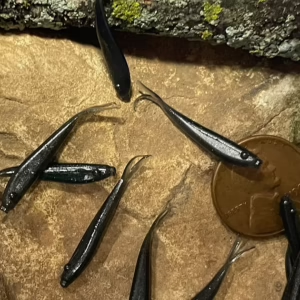
Small-profile finesse baits help reduce that resistance by presenting something that appears easier to inspect and less threatening. Instead of forcing a reaction strike, finesse fishing often works by creating hesitation-free opportunities where fish can approach a lure naturally without committing to a high-energy chase. This becomes especially important during cold fronts, post-frontal conditions, bright skies, clear water, or periods of heavy angling pressure when fish become cautious and selective.
Pressured fish also tend to respond differently to movement. Sudden rod snaps, aggressive hopping, and fast retrieves can push fish away in situations where subtle movement or controlled drift keeps the bait believable. In many finesse situations, slowing down becomes more important than changing colors repeatedly. A slight twitch, controlled fall, or natural suspension often produces more consistent bites than constant movement.
This is one reason ultralight tackle and small finesse plastics remain effective across many species and fishing styles. Whether targeting bluegill, trout, crappie, perch, or other pressured fish, smaller presentations allow anglers to maintain better lure control while presenting something fish can commit to without excessive energy or suspicion.
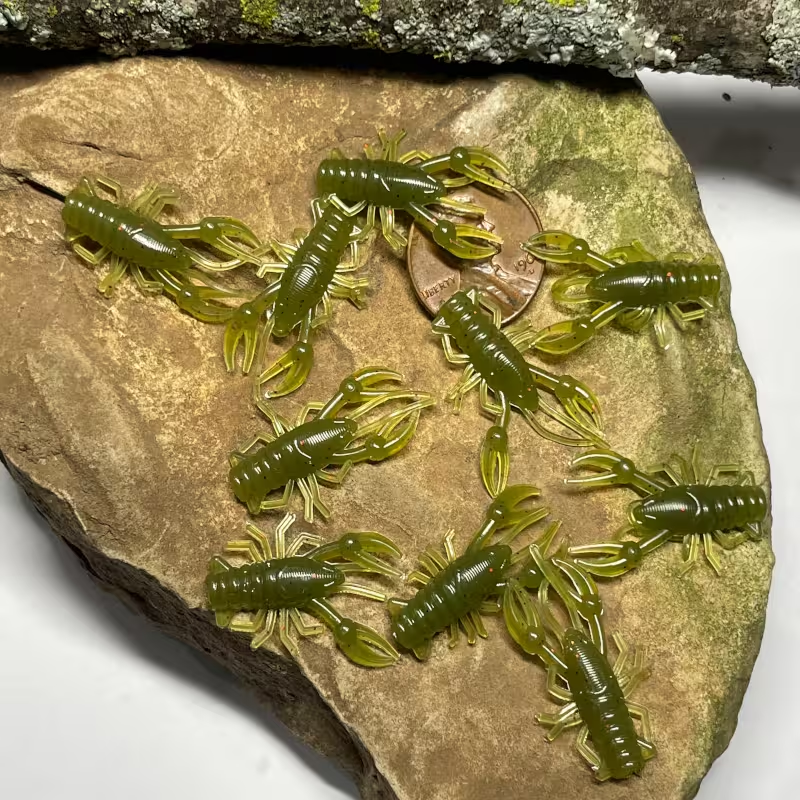
Lure Control and Finesse Fishing
One of the biggest differences between reaction fishing and finesse fishing is lure control. In many finesse situations, success comes from keeping a small bait moving naturally while maintaining precise depth, speed, and movement throughout the presentation. Fish that ignore aggressive retrieves will often still react to subtle movement when a lure stays in the strike zone long enough to appear vulnerable and believable.
Small baits and finesse fishing techniques work especially well when fish become suspended, inactive, pressured, or unwilling to chase fast-moving presentations. Instead of covering water quickly, finesse approaches focus on controlled movement, slower fall rates, natural drift, and subtle changes in cadence that allow fish more time to inspect the lure before committing.
Line size, jig weight, rod action, and bait material all affect lure control. A lightweight jig paired with soft finesse plastics can create natural movement with very little rod input, while heavier setups often overpower small-profile presentations. Even slight differences in line tension or retrieve speed can completely change how a finesse bait behaves underwater.
In clear water, cold conditions, or heavily pressured fisheries, anglers often get more consistent results by slowing down and focusing on presentation control instead of aggressive action. Maintaining natural movement and keeping the bait in front of fish longer is often more important than constantly changing colors or increasing lure size.